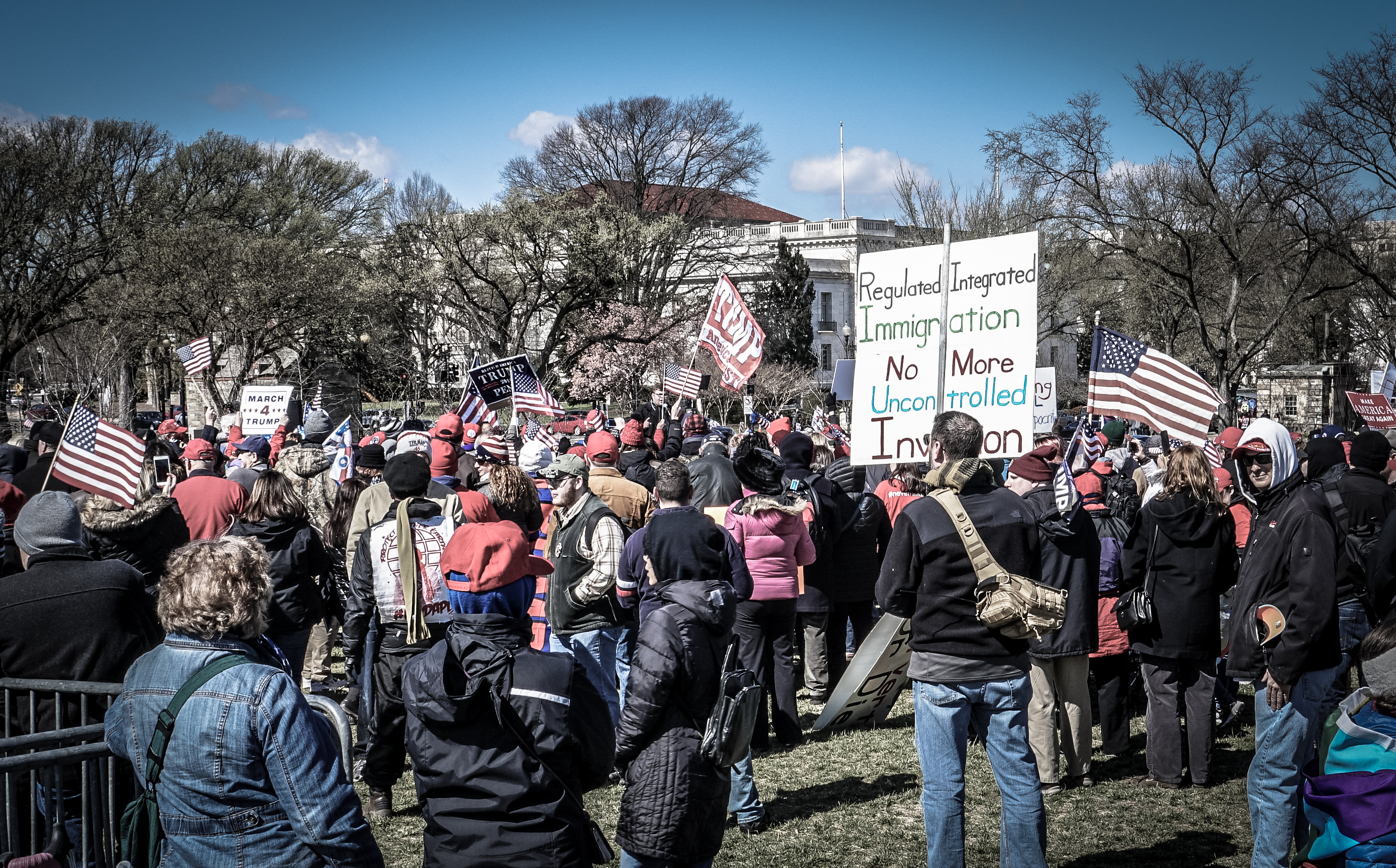
Former supporters of former President Donald Trump have formed a nonprofit organization called Leaving MAGA to help others exit the movement [1].
The initiative reflects a growing trend of disillusionment among a segment of the conservative base. By providing a structured path out, the group aims to mitigate the social and emotional isolation often experienced by those who break away from highly polarized political identities.
Rich Logis, a former MAGA pundit, leads the organization [1]. The group said the experience of being within the movement is cult-like and emotionally painful [1, 2]. According to those who have left, the movement demands an all-consuming loyalty that can lead to significant personal costs [3].
Many members said the movement's dynamics caused severe strain on their families [3]. This interpersonal conflict often serves as a catalyst for departure, as individuals weigh their political allegiances against their private relationships [3].
Recent reporting on the group's activities appeared in a USA Today article published June 25, 2026 [2]. The organization seeks to provide a support system for those who feel they were deceived or trapped by the movement's rhetoric [1].
In recent interviews, the group's members discussed the timing of their departures in the context of national milestones, including the 250th anniversary of the U.S. [1]. They said the process of leaving is a necessary step to reclaim their individual identities from a collective political brand [1].
The nonprofit focuses on the psychological transition of leaving a high-pressure social environment. By sharing their stories, the founders hope to normalize the act of changing one's political alignment in an era of deep national division [1, 2].
“The group said the experience of being within the movement is cult-like and emotionally painful.”
The formation of Leaving MAGA suggests that the psychological bond between leaders and followers in modern political movements is becoming as significant as the policy positions themselves. When political identity is fused with social and familial belonging, exiting that identity requires more than a change of opinion; it requires a recovery process similar to leaving a high-control group. This development indicates a shift toward treating political polarization as a matter of behavioral health and social psychology.


