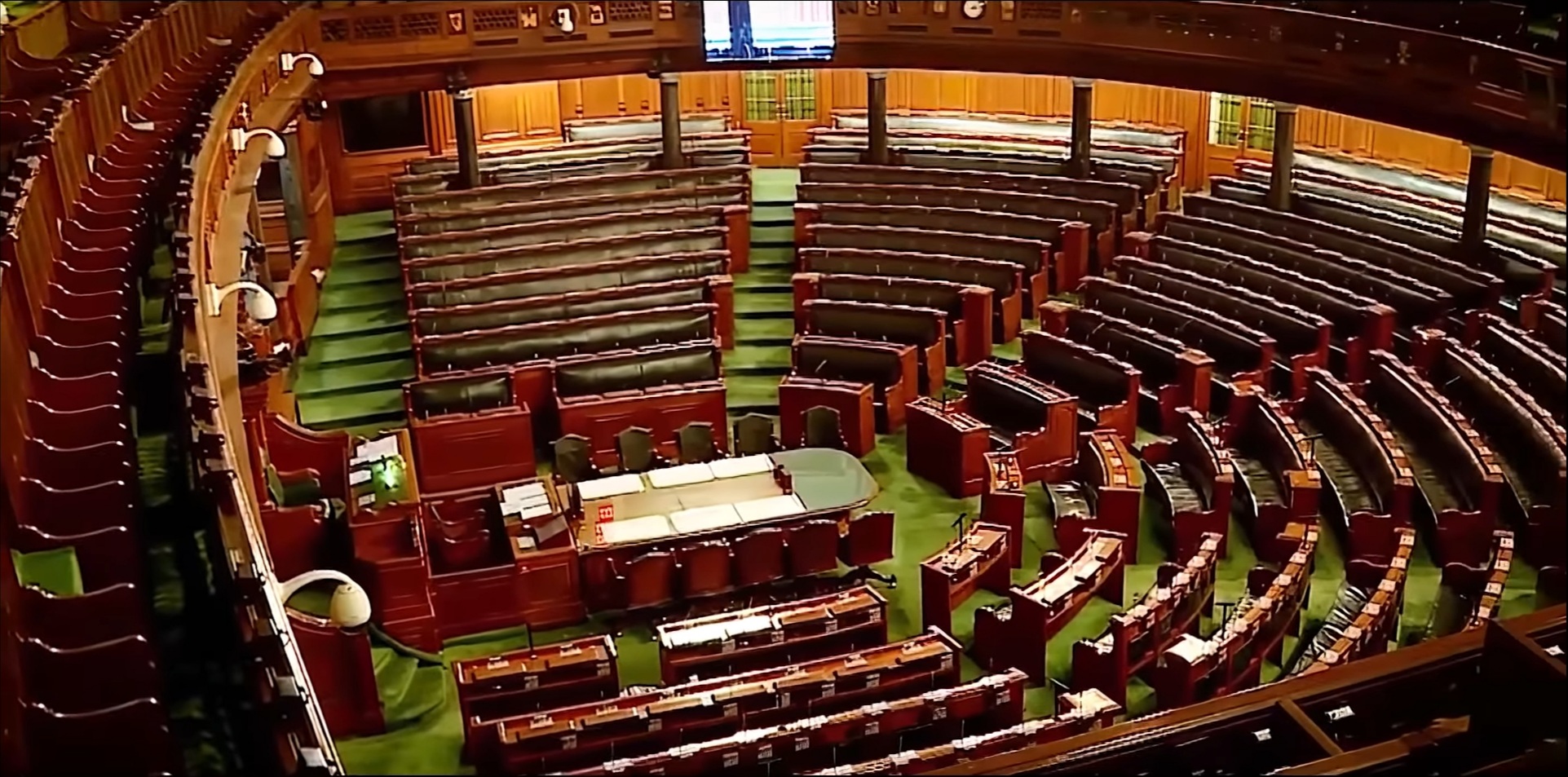
The Lebanese Parliament approved a proposal law on Wednesday granting a general amnesty and reducing prison sentences for some inmates [1, 2, 3].
This legislative move is intended to alleviate severe prison overcrowding and help resolve a long-standing political stalemate within the country [3].
This marks the first general amnesty law passed in Lebanon since the 1991 amnesty [3]. The previous measure was enacted 35 years ago to address crimes committed during the Lebanese Civil War [3].
The new law affects thousands of detainees and convicted persons [3]. By reducing the length of certain sentences, the government hopes to manage the capacity of the national prison system, a system that proponents say has reached a breaking point.
However, the decision has sparked significant debate in Beirut. Critics of the law said it offers no genuine reconciliation or accountability for those who committed crimes [3]. They argue that granting amnesty without a formal truth or justice process ignores the grievances of victims.
While some reports indicate the law was passed Wednesday [1, 2, 3], other accounts suggest that parliamentary debates had been ongoing for three weeks without a final text adopted. The majority of primary reporting confirms the approval of the measure in the parliament building in Beirut [1, 2, 3].
“The first general amnesty law since the 1991 amnesty”
The passage of this amnesty law reflects a prioritization of administrative relief—specifically the crisis of prison overcrowding—over judicial accountability. By mirroring the 1991 amnesty, the Lebanese government is utilizing a historical precedent to stabilize current internal pressures, though doing so risks alienating those seeking legal redress for political or civil crimes.