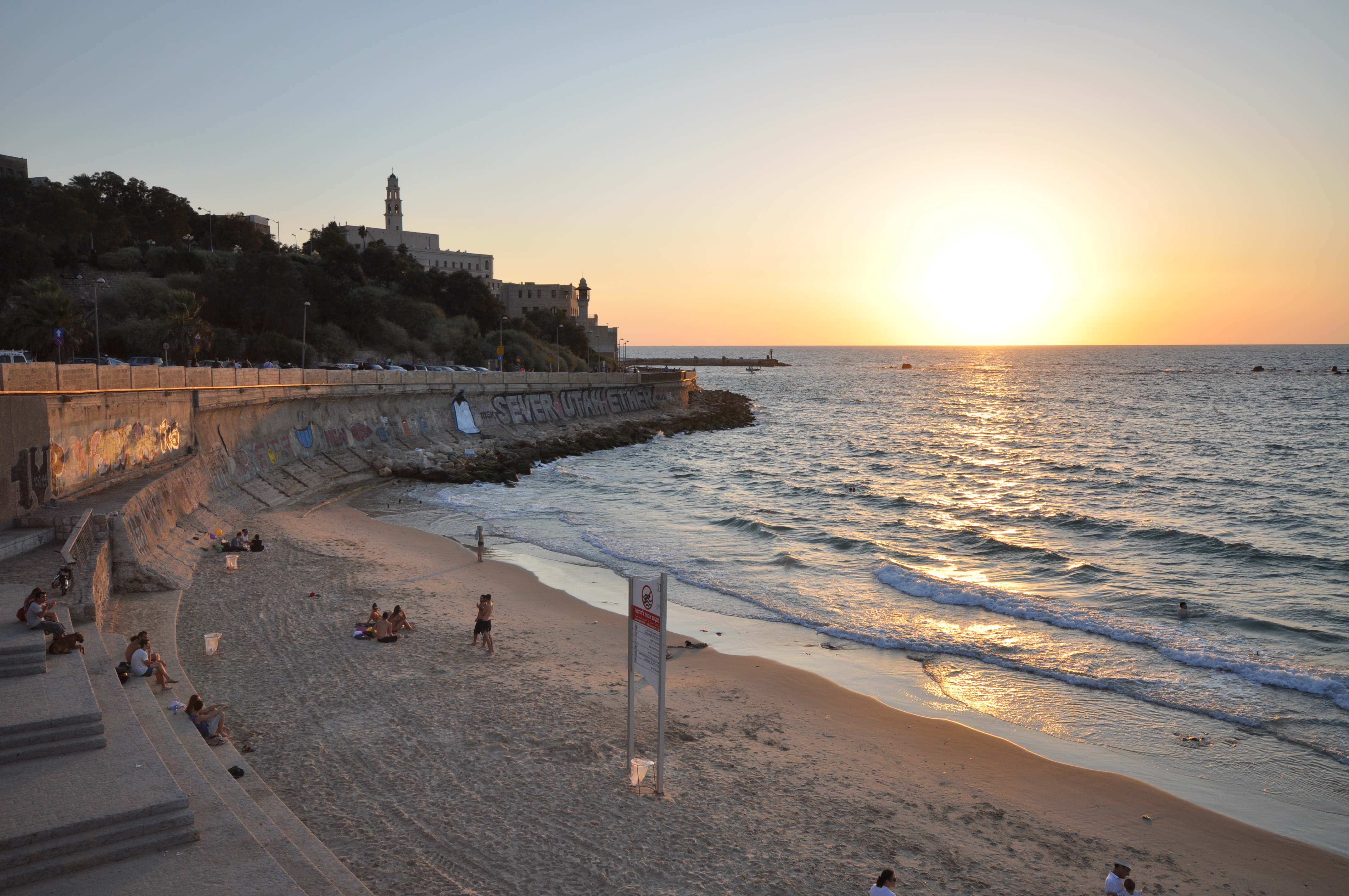
Fishermen in the southern Lebanese city of Tyre are unable to go to sea due to an Israeli naval blockade and surveillance.
This restriction threatens a centuries-old industry that supports the local economy. The inability to access fishing grounds removes a primary source of food and income for coastal residents during the ongoing conflict.
Israeli naval actions and cross-border attacks have effectively barred boats from leaving the Port of Tyre. These measures are intended to pressure Hezbollah, but they have also stranded civilians on the Mediterranean coast. The blockade prevents fishermen from reaching their traditional waters, leaving them stuck on shore.
The economic impact extends beyond the boat captains. Hundreds of families are affected [1] by the loss of income. For many in Tyre, fishing is not merely a job, but a generational trade that is now halted by the security environment.
Local families face increasing hardship as their livelihoods are crippled. The combination of active surveillance and the threat of attacks has made the coastal waters impassable for civilian vessels. This disruption has halted the flow of fish to local markets, further straining the regional economy.
“Fishermen in the southern Lebanese city of Tyre are unable to go to sea.”
The situation in Tyre illustrates how military blockades intended for strategic political or paramilitary pressure often result in significant collateral economic damage. By cutting off access to the sea, the conflict is dismantling a traditional socio-economic structure, potentially creating long-term dependency or poverty for hundreds of families in southern Lebanon.


