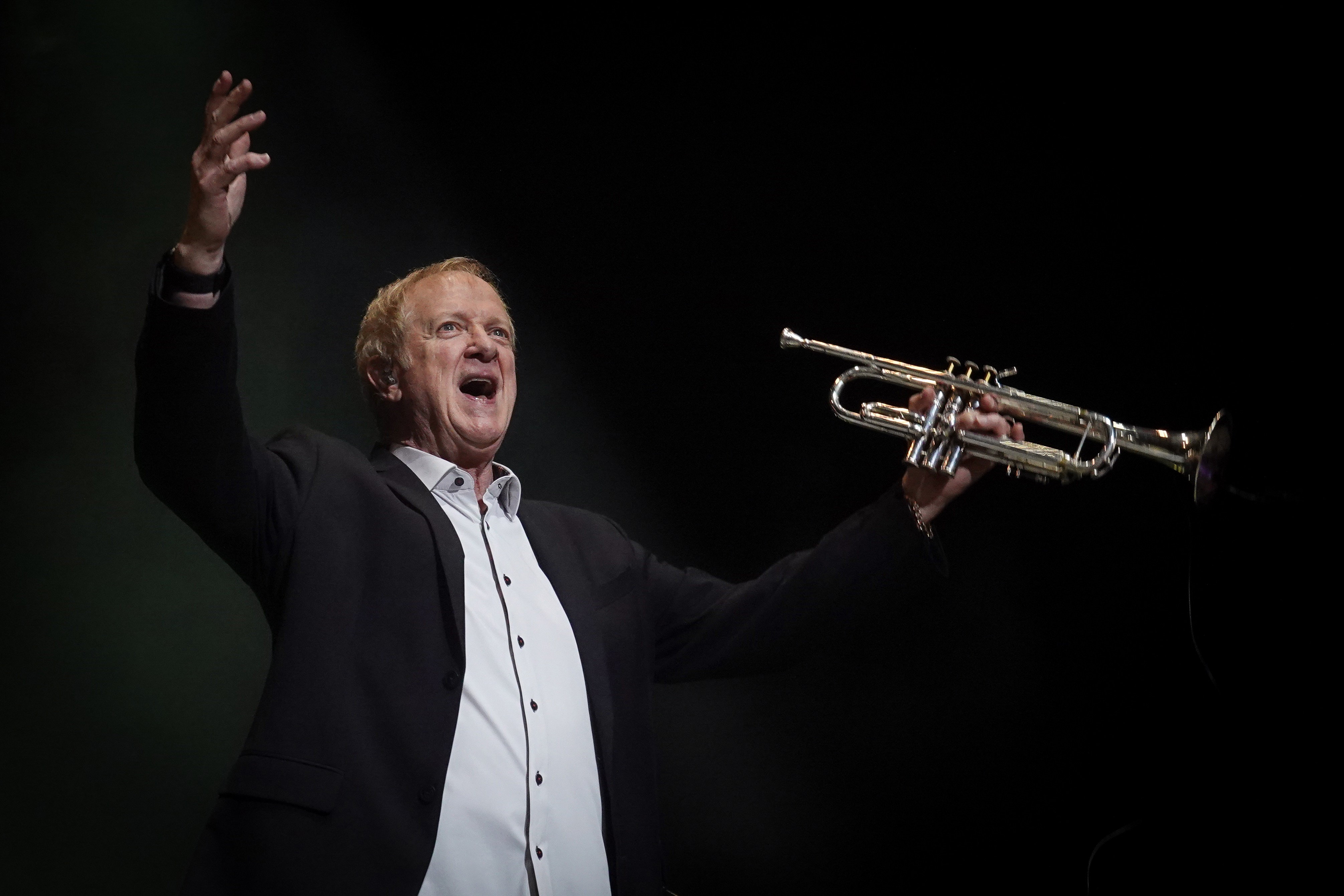
Lee Loughnane, founding trumpet player of Chicago, became the band’s only original touring member in 2025[1].
His continued presence offers fans a tangible connection to Chicago’s classic sound, even as the lineup has changed dramatically over the years — the rarity of an original member staying on tour underscores the band’s durability and the challenges of maintaining a cohesive identity across generations. In an era where legacy acts often rely on tribute musicians, Loughnane’s authentic performance provides a rare bridge between the band’s historic recordings and live experience.
Chicago formed in 1965[1] in the Chicago suburb of Wilmette and quickly rose to fame with its brass‑driven rock fusion. The original sextet featured Loughnane on trumpet and flugelhorn, sharing duties with saxophonist and trombonist to create the signature horn section.
Over nearly six decades, Loughnane has performed on every studio album and dozens of world tours, contributing to hits such as “25 or six to 4” and “Saturday in the Park.” His steady role has made him a fixture both on stage and in the band’s public image.
In recent years, longtime guitarist and vocalist members retired or were replaced, leaving only a handful of non‑founding musicians on the road. By 2025, Loughnane stood alone as the sole founding artist still touring with Chicago[2].
"I would've been voted least likely," Loughnane said[1]. This candid remark reflects his surprise at outlasting his peers while maintaining the same instrument and stage presence. He added that the band’s chemistry remains strong, crediting younger members for preserving the spirit that first propelled Chicago to fame.
Loughnane’s endurance mirrors the band’s ability to adapt, shifting from jazz‑rock roots to pop‑oriented hits while retaining a brass core that defines its identity.
Chicago’s 2025 world tour will visit major venues across North America and Europe, featuring a setlist that spans the group’s four‑decade catalog.
Music historians said that having a founding member active on stage enhances a band’s authenticity, often translating into stronger ticket sales and media attention.
Loughnane’s example may inspire other veteran musicians to remain engaged, demonstrating that longevity is possible when artists stay true to their musical roots.
**What this means**
Lee Loughnane’s status as the last original touring member underscores how legacy bands can preserve their heritage while evolving. His presence offers fans a living link to Chicago’s early sound, reinforcing the commercial and cultural value of authentic continuity in long‑running rock acts.
“"I would've been voted least likely," Loughnane said[1].”
Lee Loughnane’s status as the last original touring member underscores how legacy bands can preserve their heritage while evolving. His presence offers fans a living link to Chicago’s early sound, reinforcing the commercial and cultural value of authentic continuity in long‑running rock acts.


'%2F%3E%0A%20%20%20%20%3Crect%20width%3D'1600'%20height%3D'900'%20fill%3D'url(%23v)'%2F%3E%0A%20%20%20%20%3Cg%20opacity%3D'0.08'%20fill%3D'%23ffffff'%3E%0A%20%20%20%20%20%20%3Ccircle%20cx%3D'1420'%20cy%3D'180'%20r%3D'220'%2F%3E%0A%20%20%20%20%20%20%3Ccircle%20cx%3D'1500'%20cy%3D'760'%20r%3D'120'%2F%3E%0A%20%20%20%20%3C%2Fg%3E%0A%20%20%20%20%3Cline%20x1%3D'80'%20y1%3D'172'%20x2%3D'220'%20y2%3D'172'%20stroke%3D'%23ffffff'%20stroke-width%3D'3'%20stroke-opacity%3D'0.6'%2F%3E%0A%20%20%20%20%3Ctext%20x%3D'80'%20y%3D'140'%20font-family%3D'Inter%2C%20-apple-system%2C%20Helvetica%2C%20sans-serif'%20font-weight%3D'700'%20font-size%3D'28'%20fill%3D'%23ffffff'%20letter-spacing%3D'6'%3EHANNA%20%C2%B7%20NEWS%3C%2Ftext%3E%0A%20%20%20%20%3Ctext%20x%3D'80'%20y%3D'230'%20font-family%3D'Inter%2C%20-apple-system%2C%20Helvetica%2C%20sans-serif'%20font-weight%3D'600'%20font-size%3D'40'%20fill%3D'%23ffffffb3'%20letter-spacing%3D'4'%3ECULTURE%3C%2Ftext%3E%0A%20%20%20%20%3Ctext%20x%3D'80'%20y%3D'622'%20font-family%3D'Playfair%20Display%2C%20Georgia%2C%20serif'%20font-weight%3D'800'%20font-size%3D'86'%20fill%3D'%23ffffff'%20letter-spacing%3D'-1'%3ET-Series%20Releases%20Lyrical%3C%2Ftext%3E%3Ctext%20x%3D'80'%20y%3D'721'%20font-family%3D'Playfair%20Display%2C%20Georgia%2C%20serif'%20font-weight%3D'800'%20font-size%3D'86'%20fill%3D'%23ffffff'%20letter-spacing%3D'-1'%3EVideo%20for%20%26quot%3BYe%20Kutumb%3C%2Ftext%3E%3Ctext%20x%3D'80'%20y%3D'820'%20font-family%3D'Playfair%20Display%2C%20Georgia%2C%20serif'%20font-weight%3D'800'%20font-size%3D'86'%20fill%3D'%23ffffff'%20letter-spacing%3D'-1'%3E(Sad%20Version)%26quot%3B%3C%2Ftext%3E%0A%20%20%20%20%3Ctext%20x%3D'80'%20y%3D'870'%20font-family%3D'Inter%2C%20-apple-system%2C%20Helvetica%2C%20sans-serif'%20font-weight%3D'500'%20font-size%3D'22'%20fill%3D'%23ffffff66'%20letter-spacing%3D'2'%3Enews.hanna-ai.com%3C%2Ftext%3E%0A%20%20%3C%2Fsvg%3E)