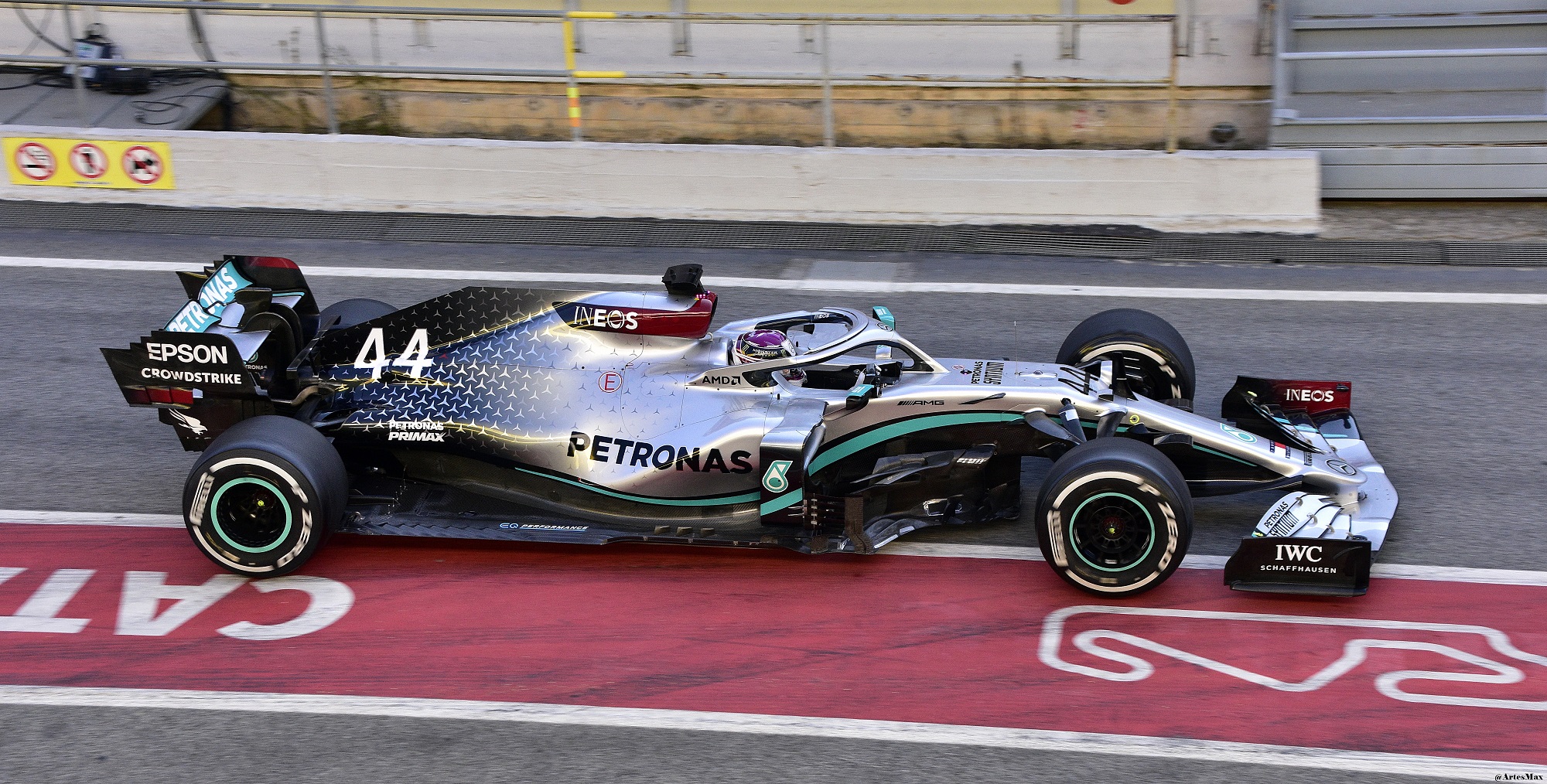
Lewis Hamilton took the lead at the Barcelona-Catalunya Grand Prix after a virtual safety car period [1, 2].
The shift in position alters the race dynamic for the leading contenders. By securing the top spot, Hamilton gains a strategic advantage in controlling the pace and managing his tires for the remainder of the event.
The lead change occurred at the Barcelona-Catalunya circuit in Barcelona, Spain [1, 2]. Hamilton managed to capitalize on the timing of the virtual safety car, which slowed the field and created a window for a critical pit stop sequence.
According to race footage and reports, Hamilton exited the pit lane ahead of George Russell [1, 2]. The timing of the stop allowed Hamilton to leapfrog his teammate, effectively utilizing the reduced speed of the other drivers on track to minimize the time lost during his service.
This maneuver highlights the importance of pit strategy and real-time reactions to race incidents. The virtual safety car often creates high-pressure scenarios where a few seconds of variance in pit entry or exit can determine the leader of the race.
Hamilton now maintains the lead as the race continues. The team will likely focus on defending this position against Russell and other challengers as the lap count decreases.
“Lewis Hamilton took the lead at the Barcelona-Catalunya Grand Prix after a virtual safety car period.”
This lead change demonstrates the pivotal role of the virtual safety car in modern Formula 1, where strategic pit stops can override raw on-track pace. By jumping George Russell, Hamilton has shifted the tactical burden to his teammate, forcing Russell to attempt an overtake on track rather than relying on a pit-stop undercut.


