
Avigdor Liberman, leader of the Yisrael Beiteinu party, said Prime Minister Benjamin Netanyahu has turned Israel into a "banana republic" [1].
The statement highlights deep fractures within the Israeli political establishment regarding the current administration's governance and the stability of the state's democratic institutions.
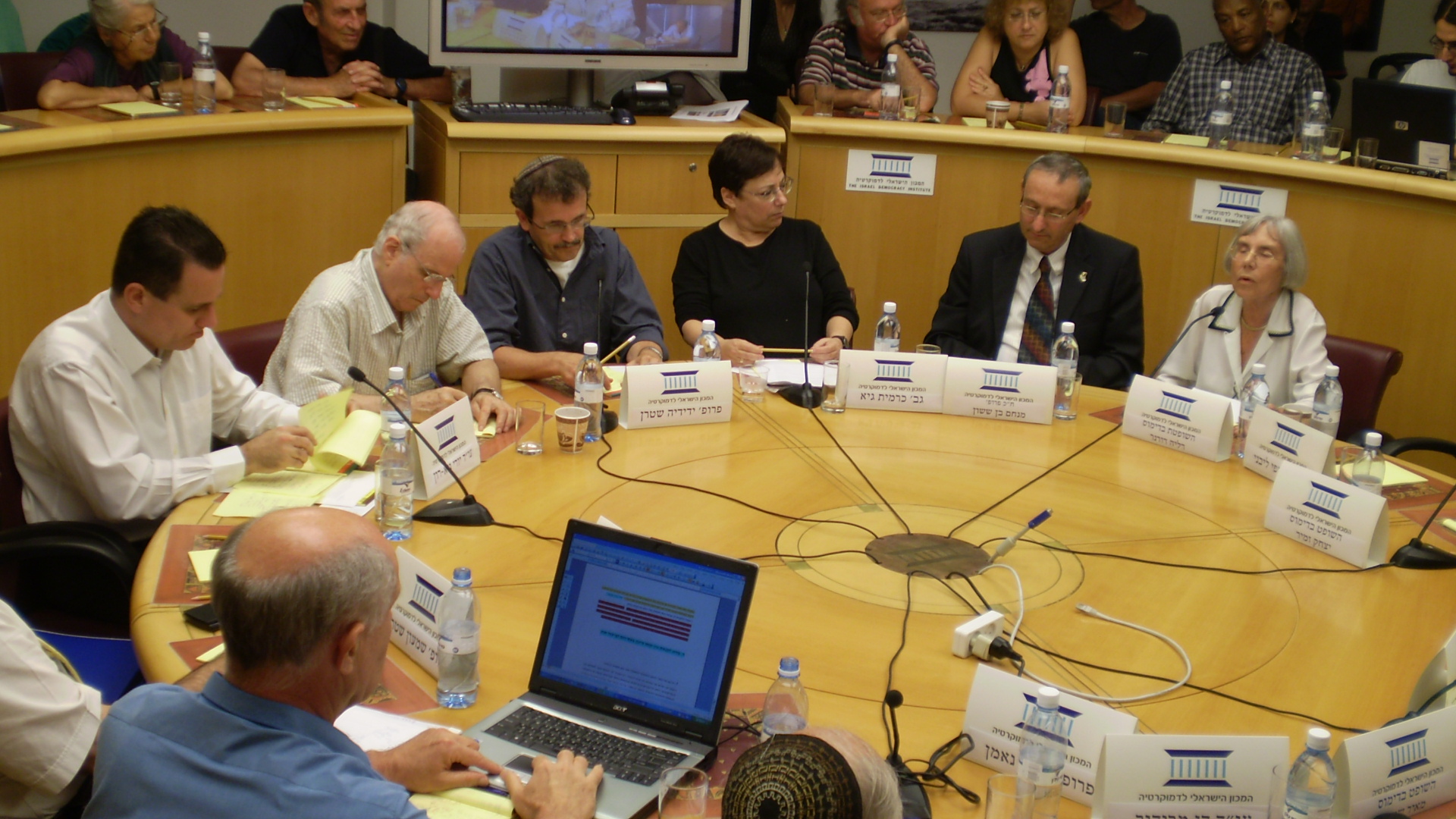
Liberman said the remarks during the Eli Horovitz Conference for Economy and Society [1]. The event was hosted by the Israeli Democracy Institute, where discussions focused on the intersection of economic stability, and social cohesion within the country [1].
During his address, Liberman targeted the policies of the prime minister, suggesting that the nature of the state has shifted under Netanyahu's leadership [1]. The term "banana republic" is typically used to describe a politically unstable country with an economy dependent upon a single export and characterized by a small, wealthy oligarchy.
Liberman said he did not provide a specific timeline for these changes but linked the decline to the current leadership's approach to governance [1]. The criticism comes amid ongoing debates regarding the rule of law and the influence of the executive branch over judicial and legislative processes in Israel.
While the conference focused on economy and society, the political nature of Liberman's critique underscored the volatility of the current political climate [1]. He said that the current trajectory of the government is detrimental to the long-term health of the nation.
“Netanyahu turned Israel into a 'banana republic'”
Liberman's use of the term 'banana republic' signifies a severe escalation in rhetoric from a former coalition partner. By framing the critique within an economic and social conference, he suggests that political instability is now directly impacting Israel's institutional credibility and economic viability.


'%2F%3E%0A%20%20%20%20%3Crect%20width%3D'1600'%20height%3D'900'%20fill%3D'url(%23v)'%2F%3E%0A%20%20%20%20%3Cg%20opacity%3D'0.08'%20fill%3D'%23ffffff'%3E%0A%20%20%20%20%20%20%3Ccircle%20cx%3D'1420'%20cy%3D'180'%20r%3D'220'%2F%3E%0A%20%20%20%20%20%20%3Ccircle%20cx%3D'1500'%20cy%3D'760'%20r%3D'120'%2F%3E%0A%20%20%20%20%3C%2Fg%3E%0A%20%20%20%20%3Cline%20x1%3D'80'%20y1%3D'172'%20x2%3D'220'%20y2%3D'172'%20stroke%3D'%23ffffff'%20stroke-width%3D'3'%20stroke-opacity%3D'0.6'%2F%3E%0A%20%20%20%20%3Ctext%20x%3D'80'%20y%3D'140'%20font-family%3D'Inter%2C%20-apple-system%2C%20Helvetica%2C%20sans-serif'%20font-weight%3D'700'%20font-size%3D'28'%20fill%3D'%23ffffff'%20letter-spacing%3D'6'%3EHANNA%20%C2%B7%20NEWS%3C%2Ftext%3E%0A%20%20%20%20%3Ctext%20x%3D'80'%20y%3D'230'%20font-family%3D'Inter%2C%20-apple-system%2C%20Helvetica%2C%20sans-serif'%20font-weight%3D'600'%20font-size%3D'40'%20fill%3D'%23ffffffb3'%20letter-spacing%3D'4'%3EWORLD%3C%2Ftext%3E%0A%20%20%20%20%3Ctext%20x%3D'80'%20y%3D'622'%20font-family%3D'Playfair%20Display%2C%20Georgia%2C%20serif'%20font-weight%3D'800'%20font-size%3D'86'%20fill%3D'%23ffffff'%20letter-spacing%3D'-1'%3ETamil%20Nadu%20CM%20C.%20Joseph%3C%2Ftext%3E%3Ctext%20x%3D'80'%20y%3D'721'%20font-family%3D'Playfair%20Display%2C%20Georgia%2C%20serif'%20font-weight%3D'800'%20font-size%3D'86'%20fill%3D'%23ffffff'%20letter-spacing%3D'-1'%3EVijay%20Explains%20Choice%20of%3C%2Ftext%3E%3Ctext%20x%3D'80'%20y%3D'820'%20font-family%3D'Playfair%20Display%2C%20Georgia%2C%20serif'%20font-weight%3D'800'%20font-size%3D'86'%20fill%3D'%23ffffff'%20letter-spacing%3D'-1'%3EMonochrome%20Suits%3C%2Ftext%3E%0A%20%20%20%20%3Ctext%20x%3D'80'%20y%3D'870'%20font-family%3D'Inter%2C%20-apple-system%2C%20Helvetica%2C%20sans-serif'%20font-weight%3D'500'%20font-size%3D'22'%20fill%3D'%23ffffff66'%20letter-spacing%3D'2'%3Enews.hanna-ai.com%3C%2Ftext%3E%0A%20%20%3C%2Fsvg%3E)
