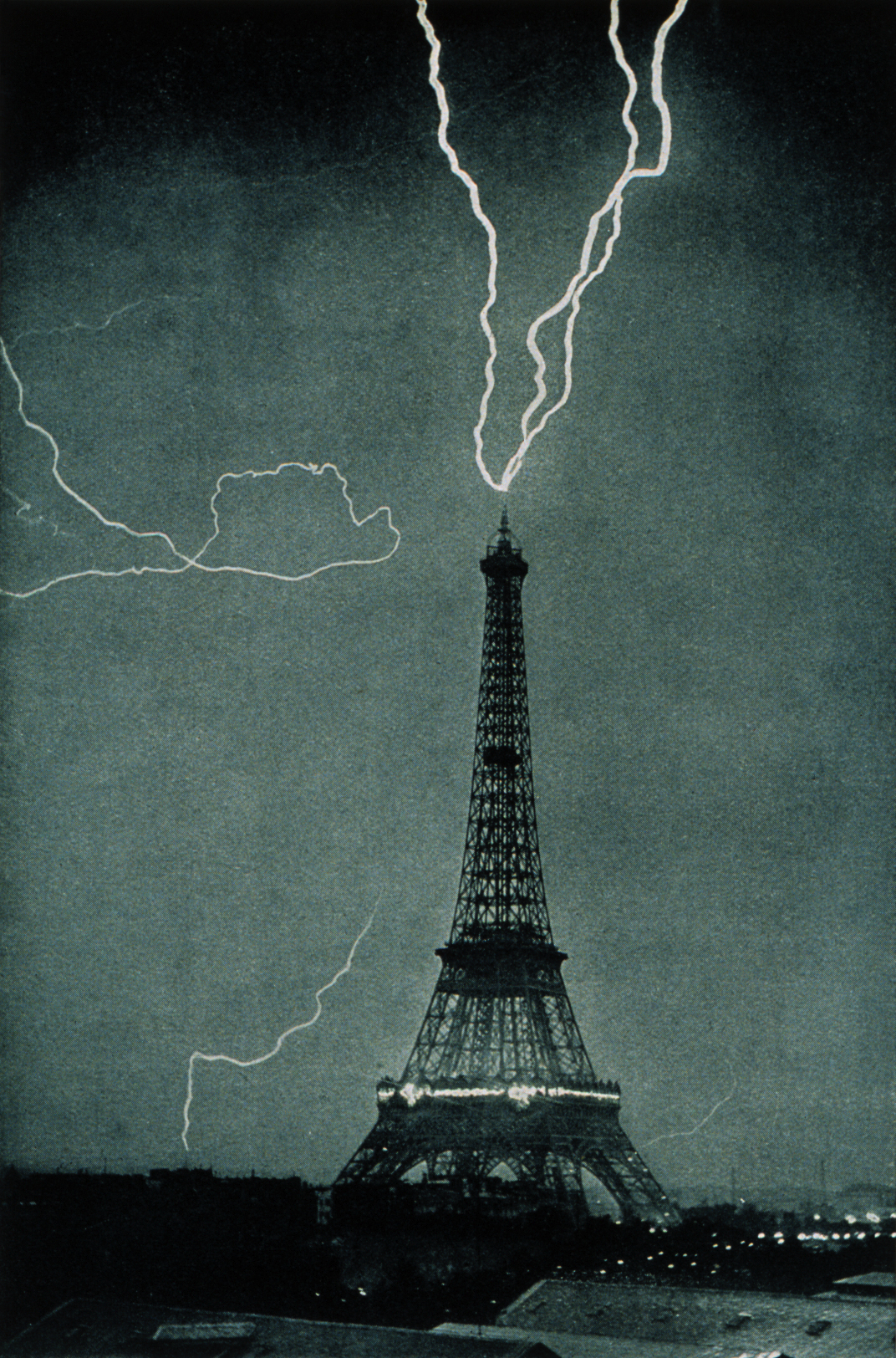
A bolt of lightning struck the Eiffel Tower in Paris on June 29, 2026 [1], during a violent thunderstorm.
The event highlights the vulnerability of tall urban landmarks to extreme weather and the effectiveness of the tower's lightning protection systems. Because the tower is one of the most visited sites in the world, such strikes often draw global attention via social media and news reports.
Footage from the event shows lightning bolts striking the structure as the storm moved across the city [1]. The strike occurred amidst a period of violent weather that impacted the Paris skyline [2].
Despite the intensity of the thunderstorm and the direct hit to the metal structure, there were no injuries or fatalities reported [2]. The tower is designed to withstand such atmospheric electrical discharges, a necessity for a structure of its height and composition.
Local authorities and weather monitors tracked the storm as it passed through the French capital. The incident was captured in several videos, which have since circulated online, showing the flash of the bolt against the dark storm clouds [1].
No structural damage was immediately reported following the strike. The tower continues to operate as a focal point of the city's tourism and architectural heritage, remaining secure despite the volatile weather conditions encountered this Monday [1].
“A bolt of lightning struck the Eiffel Tower in Paris on June 29, 2026”
The strike demonstrates the tower's role as a massive lightning rod for the city of Paris. While visually dramatic, the lack of casualties or structural failure confirms that the landmark's grounding and safety systems are functioning as intended during severe weather events.


