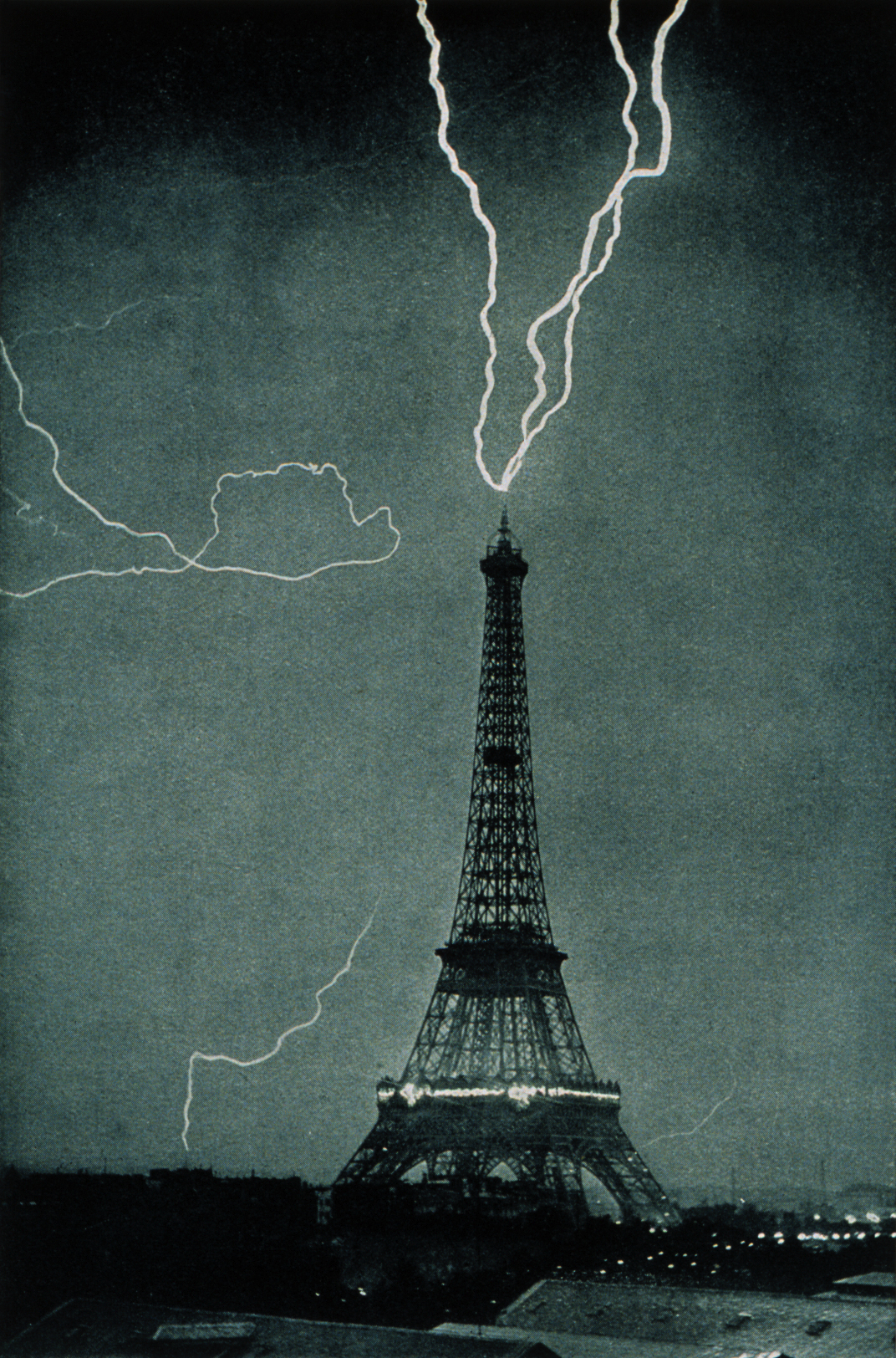
Lightning struck the Eiffel Tower on Saturday evening as a severe thunderstorm moved across Paris [1, 2].
The event highlights the volatility of weather patterns in Europe, where extreme storms have coincided with record-breaking temperatures across several nations [3].
Video footage captured the moment the lightning hit the iron lattice structure during the storm [1, 2]. The strike occurred as thunderstorm conditions raged over the city, creating a dramatic visual of the flash against the Parisian skyline [4, 5].
Officials said they have not reported immediate damage to the structure resulting from the strike. The Eiffel Tower is designed to withstand such events, acting as a massive lightning rod that directs electrical discharges safely into the ground [1, 3].
The storm arrived amid a broader period of intense heat across the continent [1]. This combination of high temperatures and sudden atmospheric instability often triggers the kind of violent thunderstorms seen in Paris this week [3].
Local authorities said they continued to monitor weather alerts as the storm system moved through the region [2, 4]. The incident served as a reminder of the risks posed by sudden weather shifts during peak summer heat cycles [3].
“Lightning struck the Eiffel Tower on Saturday evening as a severe thunderstorm moved across Paris.”
The strike on the Eiffel Tower illustrates the increasing frequency of extreme weather oscillations in Europe. When record-breaking heatwaves are interrupted by sudden cold fronts, the resulting atmospheric instability often produces severe thunderstorms. While the tower is engineered to handle lightning, these events reflect a broader pattern of volatile climate behavior affecting major urban centers.


