
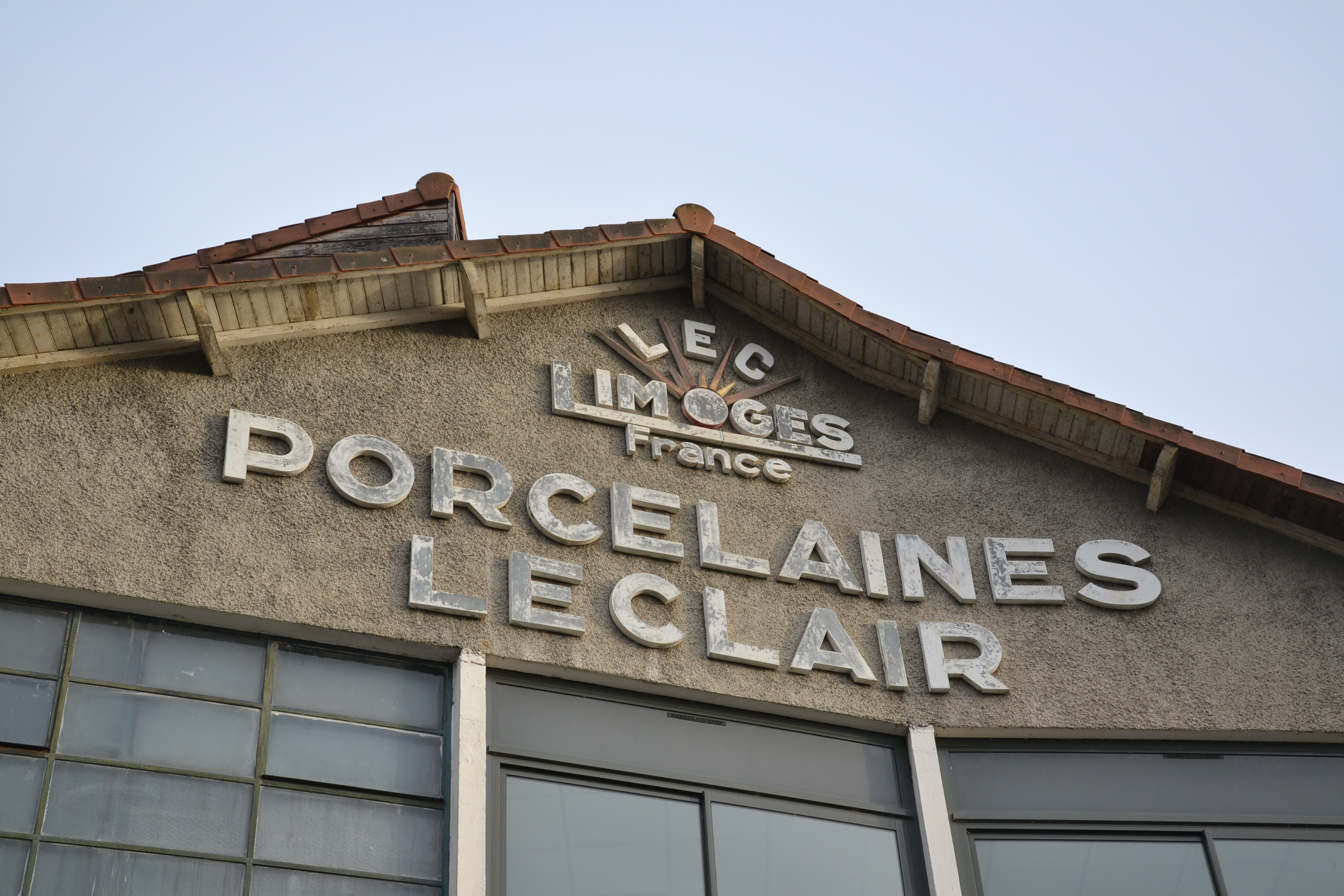
Limoges porcelain became the first non-agricultural manufactured product in the European Union to receive a Protected Geographical Indication (IGP) label in May 2026 [1].
This designation marks a significant shift in European trade law by extending protections previously reserved for food and wine to artisanal and industrial goods. By securing this status, the industry in Limoges, Haute-Vienne, can legally prevent imitations and protect the specific regional know-how associated with its production [3].
The move follows a decree published in June 2026 to codify the protection [1]. This legal framework allows the region to safeguard a tradition that spans 250 years [2]. For centuries, the "white gold" of Limoges has been a global symbol of French luxury and craftsmanship, including the work of houses such as Bernardaud [1].
Under the new rules, only products that adhere to specific regional production standards can carry the IGP label. This prevents manufacturers outside the designated area from using the Limoges name to mislead consumers about the origin of the porcelain [3].
The expansion of the IGP system is intended to protect the economic viability of traditional crafts against mass-produced global competitors. By linking the product's quality directly to its geographic origin, the EU aims to preserve cultural heritage, and strengthen the market position of European artisans [3].
“Limoges porcelain became the first non-agricultural manufactured product in the European Union to receive a Protected Geographical Indication (IGP) label”
The granting of the IGP label to Limoges porcelain creates a legal precedent for other European artisanal industries, such as lace-making or glass-blowing, to seek similar protections. This shifts the EU's approach to intellectual property by treating regional industrial craftsmanship with the same rigor as agricultural terroir, potentially insulating high-end European manufacturing from international brand dilution.


