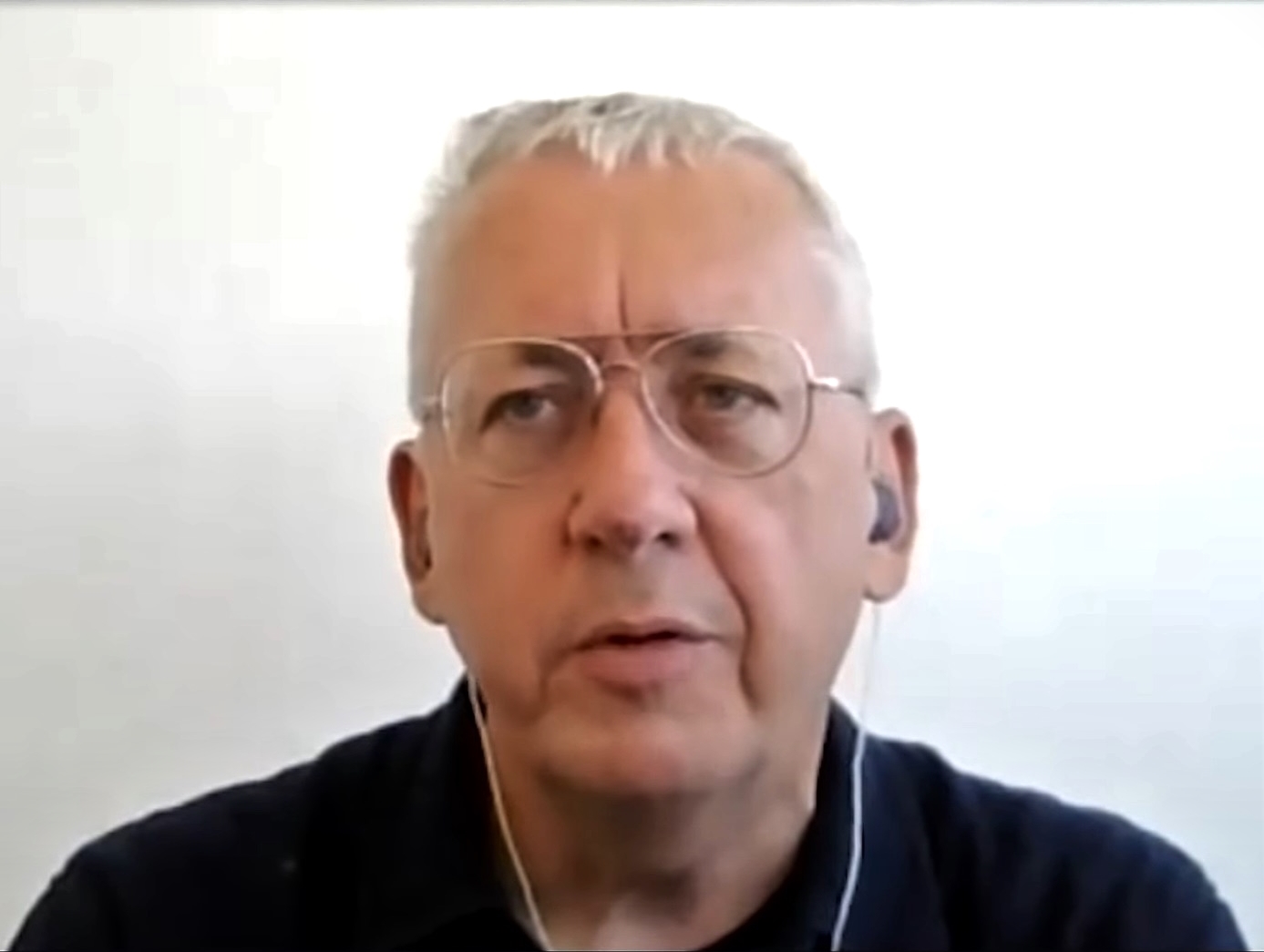
World leaders and U.S. lawmakers gathered Tuesday, July 28, 2026 [1], to honor the life and legacy of Senator Lindsey Graham (R-SC).
The services mark the end of a career defined by a high-profile role in U.S. foreign policy and a close political alliance with Donald Trump.
The day of remembrance consisted of two separate celebrations [2]. The events began with a ceremony in the U.S. Capitol rotunda before moving to a private service at the Washington National Cathedral [2].
President Donald Trump attended the services, where he was scheduled to deliver a eulogy alongside Sean Hannity [3]. The gathering drew a diverse group of high-ranking officials and legal figures, including Supreme Court Justice Brett Kavanaugh [1].
The event also served as a diplomatic meeting point, as the senator was noted for his outspoken support of both Israel and Ukraine [4]. Among the attendees were Israeli Prime Minister Benjamin Netanyahu and Ukrainian President Volodymyr Zelensky [1].
The presence of these leaders underscores the senator's influence in maintaining U.S. strategic ties with its allies. His tenure in the Senate was characterized by a commitment to strong military support for these nations, a legacy highlighted by the attendance of the heads of state from both countries [4, 5].
Lawmakers from both parties spent the morning mourning the former senator ahead of the cathedral service [4]. The proceedings concluded with the private memorial, which focused on the senator's contributions to the U.S. government, and his personal relationships with the leaders in attendance [2].
“The events began with a ceremony in the U.S. Capitol rotunda before moving to a private service at the Washington National Cathedral.”
The attendance of both President Zelensky and Prime Minister Netanyahu at a single memorial service reflects the rare bipartisan and international consensus Graham fostered regarding US support for Ukraine and Israel. This gathering highlights how specific legislative figures can act as primary bridges between the US executive branch and foreign governments, regardless of the prevailing political climate in Washington.
'%2F%3E%0A%20%20%20%20%3Crect%20width%3D'1600'%20height%3D'900'%20fill%3D'url(%23v)'%2F%3E%0A%20%20%20%20%3Cg%20opacity%3D'0.08'%20fill%3D'%23ffffff'%3E%0A%20%20%20%20%20%20%3Ccircle%20cx%3D'1420'%20cy%3D'180'%20r%3D'220'%2F%3E%0A%20%20%20%20%20%20%3Ccircle%20cx%3D'1500'%20cy%3D'760'%20r%3D'120'%2F%3E%0A%20%20%20%20%3C%2Fg%3E%0A%20%20%20%20%3Cline%20x1%3D'80'%20y1%3D'172'%20x2%3D'220'%20y2%3D'172'%20stroke%3D'%23ffffff'%20stroke-width%3D'3'%20stroke-opacity%3D'0.6'%2F%3E%0A%20%20%20%20%3Ctext%20x%3D'80'%20y%3D'140'%20font-family%3D'Inter%2C%20-apple-system%2C%20Helvetica%2C%20sans-serif'%20font-weight%3D'700'%20font-size%3D'28'%20fill%3D'%23ffffff'%20letter-spacing%3D'6'%3EHANNA%20%C2%B7%20NEWS%3C%2Ftext%3E%0A%20%20%20%20%3Ctext%20x%3D'80'%20y%3D'230'%20font-family%3D'Inter%2C%20-apple-system%2C%20Helvetica%2C%20sans-serif'%20font-weight%3D'600'%20font-size%3D'40'%20fill%3D'%23ffffffb3'%20letter-spacing%3D'4'%3EWORLD%3C%2Ftext%3E%0A%20%20%20%20%3Ctext%20x%3D'80'%20y%3D'622'%20font-family%3D'Playfair%20Display%2C%20Georgia%2C%20serif'%20font-weight%3D'800'%20font-size%3D'86'%20fill%3D'%23ffffff'%20letter-spacing%3D'-1'%3EMitch%20Landrieu%20Co-hosts%20New%3C%2Ftext%3E%3Ctext%20x%3D'80'%20y%3D'721'%20font-family%3D'Playfair%20Display%2C%20Georgia%2C%20serif'%20font-weight%3D'800'%20font-size%3D'86'%20fill%3D'%23ffffff'%20letter-spacing%3D'-1'%3ESeries%20on%20US%20Southern%3C%2Ftext%3E%3Ctext%20x%3D'80'%20y%3D'820'%20font-family%3D'Playfair%20Display%2C%20Georgia%2C%20serif'%20font-weight%3D'800'%20font-size%3D'86'%20fill%3D'%23ffffff'%20letter-spacing%3D'-1'%3EPolitics%3C%2Ftext%3E%0A%20%20%20%20%3Ctext%20x%3D'80'%20y%3D'870'%20font-family%3D'Inter%2C%20-apple-system%2C%20Helvetica%2C%20sans-serif'%20font-weight%3D'500'%20font-size%3D'22'%20fill%3D'%23ffffff66'%20letter-spacing%3D'2'%3Enews.hanna-ai.com%3C%2Ftext%3E%0A%20%20%3C%2Fsvg%3E)

