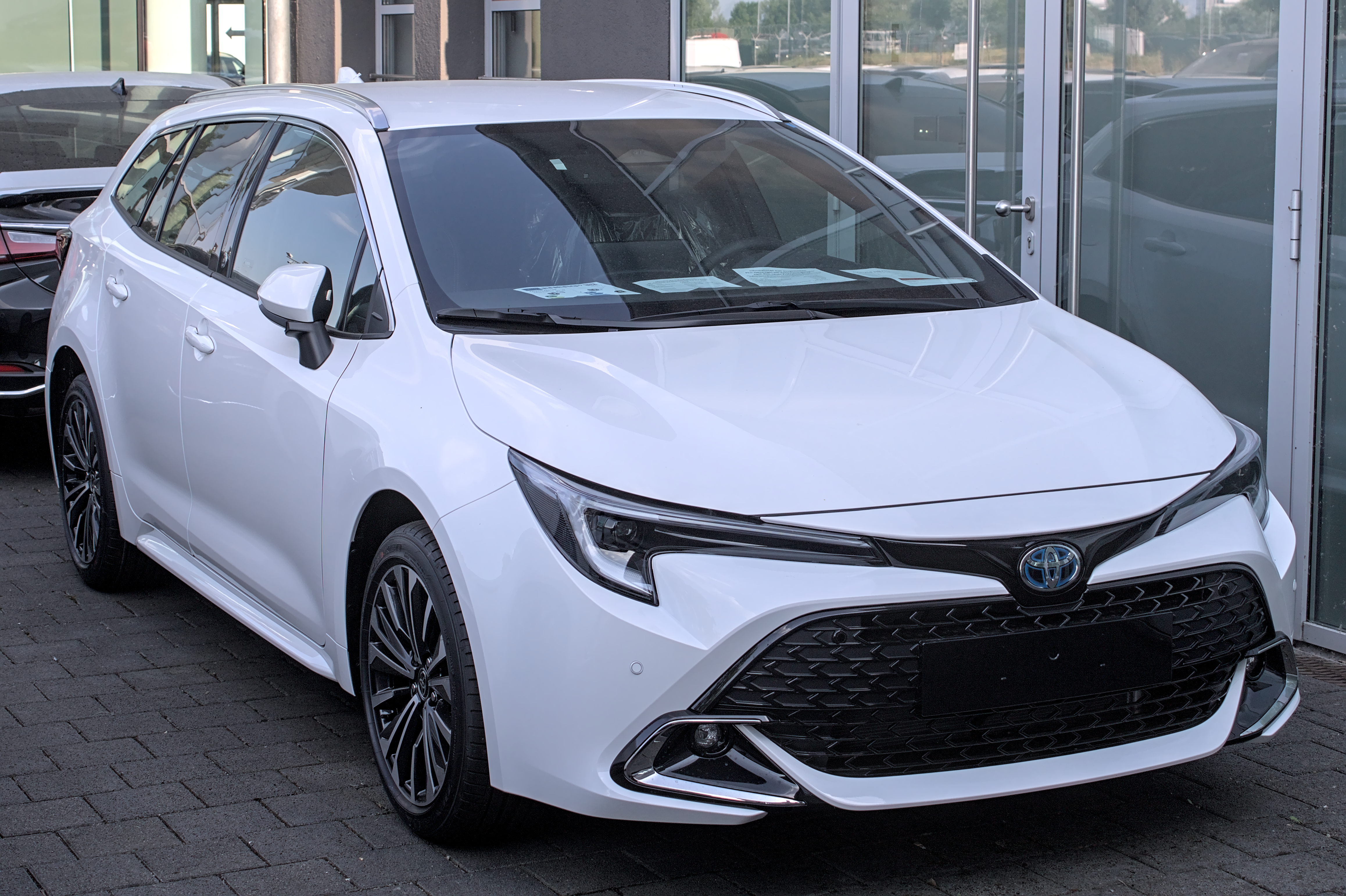
Linus Sebastian, host of Linus Tech Tips, used an open-source Comma AI system to drive his Toyota Corolla during his daily commute [1].
The experiment highlights the viability of third-party, open-source driver-assistance software in vehicles that do not come equipped with advanced autonomous features from the factory. By integrating a Comma 3x device into a standard consumer vehicle, the test explores whether accessible AI can safely manage routine road conditions.
Sebastian conducted the trial over a period of several months [1]. The goal of the project was to evaluate the active driver-assistance capabilities of the Comma AI system in real-world environments [1]. This involved allowing the software to control steering and speed while navigating the specific challenges of a daily work trip.
Unlike proprietary systems developed by major automakers, the Comma 3x operates on an open-source framework. This approach allows for more transparency in how the AI makes decisions, and permits a community of developers to iterate on the software. Sebastian's trial focused on the practical application of this technology within the cabin of a Toyota Corolla [1].
The test provides a glimpse into the potential for retrofitting older or more basic vehicle models with modern AI capabilities. While the system provides driver assistance, it does not replace the need for human oversight—a critical distinction in the current landscape of semi-autonomous driving technology.
“Linus Sebastian used an open-source Comma AI system to drive his Toyota Corolla.”
This test demonstrates the growing influence of open-source hardware and software in the automotive sector. By successfully implementing a Comma 3x device in a standard Corolla, the trial suggests that driver-assistance technology is becoming decoupled from specific luxury vehicle brands, potentially lowering the barrier for consumers to access semi-autonomous safety features.