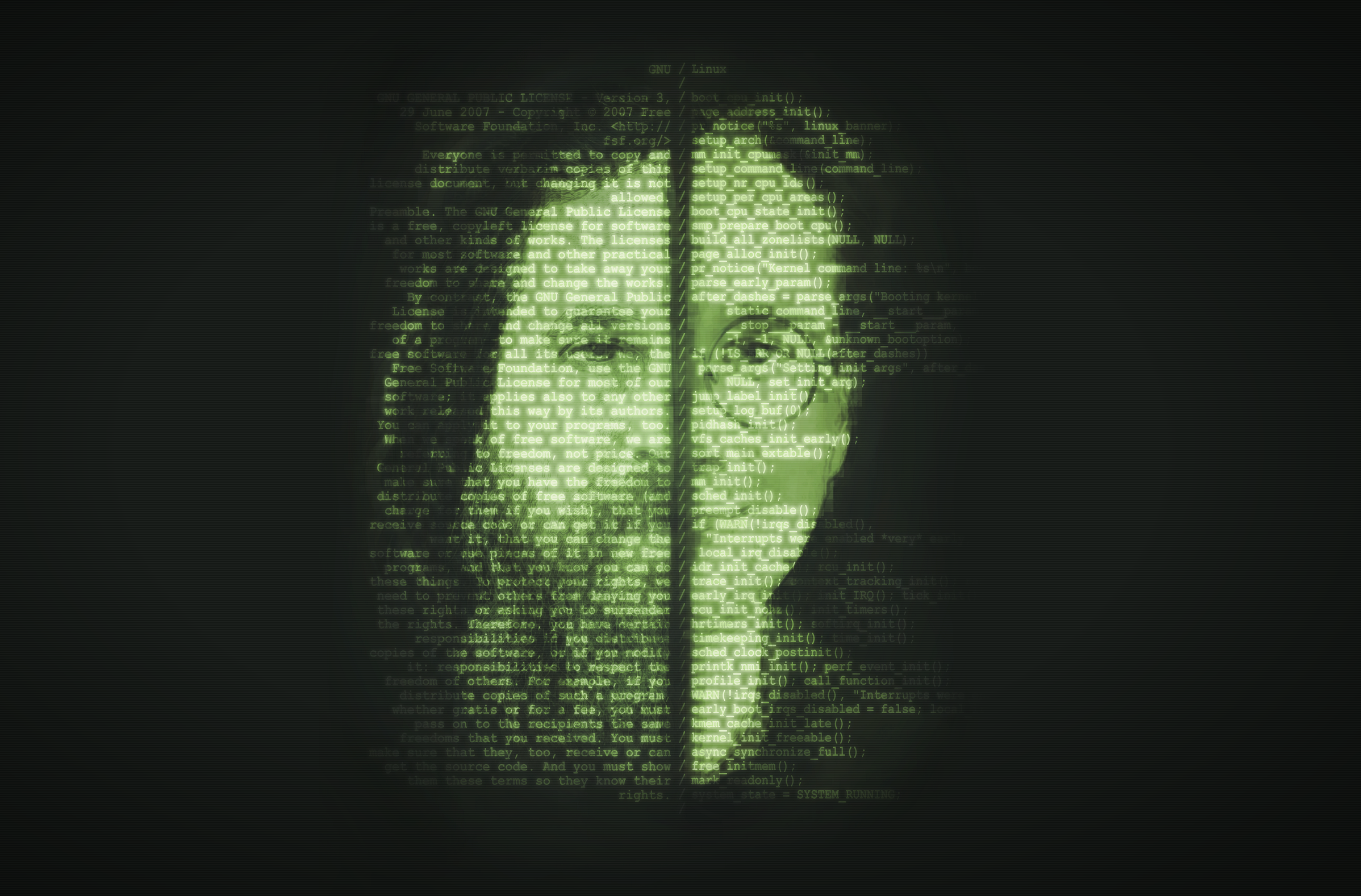
Linus Torvalds will be more strict about rejecting pointless pull requests, specifically those generated by artificial intelligence [1, 2].
This shift in approach highlights a growing tension between the speed of AI code generation and the rigorous quality control required for the world's most widely used operating system kernel. As AI tools make it easier to submit patches, the volume of low-value contributions threatens to overwhelm human maintainers.
Torvalds addressed the issue on the Linux kernel mailing list, where he said that some of these pointless pull requests come from AIs [1]. He said that he intends to be more hard-nosed regarding these submissions to prevent the kernel from becoming bloated [1, 2].
The creator of the Linux kernel said that large release-candidate patches are not conducive to the long-term stability of the system [1]. According to reports, AI-generated code fixes are contributing to this bloat and creating significant extra work for the maintainers who must review every change [2].
Maintaining the kernel requires a high level of precision to ensure that updates do not introduce critical bugs or security vulnerabilities. The influx of automated patches, which may look correct at first glance but lack deep architectural reasoning, poses a risk to that stability [2].
Torvalds has a long history of demanding high standards for code quality. By targeting AI-generated contributions, he is signaling that automation cannot replace the critical thinking and vetting process essential for core system development [1, 2].
“Linus Torvalds will be more strict about rejecting pointless pull requests, specifically those generated by artificial intelligence.”
The conflict between AI efficiency and kernel stability reflects a broader challenge in software engineering: the 'noise' created by LLMs can outpace the 'signal' of human review. If the Linux kernel—the foundation for most servers and Android devices—begins to accumulate AI-generated technical debt, it could lead to increased instability and harder-to-diagnose bugs across global digital infrastructure.


