
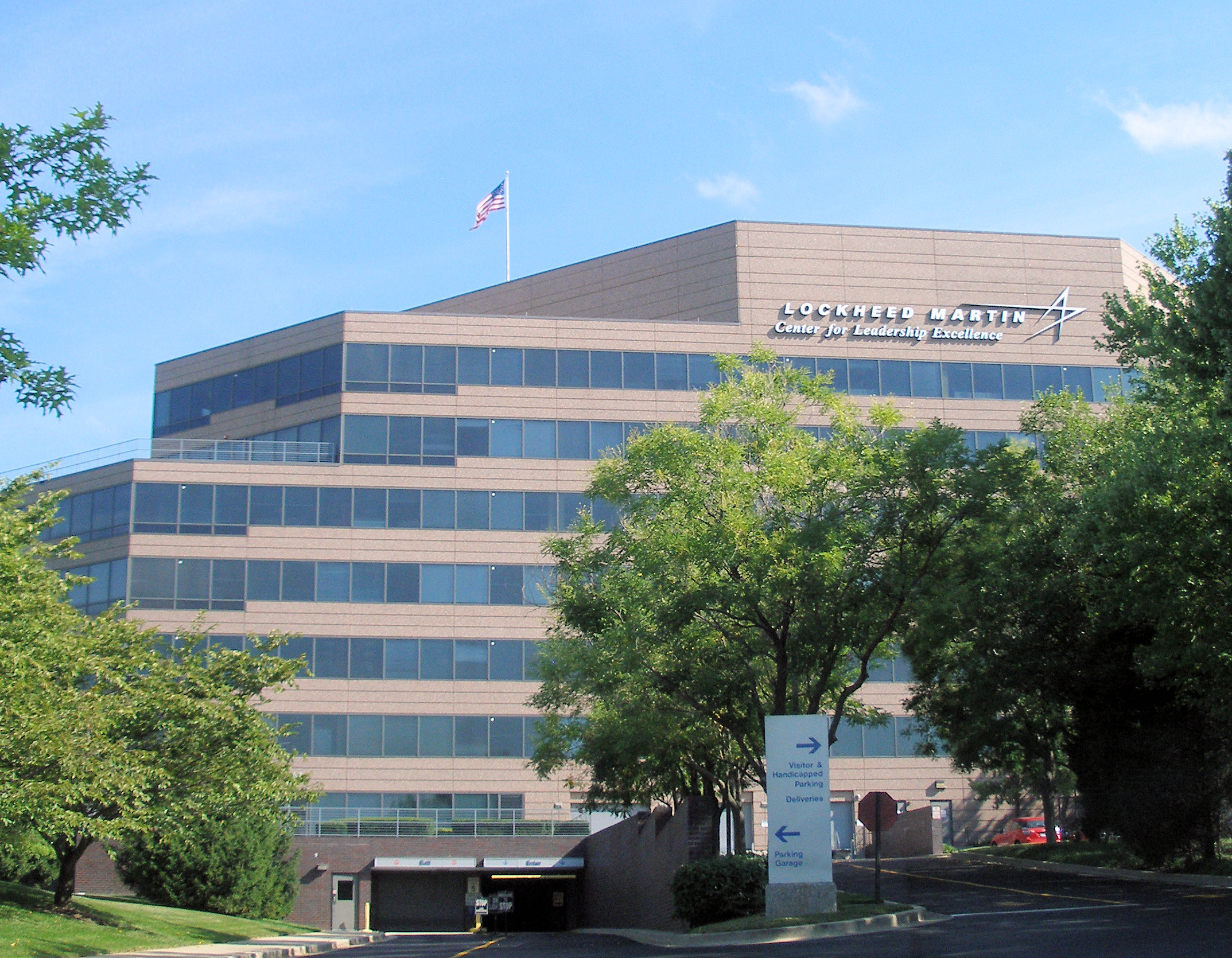
Lockheed Martin won two contracts worth up to $380 million [1] for a Foreign Military Sales (FMS) support program.
These agreements highlight the continued reliance of international partners on U.S. defense technology and the logistical infrastructure required to maintain high-tech weaponry abroad. The contracts ensure that allied nations can operate complex systems effectively through dedicated training and support.
One specific component of the deal is a $200 million [1] agreement focused on Aegis training. The Aegis Combat System is a sophisticated integrated naval weapons system used by the U.S. Navy and several allied fleets to track and intercept aircraft and missiles.
There are discrepancies in reporting regarding the scope and value of these awards. While some reports cite the $380 million [1] figure for FMS support, another report indicates a separate or larger deal worth $879 million [3] related to the F-35 fighter jet program.
Other reports have specifically attributed the recent contract wins to support for the F-35 fighter jet program [2], rather than the Aegis training and general FMS support mentioned in other accounts. These differences suggest multiple concurrent awards or varying interpretations of the contract's primary objective across different reporting outlets.
Lockheed Martin remains a primary contractor for the U.S. government's efforts to export military hardware. The FMS program allows the U.S. to manage the sale of defense equipment to foreign governments, ensuring that the technology is transferred under strict oversight, and with necessary training packages included.
“Lockheed Martin won two contracts worth up to $380 million for a Foreign Military Sales support program.”
The variation in reported figures and program names—ranging from Aegis training to F-35 support—suggests a complex series of procurement actions under the Foreign Military Sales umbrella. For Lockheed Martin, these contracts reinforce its role as a critical link in U.S. geopolitical strategy, where the sale of hardware is bundled with long-term training and support to maintain interoperability between the U.S. and its allies.


