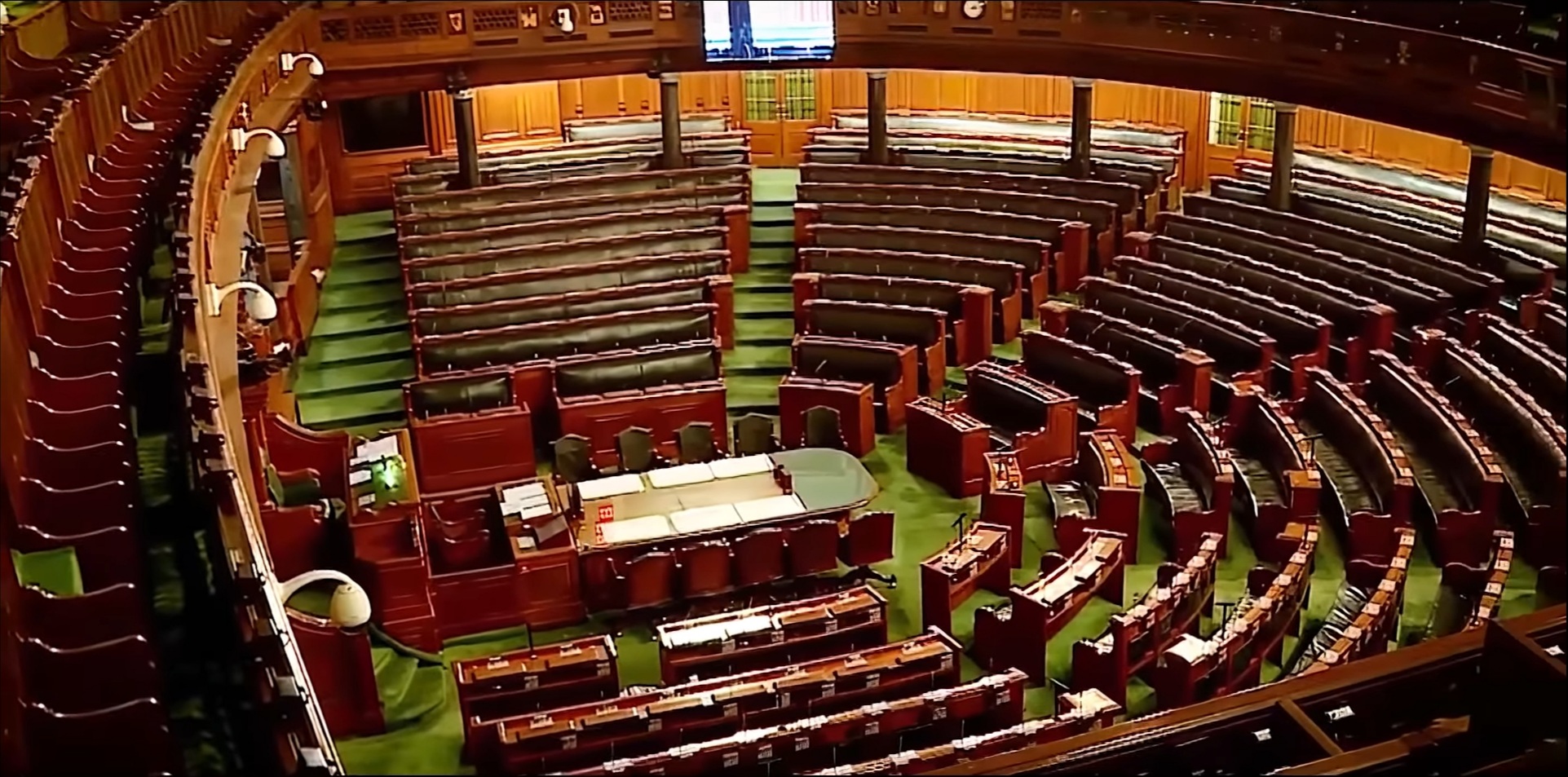
The Lok Sabha was adjourned on Monday, July 27, 2026 [3], after opposition members staged large-scale protests and sloganeering within the chamber [1].
This disruption stalls the legislative agenda of the 15-day monsoon session [4], highlighting deep political divisions over government accountability and public examination integrity.
Opposition lawmakers focused their grievances on two primary issues: a leak of the NEET exam papers, and a case involving the theft of donations intended for the Ram Temple [1]. The protests escalated into massive sloganeering, which forced the presiding officer to suspend proceedings [2].
Reports on the timing of the adjournment vary. One source said the house was adjourned until 11:00 AM [1], while another said the session was pushed back until 12:00 PM [2].
The unrest occurred as the government intended to push the Vande Mataram bill during the session [3]. However, the volatility of the chamber prevented the legislative process from advancing as planned.
These clashes are part of a broader pattern of disruption during the current monsoon session. The opposition has used the floor of the house to demand immediate government action on the paper leak scandal, which has affected thousands of students across India [1].
The adjournment reflects a stalemate between the ruling party and the opposition, with neither side finding common ground on the scheduling of debates regarding the donation theft case [2].
“The Lok Sabha was adjourned on Monday, July 27, 2026”
The repeated adjournment of the Lok Sabha underscores a growing trend of legislative paralysis in India's lower house. By centering protests on high-emotion issues like student exam integrity and religious donations, the opposition is leveraging public sentiment to obstruct the government's priority bills, such as the Vande Mataram bill, effectively turning the legislative chamber into a site of political theater rather than policy deliberation.
'%2F%3E%0A%20%20%20%20%3Crect%20width%3D'1600'%20height%3D'900'%20fill%3D'url(%23v)'%2F%3E%0A%20%20%20%20%3Cg%20opacity%3D'0.08'%20fill%3D'%23ffffff'%3E%0A%20%20%20%20%20%20%3Ccircle%20cx%3D'1420'%20cy%3D'180'%20r%3D'220'%2F%3E%0A%20%20%20%20%20%20%3Ccircle%20cx%3D'1500'%20cy%3D'760'%20r%3D'120'%2F%3E%0A%20%20%20%20%3C%2Fg%3E%0A%20%20%20%20%3Cline%20x1%3D'80'%20y1%3D'172'%20x2%3D'220'%20y2%3D'172'%20stroke%3D'%23ffffff'%20stroke-width%3D'3'%20stroke-opacity%3D'0.6'%2F%3E%0A%20%20%20%20%3Ctext%20x%3D'80'%20y%3D'140'%20font-family%3D'Inter%2C%20-apple-system%2C%20Helvetica%2C%20sans-serif'%20font-weight%3D'700'%20font-size%3D'28'%20fill%3D'%23ffffff'%20letter-spacing%3D'6'%3EHANNA%20%C2%B7%20NEWS%3C%2Ftext%3E%0A%20%20%20%20%3Ctext%20x%3D'80'%20y%3D'230'%20font-family%3D'Inter%2C%20-apple-system%2C%20Helvetica%2C%20sans-serif'%20font-weight%3D'600'%20font-size%3D'40'%20fill%3D'%23ffffffb3'%20letter-spacing%3D'4'%3EWORLD%3C%2Ftext%3E%0A%20%20%20%20%3Ctext%20x%3D'80'%20y%3D'694'%20font-family%3D'Playfair%20Display%2C%20Georgia%2C%20serif'%20font-weight%3D'800'%20font-size%3D'110'%20fill%3D'%23ffffff'%20letter-spacing%3D'-1'%3EHeavy%20Monsoon%20Floods%20Hit%3C%2Ftext%3E%3Ctext%20x%3D'80'%20y%3D'820'%20font-family%3D'Playfair%20Display%2C%20Georgia%2C%20serif'%20font-weight%3D'800'%20font-size%3D'110'%20fill%3D'%23ffffff'%20letter-spacing%3D'-1'%3ESouth%20Gujarat%3C%2Ftext%3E%0A%20%20%20%20%3Ctext%20x%3D'80'%20y%3D'870'%20font-family%3D'Inter%2C%20-apple-system%2C%20Helvetica%2C%20sans-serif'%20font-weight%3D'500'%20font-size%3D'22'%20fill%3D'%23ffffff66'%20letter-spacing%3D'2'%3Enews.hanna-ai.com%3C%2Ftext%3E%0A%20%20%3C%2Fsvg%3E)

