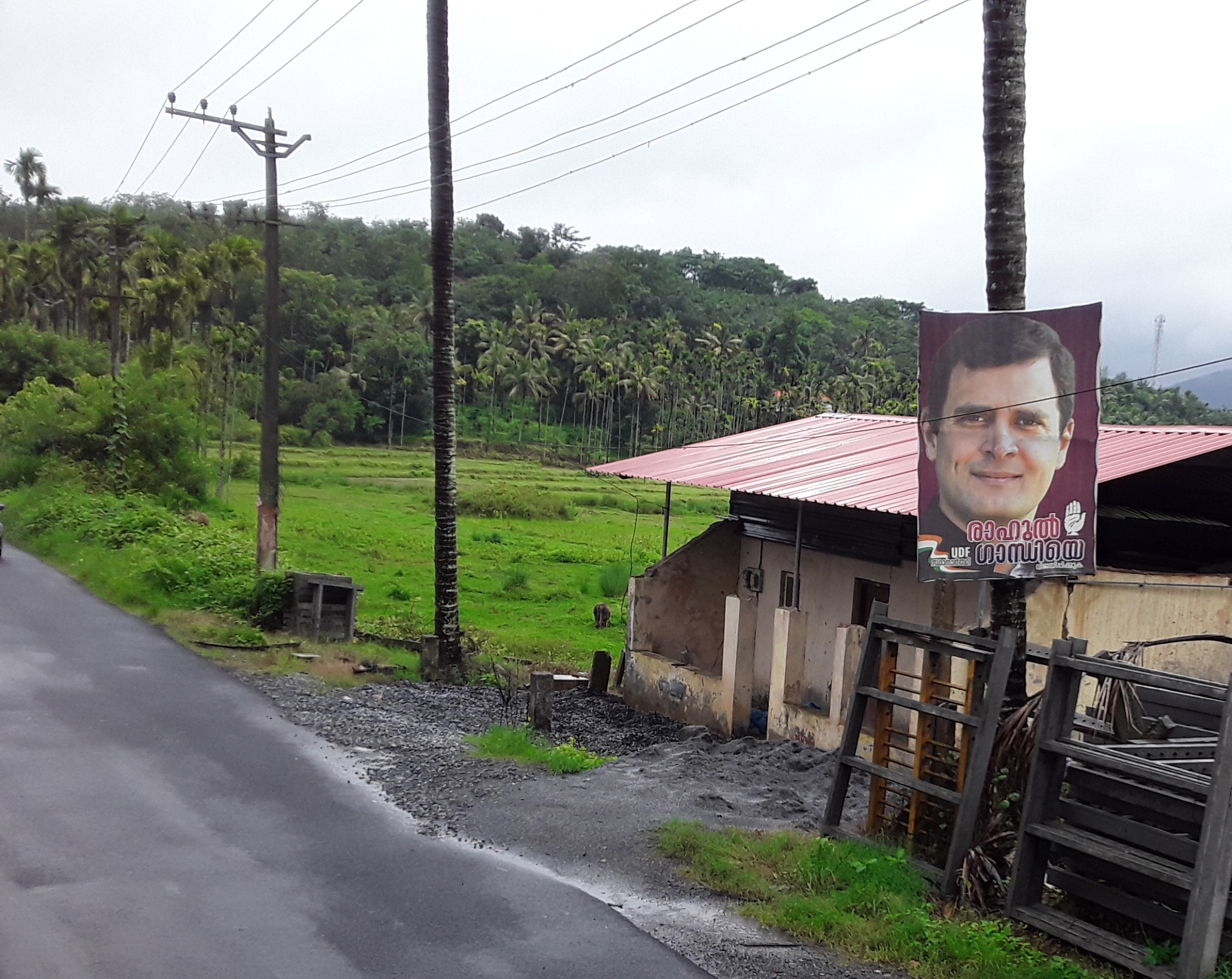
The Lok Sabha adjourned on Friday, July 24, 2026 [1], after Opposition leader Rahul Gandhi demanded the resignation of Union Education Minister Dharmendra Pradhan.
The standoff highlights a deepening political crisis over the integrity of the National Eligibility cum Entrance Test (NEET). The Opposition maintains that the government is responsible for a paper leak that compromised the examination, making the minister's presence in the house a barrier to productive debate.
Gandhi said he was not allowed to speak and called for immediate accountability regarding the leak. He presented a set of specific requirements to the house to resolve the impasse.
"We have three demands: 1. The Education Minister should resign; 2. A case should be registered against those who ..." Gandhi said [4].
The dispute has paralyzed legislative proceedings for five days [2]. While some reports indicate the government advocated for an unconditional debate, the Opposition refused to proceed unless Pradhan stepped down and a criminal investigation was initiated [3], [5].
The tension peaked with members of the Opposition raising slogans calling for the dismissal of the minister inside the chamber. This disruption led to the decision to suspend the session. The Lok Sabha is now scheduled to reconvene on Monday, July 27, 2026 [3].
This adjournment marks a significant escalation in the NEET controversy, as the Opposition has shifted its focus from policy failure to personal accountability for the Union Minister. The refusal to debate without a resignation indicates that the Opposition views the paper leak not as an administrative error, but as a criminal matter requiring leadership changes.
“"The Education Minister should resign; 2. A case should be registered against those who..."”
The adjournment of the Lok Sabha over the NEET leak indicates a transition from a standard policy debate to a high-stakes political confrontation. By demanding the resignation of Dharmendra Pradhan as a prerequisite for discussion, the Opposition is attempting to establish a precedent of ministerial accountability for examination failures. This deadlock suggests that the government faces significant pressure to provide a legal or administrative resolution to the leak allegations before legislative business can resume.