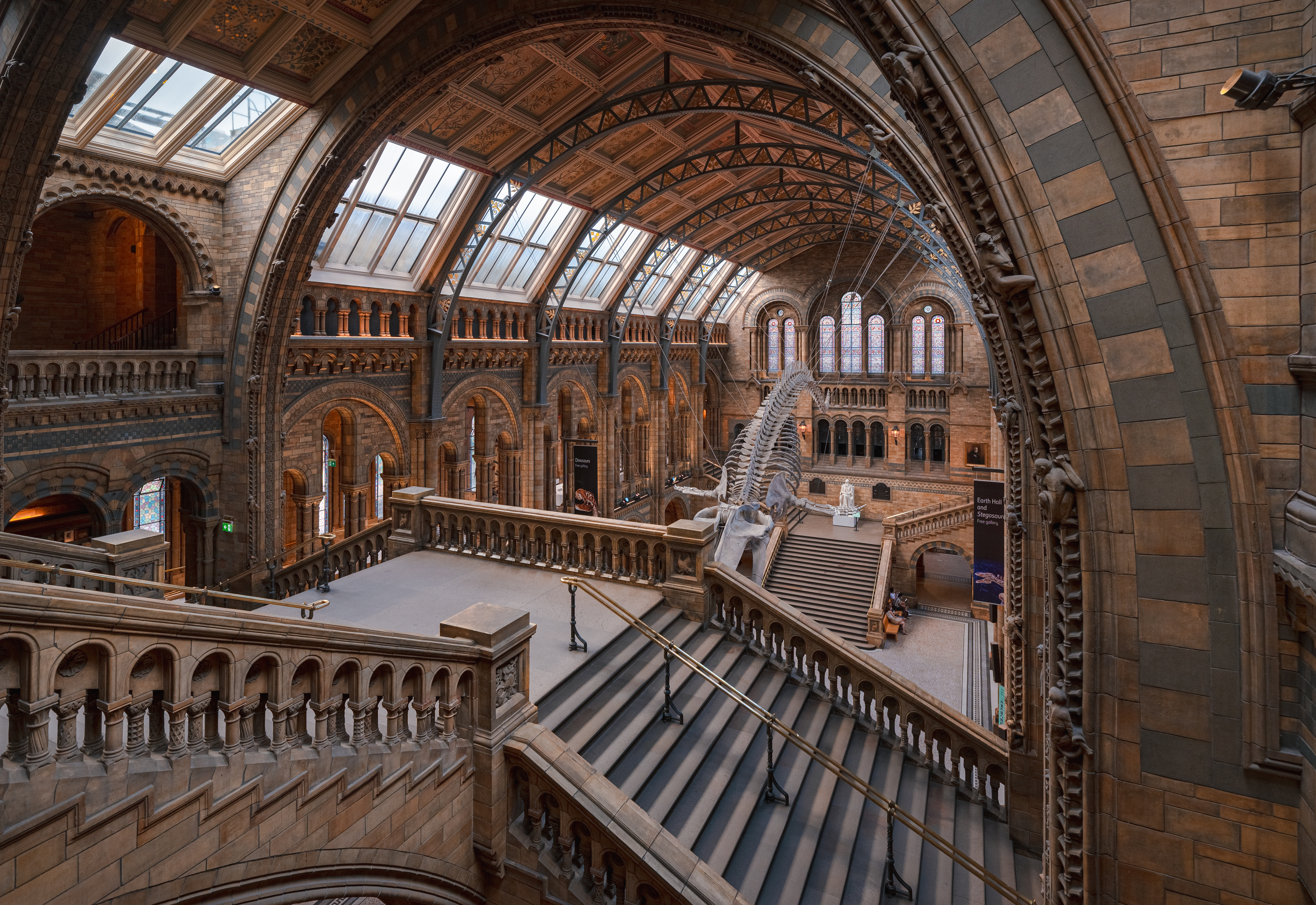
The Natural History Museum in London has opened a new exhibition featuring giant Jurassic marine reptiles.
The display provides a rare look at the apex predators of the prehistoric seas. By showcasing these creatures, the museum aims to educate the public on the biological diversity and environmental conditions of the Jurassic period.
The exhibition focuses on the marine reptiles that dominated the global oceans nearly 200 million years ago [1], [2]. These "ocean giants" represent a pivotal era of evolution where reptiles returned to aquatic environments to fill ecological niches left by previous species.
Visitors to the London institution can explore the anatomy and hunting behaviors of these creatures. The museum designed the exhibit to highlight the scale of these reptiles compared to modern marine life, emphasizing the sheer size of the prehistoric predators.
Curators at the Natural History Museum said the exhibit serves as a gateway for visitors to understand how marine ecosystems have shifted over millions of years. The collection includes specimens that illustrate the transition from land-based ancestors to fully aquatic hunters.
The exhibition is now open to the public in the United Kingdom. It utilizes a combination of fossils and educational displays to recreate the underwater world of the Jurassic era [1].
“The Natural History Museum in London has opened a new exhibition featuring giant Jurassic marine reptiles.”
This exhibition underscores the Natural History Museum's role in synthesizing paleontological data for public consumption. By focusing on the Jurassic marine period, the museum highlights the cyclical nature of planetary dominance and the evolutionary adaptations required for species to transition between terrestrial and aquatic environments.


