
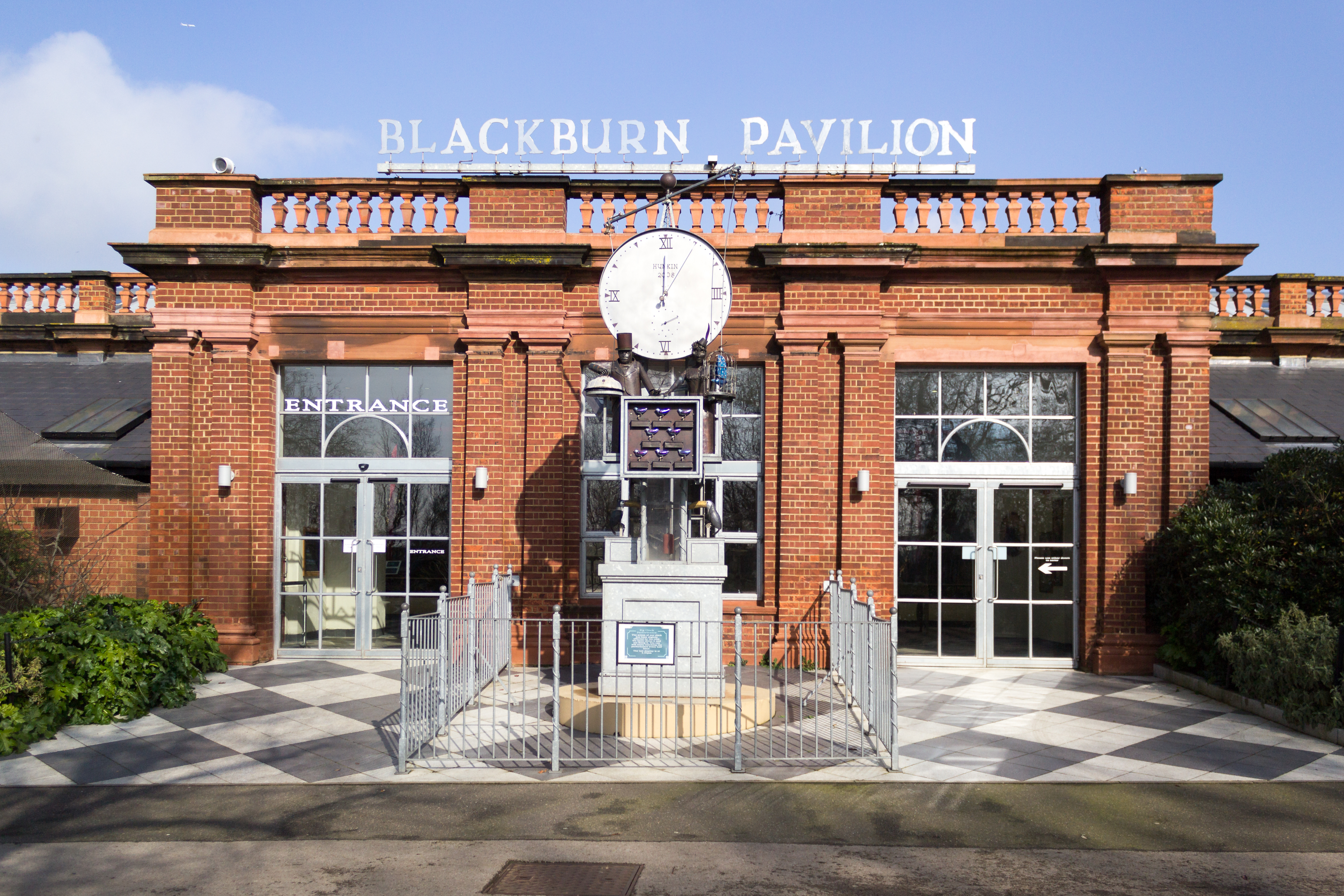
London Zoo's secret zoo is celebrating its 75th anniversary [1].
The milestone marks the evolution of a site that transitioned from a mid-century public attraction to a critical hub for wildlife preservation. This shift reflects a broader global change in how zoological institutions approach species survival and habitat protection.
The facility was established in 1951 [2] as a component of the pleasure gardens for the Festival of Britain. At its inception, the gardens served as a celebratory display of British achievement and recovery following the Second World War, a project designed to inspire the public through art and nature.
Over the decades, the purpose of the secret zoo shifted away from mere exhibition. It has since become a leading center for animal conservation [1]. The facility now focuses on the management of rare breeds, and the implementation of science-based strategies to prevent extinction.
By maintaining a focus on conservation, the site ensures that the legacy of the 1951 [2] gardens continues to serve a modern ecological purpose. The institution now integrates research and breeding programs to support biodiversity in the wild.
As the zoo reaches this 75-year mark [1], it stands as a testament to the changing philosophy of animal captivity. The transition from a pleasure garden attraction to a conservation leader highlights the increasing urgency of protecting endangered species in an era of rapid environmental change.
“London Zoo's secret zoo is celebrating its 75th anniversary”
The transformation of the secret zoo from a festive attraction to a conservation center mirrors the wider institutional shift in zoology. Modern zoos are moving away from the 'menagerie' model of the early 20th century toward a 'conservation' model, where the primary goal is the genetic survival of species rather than public entertainment.


