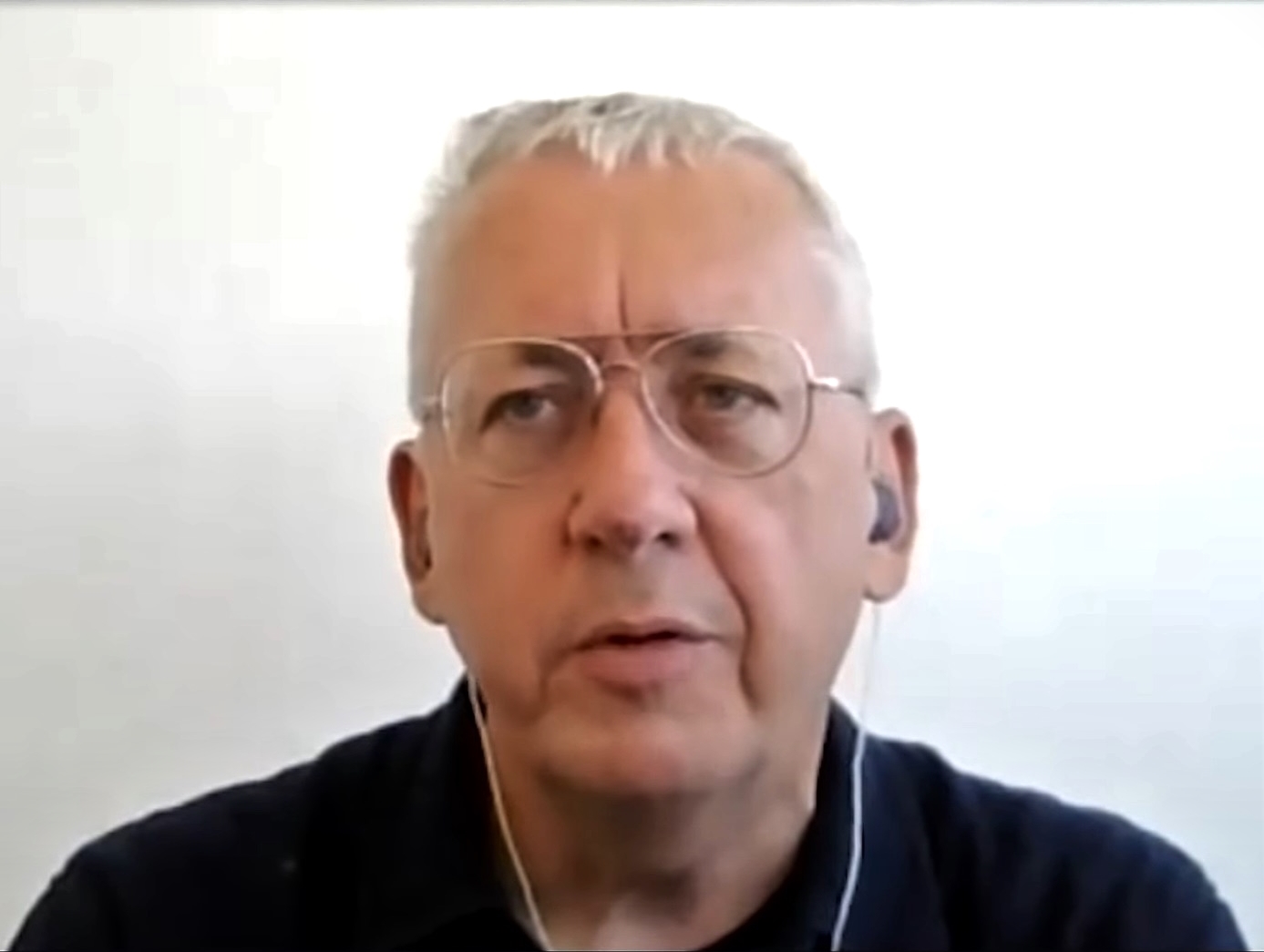
Supreme Court Justice Ricardo Lorenzetti said there is nothing more to say following the conviction of former President Cristina Kirchner [1].
The statement arrives as Argentina continues to navigate the legal fallout of the Vialidad corruption case. This conviction marks a significant moment in the country's judicial history, as it involves a former head of state facing charges related to public works contracts.
Lorenzetti addressed the media regarding the court's position on the matter. The justice said that the legal system has already spoken on the Vialidad case, leaving no room for further commentary or deliberation from his office [1].
"NO HAY MÁS NADA QUE DECIR," Lorenzetti said [1].
The Vialidad case centered on allegations of systemic corruption in the administration of roadworks. The judicial process has been lengthy, involving extensive evidence, and testimony regarding the diversion of public funds during Kirchner's tenure.
Because the judiciary has already issued its ruling, Lorenzetti said that the matter is settled. He declined to provide further details or interpretations of the verdict, emphasizing the finality of the legal proceedings [1].
“"NO HAY MÁS NADA QUE DECIR"”
The refusal of a Supreme Court justice to offer further commentary suggests a judicial desire to avoid political entanglement following a high-profile verdict. By declaring the matter closed, the court signals that the legal process has reached its conclusion, effectively shifting the focus from judicial deliberation to the execution of the sentence and any subsequent political appeals.