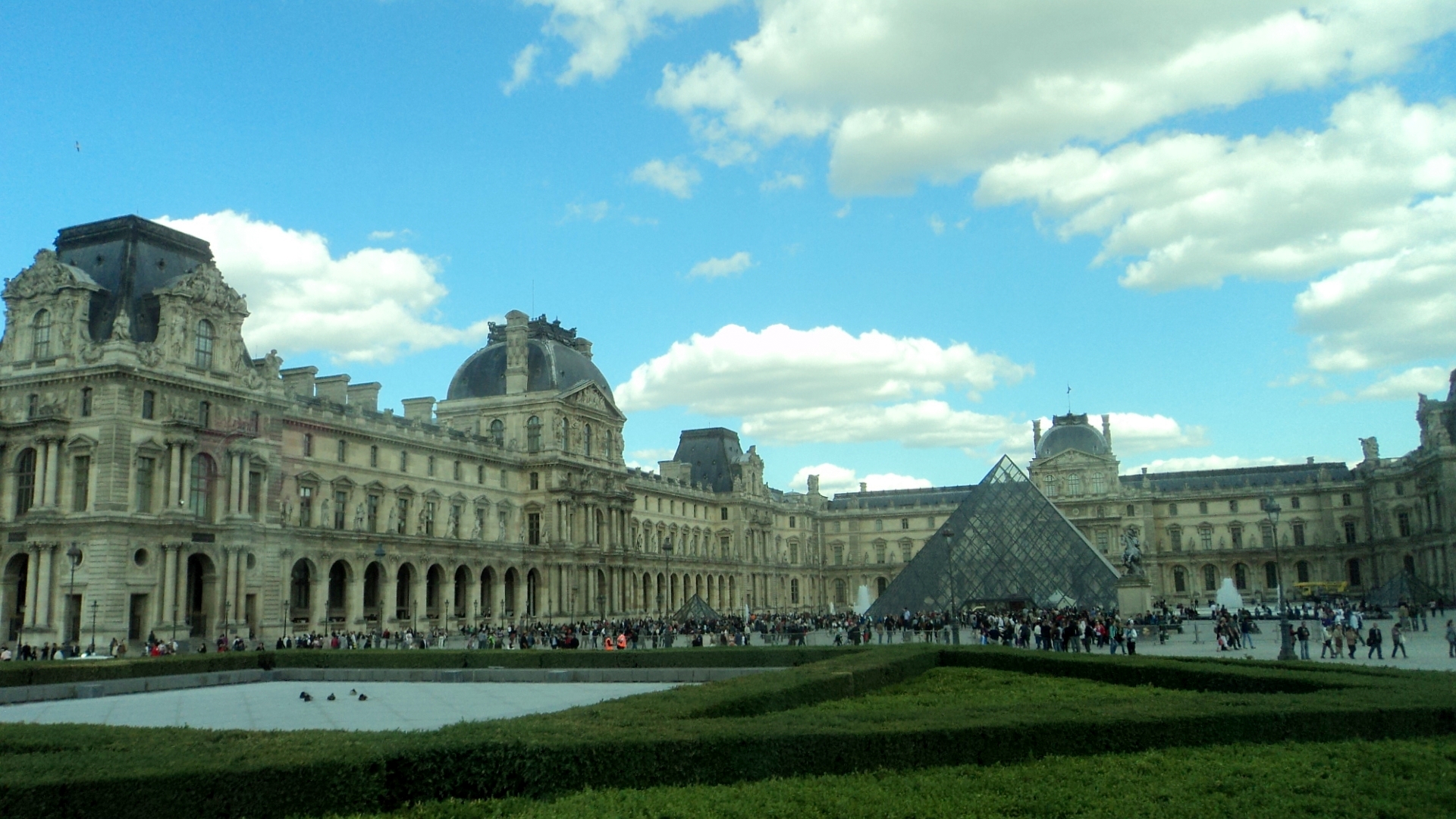
The Louvre Museum in Paris reopened its Apollo Gallery to the public on Wednesday, July 22, 2026, without its crown jewels on display [4].
The reopening marks a tentative return to normalcy for one of the world's most visited museums after a high-profile security breach. The absence of the jewels underscores the ongoing impact of the theft and the museum's current prioritize-security approach.
The gallery had been closed for nine months [2] following a brazen daytime heist. During that incident, thieves managed to steal the crown jewels in under eight minutes [3]. The stolen assets are valued at approximately €88 million, or about $102 million [1].
Museum officials said they decided to reopen the space to allow visitors to experience the 17th-century ceremonial architecture. While the gallery is once again accessible, the crown jewels have not returned to their pedestals. Instead, the remaining pieces of the collection have been moved to a secure vault for protection.
The Apollo Gallery is renowned for its gilded ceilings and Greek frescoes, which remain a primary draw for tourists. By separating the architectural experience from the jewelry display, the Louvre aims to restore public access while mitigating further risk to its remaining treasures.
Security protocols at the museum have remained under scrutiny since the theft. The decision to keep the jewels in a vault suggests that the museum does not yet feel the gallery is sufficiently secure for the return of its most valuable portable artifacts.
“The gallery had been closed for nine months following a brazen daytime heist.”
The decision to reopen the Apollo Gallery without its primary treasures indicates a compromise between the Louvre's mandate for public accessibility and the necessity of asset protection. By keeping the jewels in a secure vault, the museum acknowledges that the vulnerability exposed by the eight-minute heist has not been fully resolved to a level that allows for public display.


