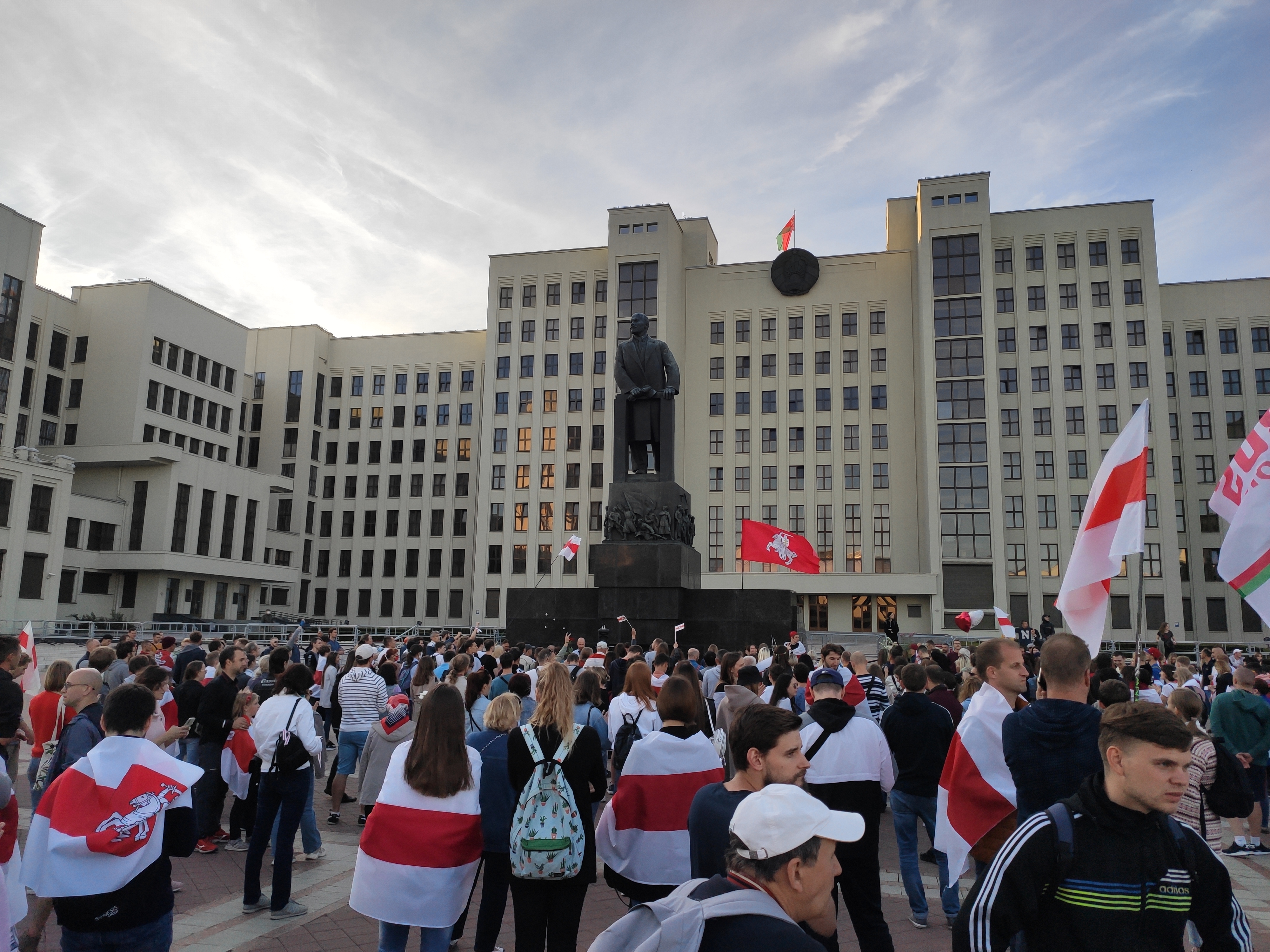
Belarus President Alexander Lukashenko apologized to Ukrainian President Volodymyr Zelenskyy on Tuesday for previous sharp statements [1].
The gesture comes amid ongoing regional instability and serves as an attempt to lower tensions between the two nations. By distancing himself from the prospect of direct military involvement, Lukashenko seeks to reassure Kyiv that Belarus will not join Russian aggression [2].
During a televised address in Belarus on June 16, 2026 [1], Lukashenko addressed his previous rhetoric. He expressed a willingness to reconcile with the Ukrainian leader to prevent further diplomatic deterioration.
"I am ready to apologize to the President of Ukraine, Volodymyr Zelenskyy, for my previous sharp statements," Lukashenko said [3].
Beyond the apology, the Belarusian leader addressed the security concerns of the Ukrainian government. He attempted to provide guarantees regarding the neutrality of Belarusian territory in the current conflict.
"Military actions should not be expected from the side of Belarus," Lukashenko said [1].
Despite these assurances, the regional security environment remains volatile. Lukashenko maintained a cautious tone during the broadcast, suggesting that the apology was contingent on the perceived offense taken by the Ukrainian side.
"If he is offended, I apologize," Lukashenko said [4].
This public reversal marks a shift in tone from previous communications. The address was intended to mitigate the risk of an escalation that could draw Belarus directly into the fighting [2]. However, the sincerity of these claims remains a point of contention among international observers and military analysts.
“"I am ready to apologize to the President of Ukraine, Volodymyr Zelenskyy, for my previous sharp statements."”
Lukashenko's public apology represents a tactical diplomatic maneuver to reduce the immediate pressure on the Belarusian border. While the statements aim to project a non-aggressive stance, they contrast with reports that Ukraine continues to prepare for potential Russian offensives launched from Belarusian soil. This discrepancy suggests that while the rhetoric has softened, the strategic military risk remains a primary concern for Kyiv.

