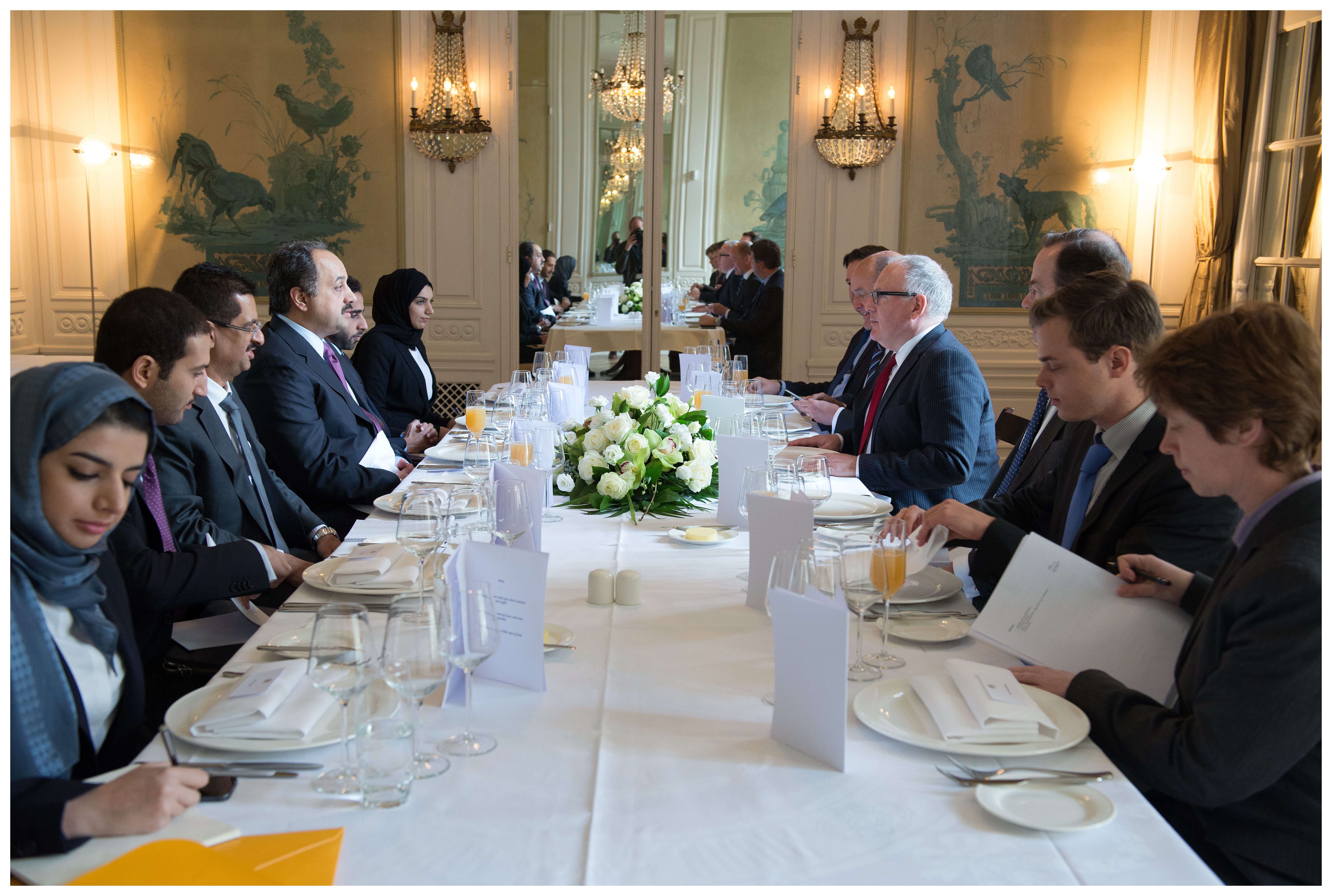
Professor Luke O'Neill of Trinity College Dublin said the public should not worry about the spread of hantavirus [1].
The reassurance comes as the virus becomes a subject of diplomatic and public health discussion across Europe. Addressing the situation helps prevent unnecessary panic while health officials monitor the virus's behavior and transmission patterns.
O'Neill provided these insights in Brussels, where EU ambassadors were meeting to discuss the current situation [1]. The discussions in the Belgian capital aimed to coordinate responses and assess the level of risk posed to the European population.
During the briefing, O'Neill sought to lower the temperature of the public discourse. He said that the current state of the virus does not warrant a state of emergency or widespread fear [1].
"Don’t worry. Don’t worry at all," O'Neill said [1].
His comments suggest that despite the discussions among high-level diplomats in Brussels, the actual risk to the general public remains low. The focus of the EU ambassadors was to ensure that member states are informed, but O'Neill said that the situation does not require alarm [1].
Public health experts typically monitor hantavirus because it is often transmitted through contact with rodent droppings, or urine. While the virus can cause severe respiratory issues, O'Neill's guidance indicates that the current circumstances do not present an imminent threat to the broader population [1].
“"Don’t worry. Don’t worry at all."”
The intervention by a high-ranking academic like Professor O'Neill serves as a critical counter-narrative to the anxiety that often accompanies diplomatic briefings. By dismissing the need for alarm while EU ambassadors meet in Brussels, O'Neill is signaling that the political discussion of the virus is a matter of routine surveillance rather than a response to an active outbreak.