President Luiz Inácio Lula da Silva's government is evaluating an offensive to fire political appointees linked to Senator Davi Alcolumbre [1].
The potential move follows a significant legislative defeat for the administration. The Senate rejected the nomination of Jorge Messias to the Supreme Federal Court (STF), a failure attributed to the influence of Alcolumbre [1].
This tension was the focus of a discussion on the TV program “O Grande Debate,” which aired on Friday, Nov. 1 [1]. The program, which broadcasts nightly at 11 p.m. [2], featured analysis from commentator José Eduardo Cardozo and ex-senator and journalist Ana Amélia Lemos [1].
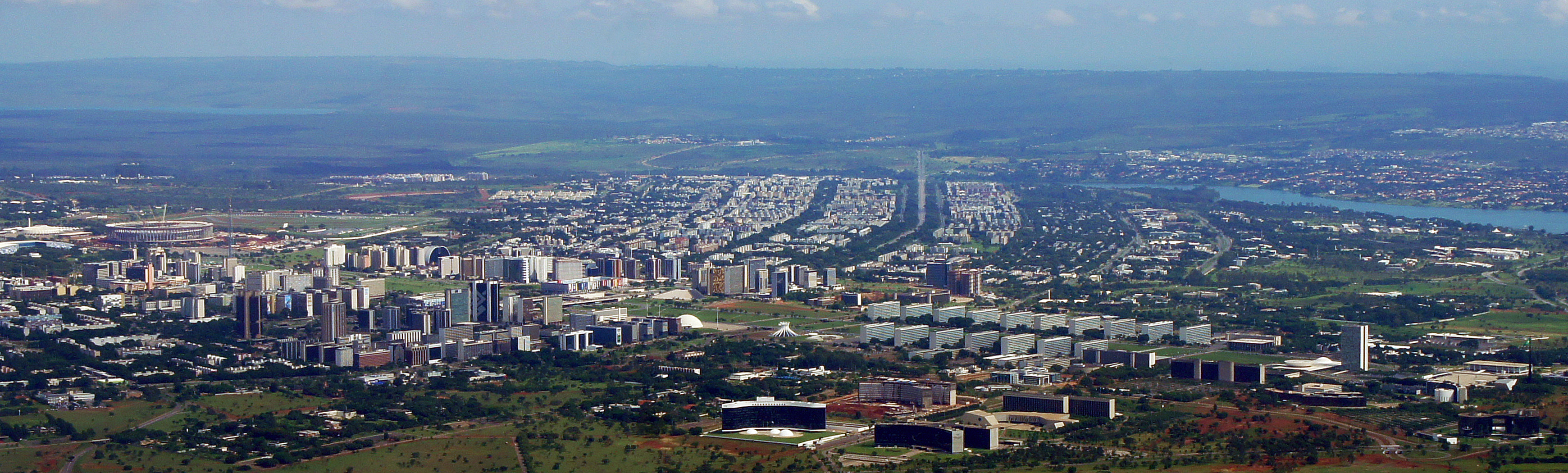
The administration is weighing whether to fire occupants of trust positions—roles that are typically used as political currency in Brasília—to signal a lack of cooperation. This strategy would target officials linked to Alcolumbre's sphere of influence in the Esplanada dos Ministérios [1].
Such a move would mark a sharp escalation in the relationship between the executive branch and the Senate. The rejection of Messias represents a blow to the president's ability to shape the judiciary, as the STF plays a central role in the legal and political stability of the country [1].
The debate over retaliation centers on whether the government can afford to alienate a powerful senator or if the cost of inaction is higher. The administration must balance the need for legislative support with the necessity of maintaining authority over its own appointments [1].
“The Lula government is evaluating an offensive to fire occupants of trust positions linked to Senator Davi Alcolumbre.”
This situation highlights the fragile nature of the 'presidencialismo de coalizão' in Brazil, where the executive branch relies on distributing administrative posts to maintain legislative support. By considering the firing of Alcolumbre's allies, the Lula administration is testing whether the political cost of a public rift is preferable to accepting a defeat in the appointment of a high-court judge.


