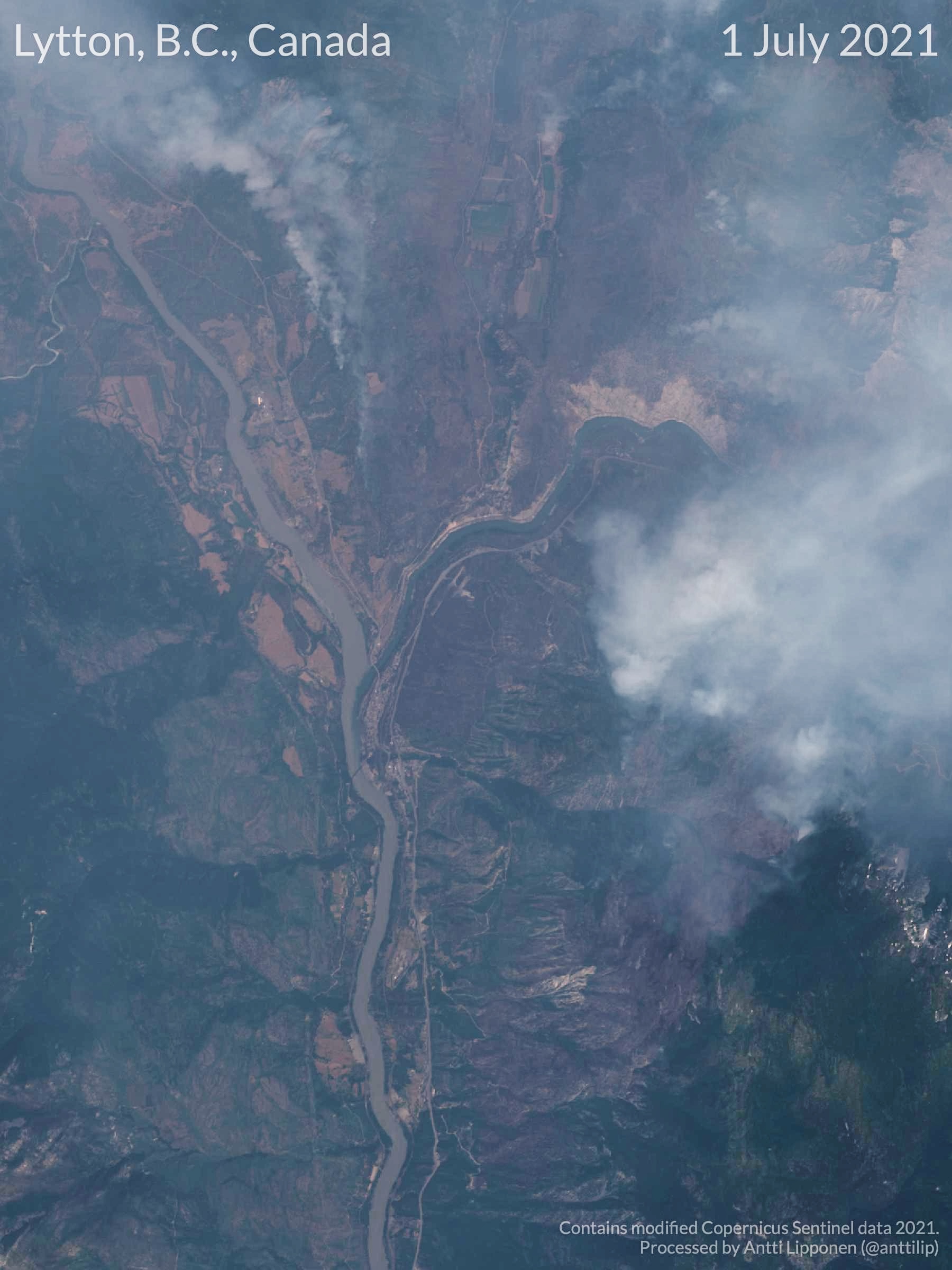
A small coal train derailed near Lytton, British Columbia [1].
Rail incidents in this region can lead to significant environmental contamination and disrupt critical transport corridors used for resource exports. The impact of such accidents often depends on the volume of cargo lost during the event.
According to reports from the CBC, the incident occurred in the vicinity of Lytton [1]. Local officials have provided updates regarding the status of the cargo following the derailment. They said there was no coal spillage [1].
The lack of spillage reduces the immediate environmental risk to the surrounding terrain, and waterways. Emergency crews and rail operators typically assess the track integrity and the condition of the rolling stock before attempting to clear the wreckage.
Transportation officials have not yet released a cause for the derailment. The investigation will likely focus on track conditions and mechanical failures to determine why the train left the rails [1].
“A small coal train derailed near Lytton, British Columbia.”
The absence of cargo spillage prevents this derailment from becoming an environmental crisis, but the event highlights the ongoing vulnerability of rail infrastructure in British Columbia's rugged terrain. Repeated incidents in this corridor can lead to increased regulatory scrutiny and demands for infrastructure upgrades to ensure the stability of resource transport.


