
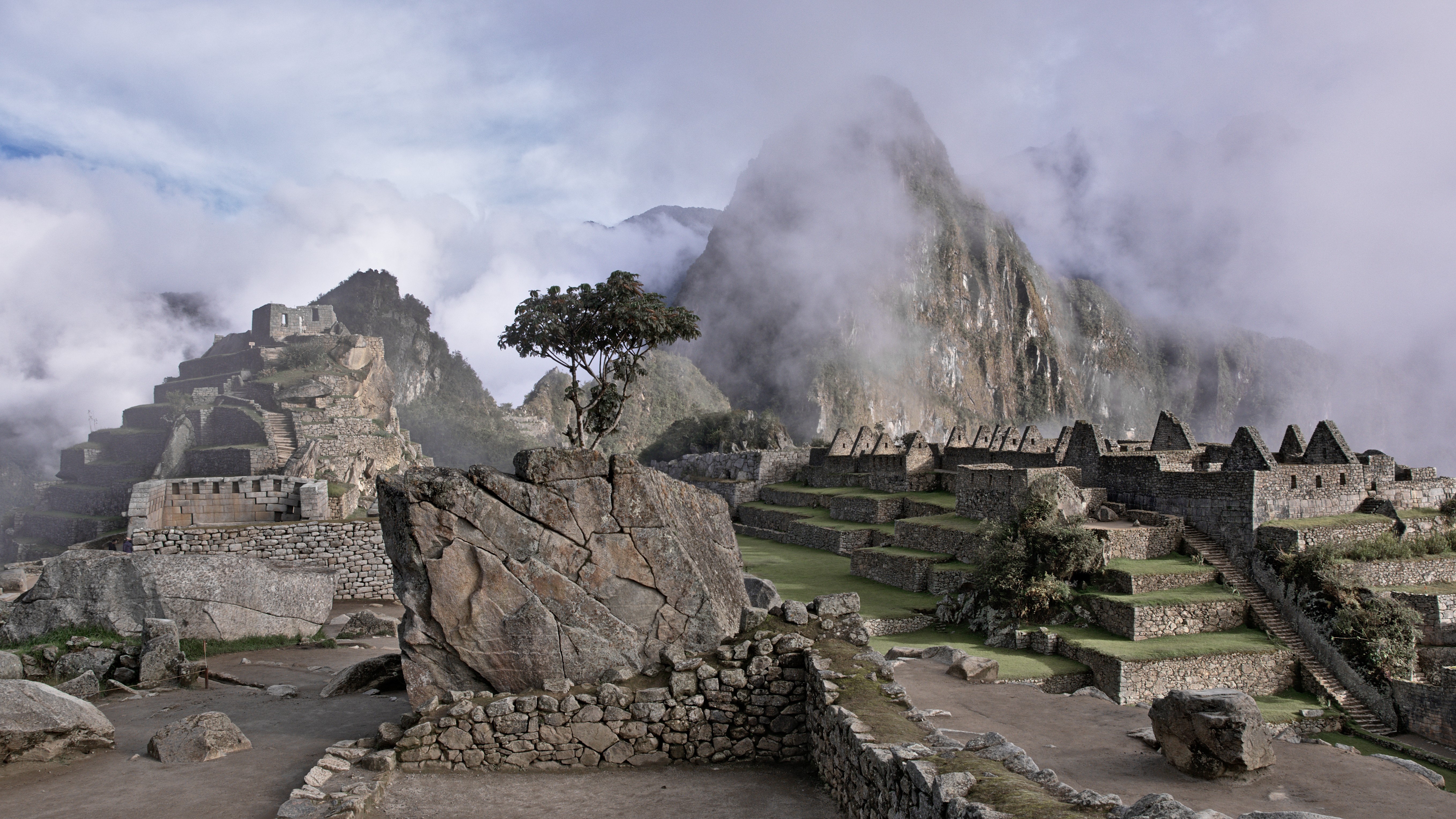
A global heritage foundation has offered to work with Peruvian authorities to address critical overtourism at Machu Picchu [1, 2].
The proposal comes as the iconic site struggles to manage a surge of visitors that threatens both the visitor experience and the physical integrity of the ruins. If left unmanaged, the logistical failures and overcrowding could jeopardize the site's status as a global landmark.
Visitors to the Sacred Valley have reported that the experience is becoming a nightmare due to extreme overcrowding [1, 3]. The issues manifest primarily as long queues and significant transport problems for those attempting to reach the citadel [1, 3]. These bottlenecks have created a disconnect between the site's reputation as a bucket-list destination and the actual conditions on the ground [1].
The foundation's offer of cooperation aims to improve site conditions and implement better management strategies [1, 2]. While specific terms of the partnership have not been detailed, the focus remains on mitigating the impact of high visitor volumes on the local infrastructure [1, 2].
Peruvian officials are now facing pressure to modernize the transport and entry systems to prevent further degradation of the visitor experience [1, 2]. The current situation highlights a growing tension between the economic benefits of mass tourism and the necessity of preservation [1].
Machu Picchu remains one of the most visited sites in South America, but the lack of sustainable crowd control has led to systemic failures in the Sacred Valley's transit network [1, 3]. The global heritage foundation said that a collaborative approach is the only way to ensure the site remains accessible without being destroyed by its own popularity [1, 2].
“A bucket list ‘dream’ is turning into a ‘nightmare’ for visitors”
The situation at Machu Picchu reflects a broader global trend of 'overtourism,' where the popularity of a site exceeds its physical and logistical capacity. The intervention of a global heritage foundation suggests that local management is no longer sufficient to handle the scale of international demand. This may lead to stricter quotas, higher entry fees, or more rigid scheduling to preserve the site's structural integrity.


