
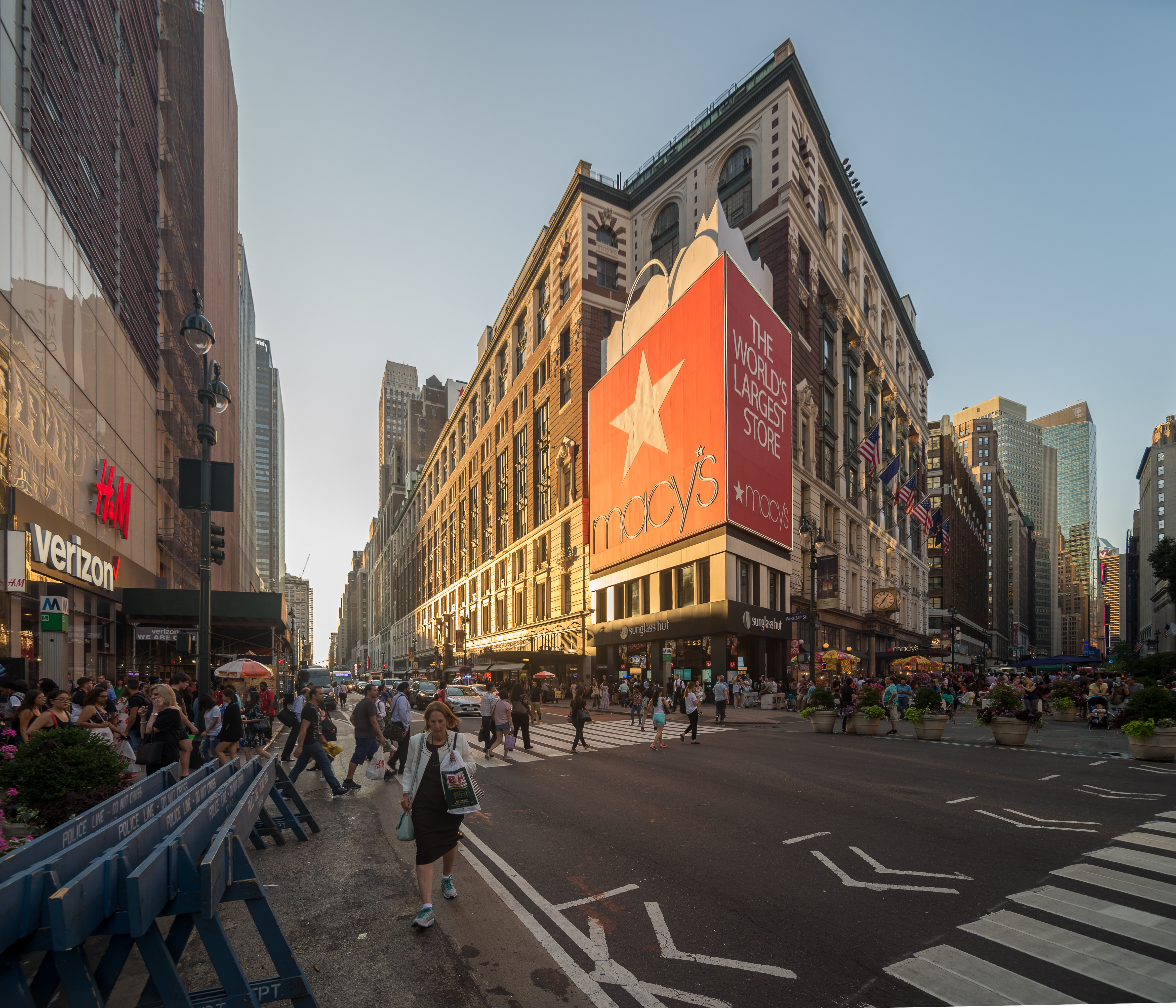
Macy's Inc. reported its strongest first-quarter comparable-sales growth in four years on Wednesday, June 3, 2026.
The results signal a potential recovery for the U.S. department store sector, which has struggled with shifting consumer habits and economic volatility. By raising its fiscal 2026 guidance, the company suggests that its current strategic pivot is offsetting broader worries regarding consumer spending.
The growth is attributed to a turnaround strategy led by CEO Tony Spring. This plan focuses on closing underperforming locations and investing in luxury brands to attract a multi-generational customer base. As part of this effort, the company has revamped more than 200 stores [4].
Performance was particularly strong within the company's luxury segment. Bloomingdale's saw a comparable-sales increase of 10.2% [1]. This growth reflects the company's move toward higher-end offerings to drive revenue while the main Macy's brand undergoes a fleet modernization.
Looking ahead, the company updated its expectations for the remainder of the fiscal year. Macy's provided guidance for overall comparable-sales growth between 0.5% and 1.5% [2]. The company also set its guidance for adjusted earnings per share (EPS) in a range from -$0.01 to +$0.01 [3].
These figures come despite lingering concerns about the general health of the retail market. The company's focus on improving the customer experience and refining its store footprint has allowed it to maintain momentum during a period of consumer uncertainty.
“Macy's Inc. reported its strongest first-quarter comparable-sales growth in four years”
The shift toward luxury and a smaller, more efficient store fleet indicates a move away from the mass-market department store model. By leaning into the high-end performance of Bloomingdale's, Macy's is insulating itself from the volatility of middle-income consumer spending, effectively pivoting from a volume-based strategy to a value-based one.


