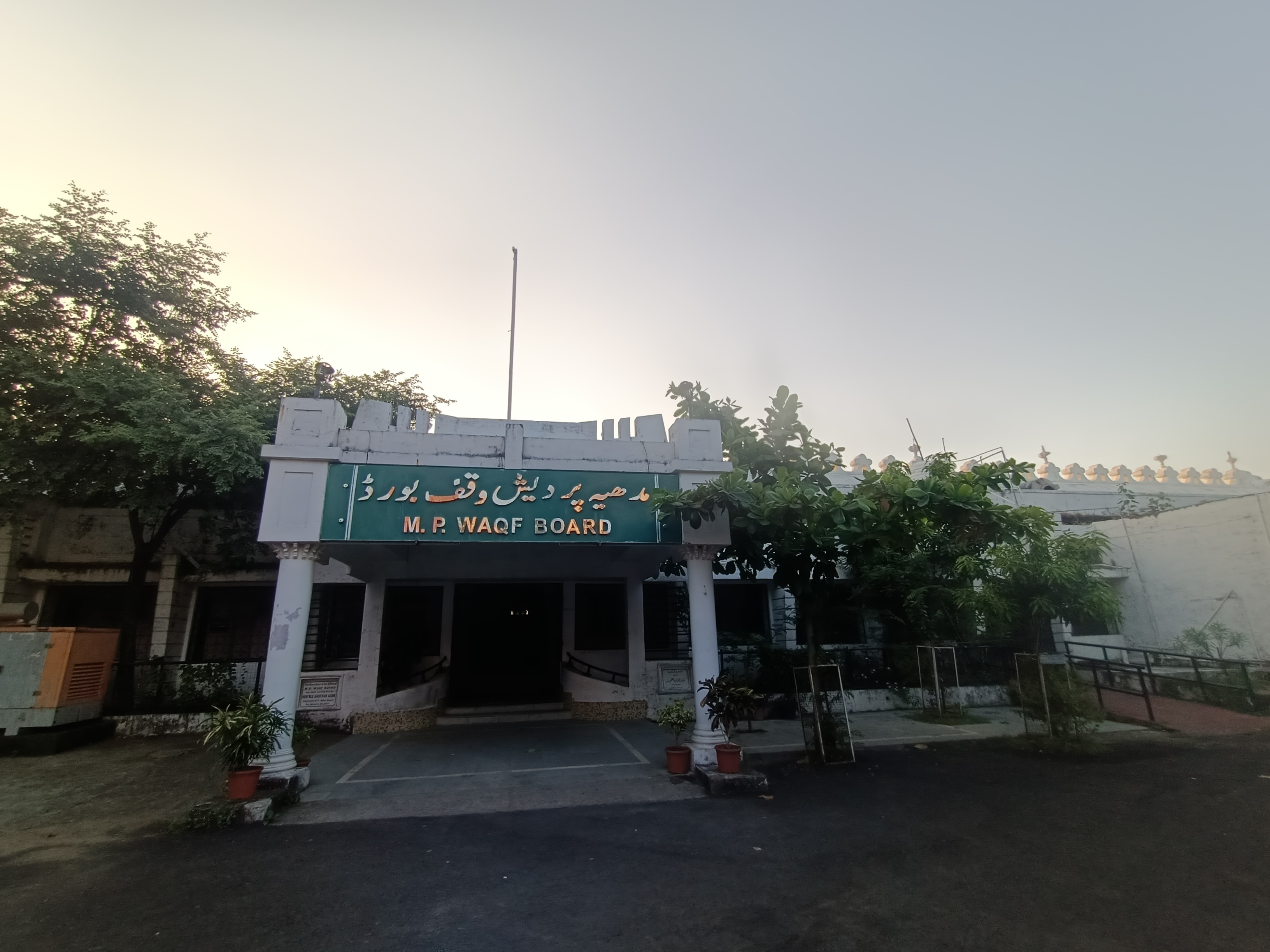
Madhya Pradesh has become the first Indian state to reconstitute its Waqf Board to include two Hindu members [1].
The move signals a significant shift in the administration of Islamic endowments in India. By implementing the 2025 amendment, the state government is testing the legal and political boundaries of religious asset management, a move that has already sparked friction between the ruling party and the opposition.
The newly formed board consists of 10 members [1] and is headed by Sanwar Patel. This reorganization follows the requirements of the Waqf (Amendment) Act, 2025 [3]. Specifically, Section 14(1)(f) of the act provides that two members of the board, excluding ex-officio members, shall be non-Muslim [3].
Chief Minister Mohan Yadav and the state government said the reconstitution was necessary to comply with the federal law. The inclusion of two Hindu members [1] brings the state into alignment with the statutory mandate for non-Muslim representation on these boards.
However, the decision has met with criticism from political opponents. Arif Masood, a Congress MLA, said the move is premature with the case still under Supreme Court review.
The Waqf Board manages properties and endowments donated for religious or charitable purposes under Islamic law. The 2025 legislation seeks to broaden the composition of these boards to include a more diverse range of members, including non-Muslims, to oversee the administration of these lands [3].
“Madhya Pradesh has become the first Indian state to reconstitute its Waqf Board to include two Hindu members”
The reconstitution of the Madhya Pradesh Waqf Board serves as a bellwether for other Indian states. By being the first to implement the 2025 amendment, the state is establishing a precedent for the inclusion of non-Muslims in the governance of Islamic endowments. This transition may lead to further legal challenges in the Supreme Court regarding the autonomy of religious boards and the extent of state intervention in communal property management.


