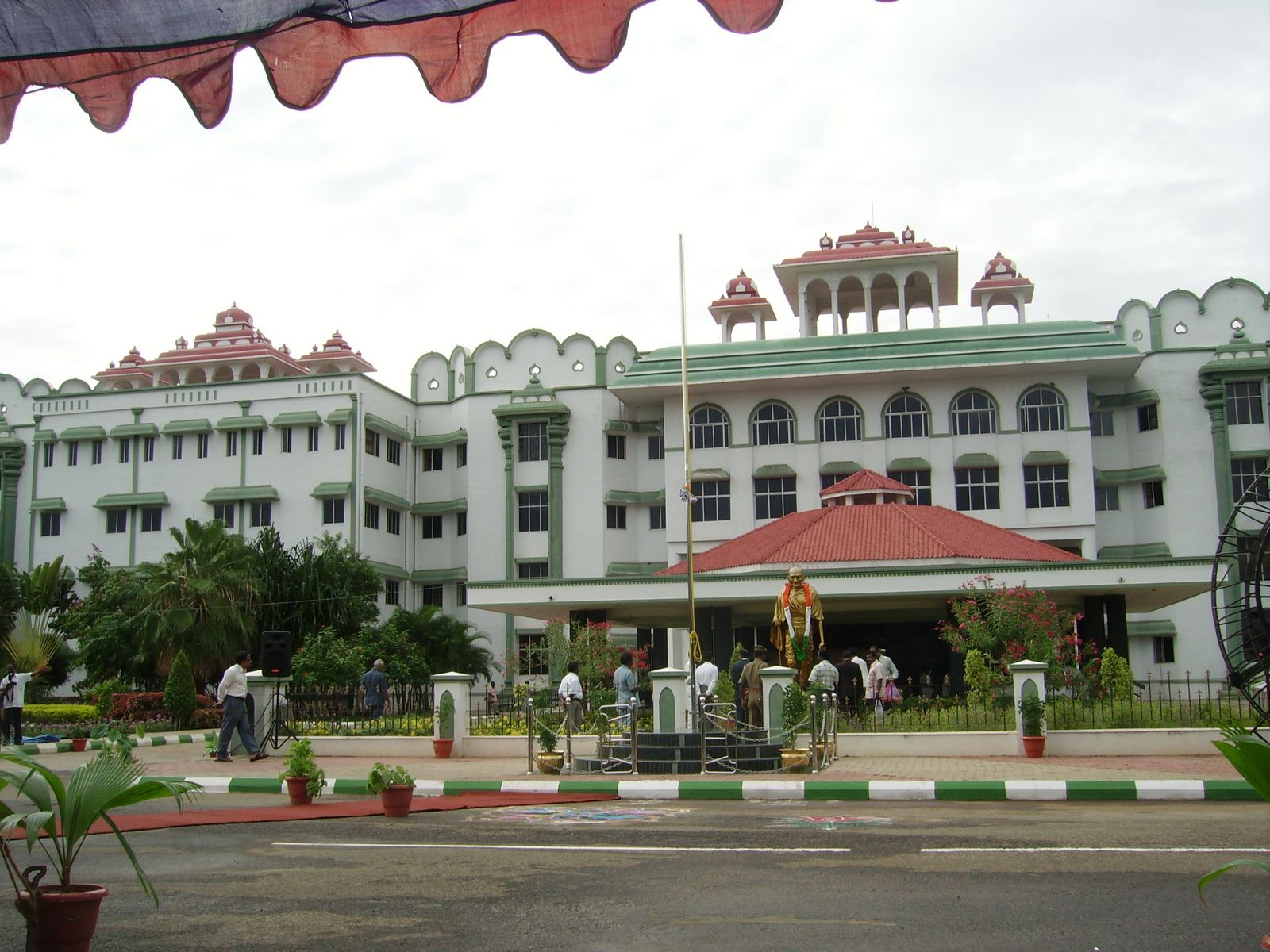
The Madurai Bench of the Madras High Court said no one has the right to pollute a waterbody even in the name of religion [1].
This ruling establishes a legal boundary between the freedom of religious practice and the protection of public natural resources. By prioritizing environmental integrity over ritualistic activities, the court addresses the systemic degradation of river systems used for spiritual purposes.
The court's statement focused on the Thamirabarani river in Tamil Nadu [1]. The judiciary said that the river has suffered from pollution caused by ritualistic practices performed for those who died [1]. These activities, while rooted in tradition, have led to the contamination of the waterbody [1].
"No one has the right to pollute a waterbody even in the name of religion," the Madurai Bench of the Madras High Court said [1].
The ruling emphasizes that the right to practice religion does not grant a license to damage the ecosystem. The court said that environmental preservation is a necessity that outweighs the specific methods used during ritualistic observances [1].
Local authorities in Madurai and the surrounding region now face the task of balancing the preservation of the Thamirabarani river with the needs of those performing traditional rites [1]. The court's position suggests that religious activities must be adapted to ensure they do not compromise the health of the water supply, or the surrounding environment [1].
“"No one has the right to pollute a waterbody even in the name of religion,"”
This ruling signals a judicial shift toward prioritizing ecological sustainability over traditional religious exemptions in India. By specifically targeting pollution from ritualistic practices in the Thamirabarani river, the court is creating a precedent that could be applied to other sacred waterbodies across the country, potentially forcing a change in how traditional rites are conducted to meet modern environmental standards.