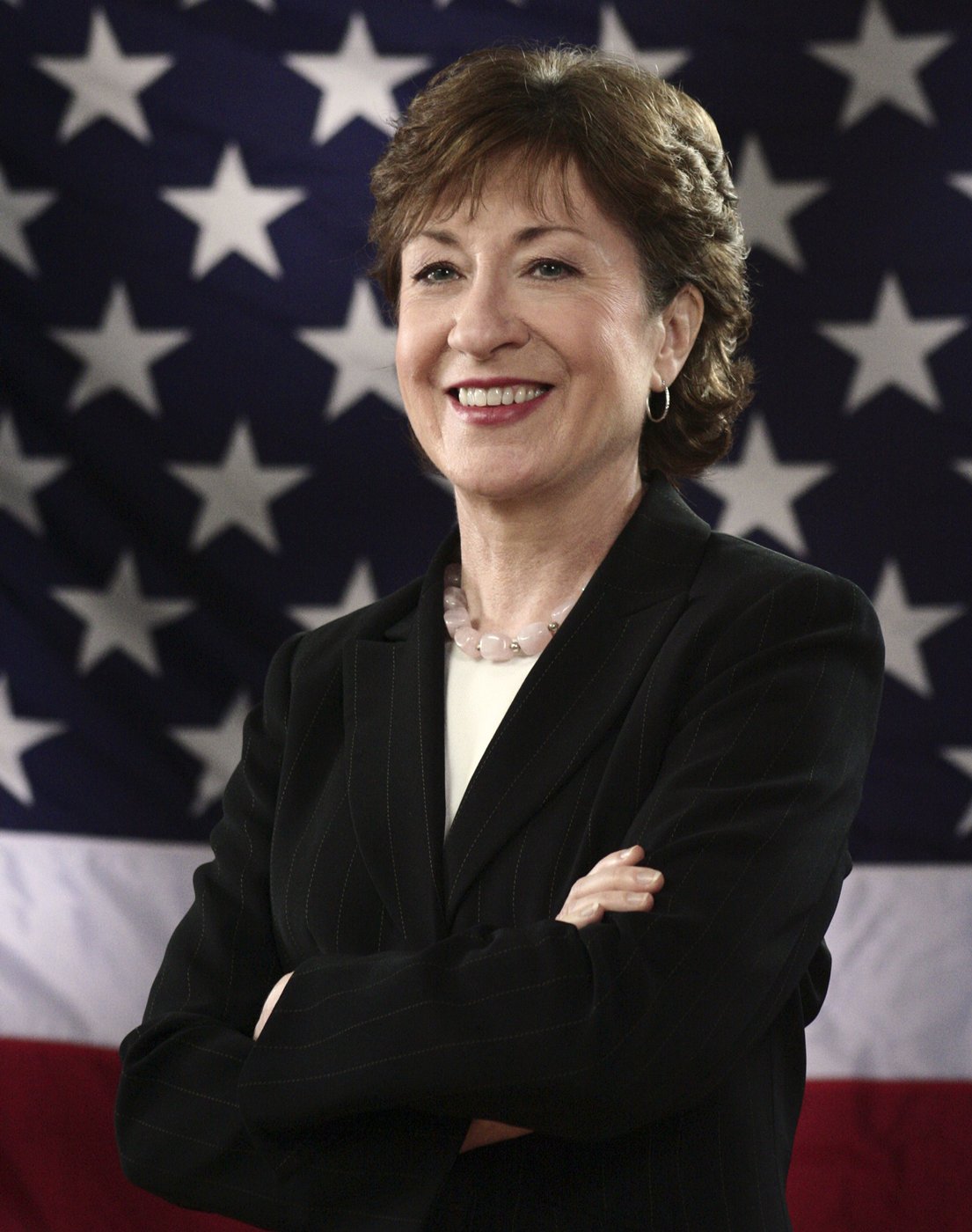
Democratic candidates in Maine are rushing to select a replacement nominee for the U.S. Senate after Graham Platner withdrew from the race.
The vacancy leaves the party without a clear frontrunner to challenge Republican incumbent Sen. Susan Collins. Because the seat is critical for maintaining the balance of power in the Senate, the selection of a viable candidate is a priority for party leadership.
Platner's exit has triggered a sudden scramble within the state's Democratic wing. At least eight Democratic contenders [1] have now entered the race to fill the slot. The party must quickly consolidate support behind a single candidate to avoid a fractured campaign against the incumbent.
Sen. Collins remains the Republican contender for the seat. The Democratic party is now weighing various options to determine who possesses the strongest appeal to Maine voters in the current political climate.
The sudden political demise of Platner has shifted the momentum of the race. With no single candidate holding a dominant lead, the party is evaluating the strengths of the eight [1] individuals seeking the nomination. This internal competition comes as the GOP prepares its strategy to retain the seat.
“Democrats in Maine are scrambling to choose a new Senate nominee after Graham Platner withdrew.”
The collapse of Graham Platner's candidacy creates a power vacuum that could either energize the Democratic base through a competitive primary or weaken the party's chances through internal division. With eight potential candidates, the risk of a split ticket increases, potentially easing the path for Sen. Susan Collins to secure reelection.
'%2F%3E%0A%20%20%20%20%3Crect%20width%3D'1600'%20height%3D'900'%20fill%3D'url(%23v)'%2F%3E%0A%20%20%20%20%3Cg%20opacity%3D'0.08'%20fill%3D'%23ffffff'%3E%0A%20%20%20%20%20%20%3Ccircle%20cx%3D'1420'%20cy%3D'180'%20r%3D'220'%2F%3E%0A%20%20%20%20%20%20%3Ccircle%20cx%3D'1500'%20cy%3D'760'%20r%3D'120'%2F%3E%0A%20%20%20%20%3C%2Fg%3E%0A%20%20%20%20%3Cline%20x1%3D'80'%20y1%3D'172'%20x2%3D'220'%20y2%3D'172'%20stroke%3D'%23ffffff'%20stroke-width%3D'3'%20stroke-opacity%3D'0.6'%2F%3E%0A%20%20%20%20%3Ctext%20x%3D'80'%20y%3D'140'%20font-family%3D'Inter%2C%20-apple-system%2C%20Helvetica%2C%20sans-serif'%20font-weight%3D'700'%20font-size%3D'28'%20fill%3D'%23ffffff'%20letter-spacing%3D'6'%3EHANNA%20%C2%B7%20NEWS%3C%2Ftext%3E%0A%20%20%20%20%3Ctext%20x%3D'80'%20y%3D'230'%20font-family%3D'Inter%2C%20-apple-system%2C%20Helvetica%2C%20sans-serif'%20font-weight%3D'600'%20font-size%3D'40'%20fill%3D'%23ffffffb3'%20letter-spacing%3D'4'%3EPOLITICS%3C%2Ftext%3E%0A%20%20%20%20%3Ctext%20x%3D'80'%20y%3D'622'%20font-family%3D'Playfair%20Display%2C%20Georgia%2C%20serif'%20font-weight%3D'800'%20font-size%3D'86'%20fill%3D'%23ffffff'%20letter-spacing%3D'-1'%3EEssay%20and%20Celebrity%3C%2Ftext%3E%3Ctext%20x%3D'80'%20y%3D'721'%20font-family%3D'Playfair%20Display%2C%20Georgia%2C%20serif'%20font-weight%3D'800'%20font-size%3D'86'%20fill%3D'%23ffffff'%20letter-spacing%3D'-1'%3EExperience%20Highlight%20Risks%3C%2Ftext%3E%3Ctext%20x%3D'80'%20y%3D'820'%20font-family%3D'Playfair%20Display%2C%20Georgia%2C%20serif'%20font-weight%3D'800'%20font-size%3D'86'%20fill%3D'%23ffffff'%20letter-spacing%3D'-1'%3Eof%20AI-Driven%20Beauty%3C%2Ftext%3E%0A%20%20%20%20%3Ctext%20x%3D'80'%20y%3D'870'%20font-family%3D'Inter%2C%20-apple-system%2C%20Helvetica%2C%20sans-serif'%20font-weight%3D'500'%20font-size%3D'22'%20fill%3D'%23ffffff66'%20letter-spacing%3D'2'%3Enews.hanna-ai.com%3C%2Ftext%3E%0A%20%20%3C%2Fsvg%3E)

