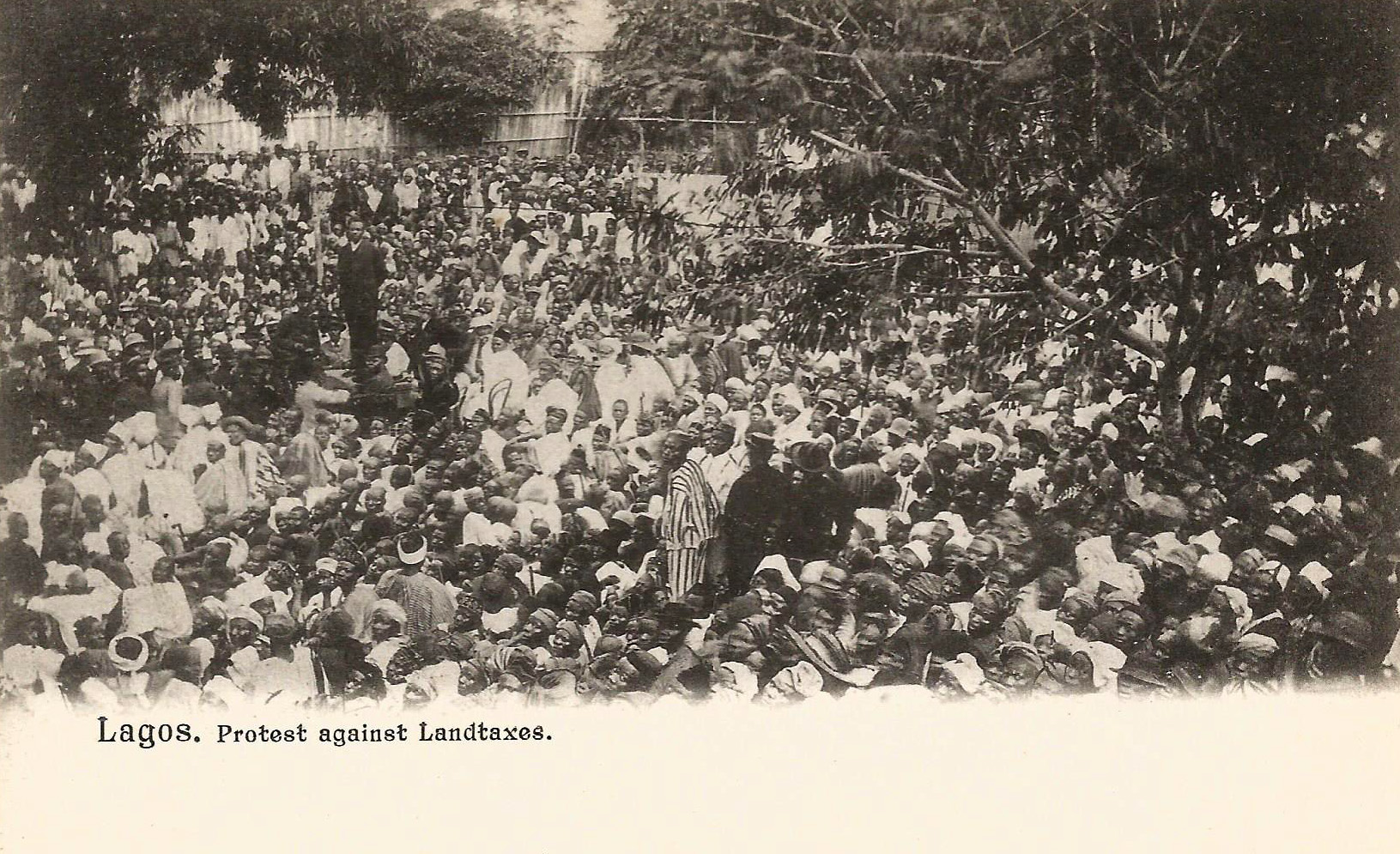
Residents of the Makoko waterfront community in Lagos, Nigeria, staged protests this week following a series of forced evictions [1, 2].
The unrest highlights a growing conflict between urban development and the survival of one of Africa's most precarious settlements. As the government sells land to higher bidders, thousands of residents face the loss of their homes and livelihoods in the waterfront slum [1, 2].
Makoko is a unique settlement characterized by houses built on stilts over the lagoon. For generations, the community has operated as a hub for fishing and trade, yet it often lacks formal legal recognition from the state [1, 2].
Protesters gathered to voice their opposition to the displacement process. The residents said the evictions are driven by the commercialization of the waterfront, which favors wealthy investors over the existing population [1, 2].
Local advocates have pointed to the lack of alternative housing options for those being removed from the area. The displacement of the community threatens to erase a significant cultural landmark of Lagos, and it pushes marginalized citizens further into poverty [1, 2].
While the Lagos government has previously cited urban renewal and safety as reasons for clearing the slums, the current wave of evictions is tied to the sale of the land [1, 2]. This shift toward privatization has intensified the anger of the residents, who feel they are being sacrificed for corporate gain [1, 2].
Security forces have been present during these developments to manage the crowds and ensure the eviction orders are carried out. The community continues to seek legal and international support to prevent the total demolition of the settlement [1, 2].
“Residents are being evicted as their land is sold to higher bidders”
The situation in Makoko reflects a broader trend of 'urban cleansing' in rapidly growing megacities, where informal settlements are viewed as obstacles to modernization. By prioritizing high-value real estate over residential tenure, the city risks increasing homelessness and social instability among its most vulnerable populations.


