
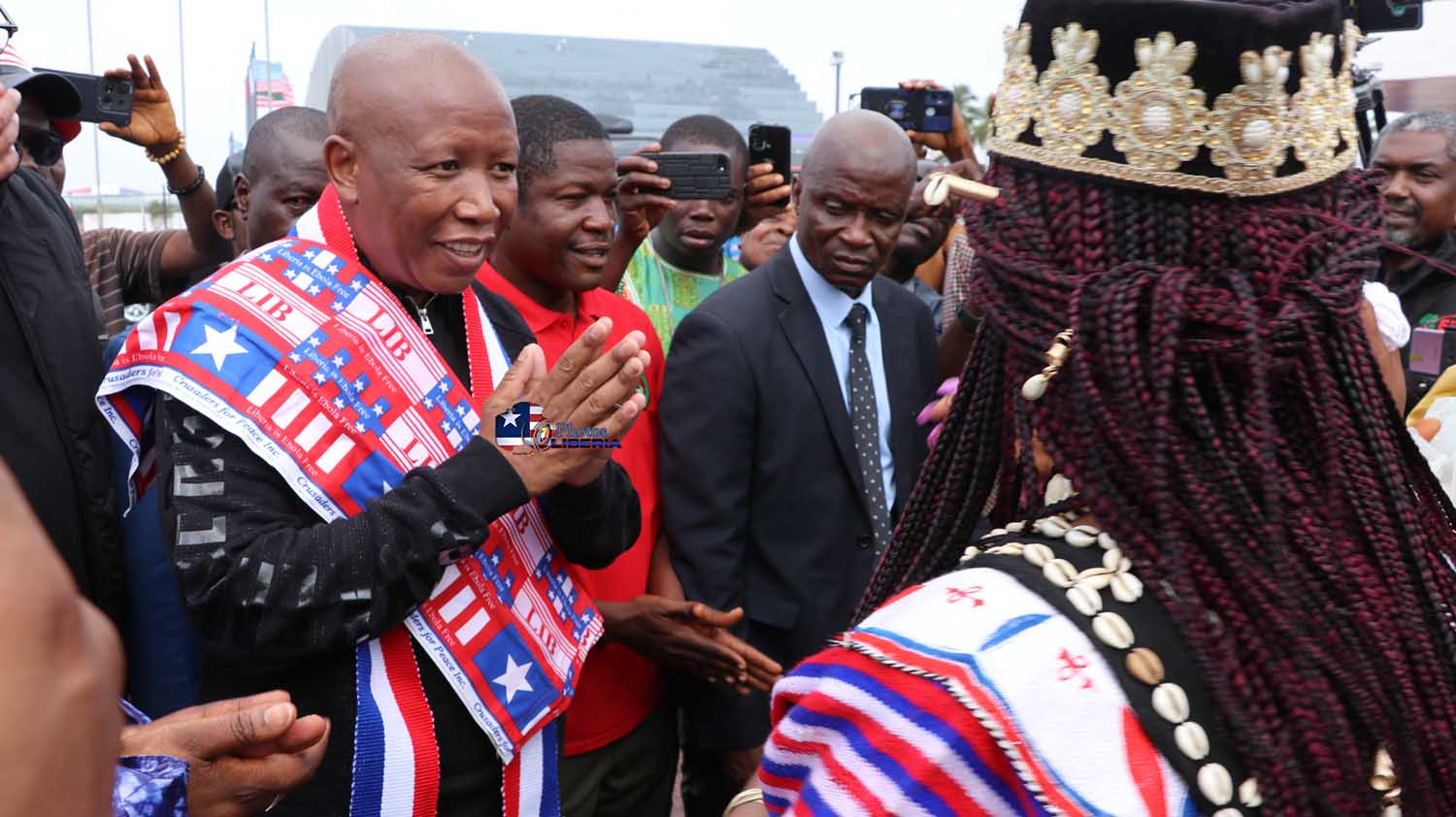
Julius Malema, leader of the Economic Freedom Fighters (EFF), said recent anti-immigrant protests in South Africa are "Afrophobia" [1, 2].
The rhetoric highlights escalating tensions between South Africa and other African nations over the safety of foreign nationals. This friction has reached a diplomatic tipping point, prompting calls for continental intervention to prevent further instability.
Malema condemned the sentiment driving these protests, saying that the targets are specifically fellow Africans [1, 2]. He welcomed a proposal from Ghanaian President John Mahama to discuss the issue during the African Union (AU) mid-year meeting in Egypt [1, 2].
While Malema supports a diplomatic resolution via the AU, he criticized the specific actions taken by the Ghanaian government. He said that Ghana's decision to evacuate its citizens from South Africa was unnecessary [1, 2].
The EFF leader said that the response from Ghana to these xenophobia fears was an overreaction [1, 2]. Despite this critique of the evacuation, Malema remains aligned with the need for a high-level discussion in Egypt to address the root causes of the unrest [1, 2].
South Africa has seen a recurring pattern of anti-immigrant violence, often targeting shops and homes owned by foreigners. These events have strained relations with several regional neighbors, leading to the current push for a coordinated AU response [1, 2].
“Julius Malema said recent anti-immigrant protests in South Africa are 'Afrophobia'.”
The labeling of these protests as 'Afrophobia' rather than general xenophobia emphasizes a perceived betrayal of Pan-African solidarity. By supporting the AU's involvement, Malema is positioning the issue as a continental crisis rather than a domestic South African police matter, while his criticism of the evacuations suggests a desire to maintain economic and social ties despite the volatility.

