
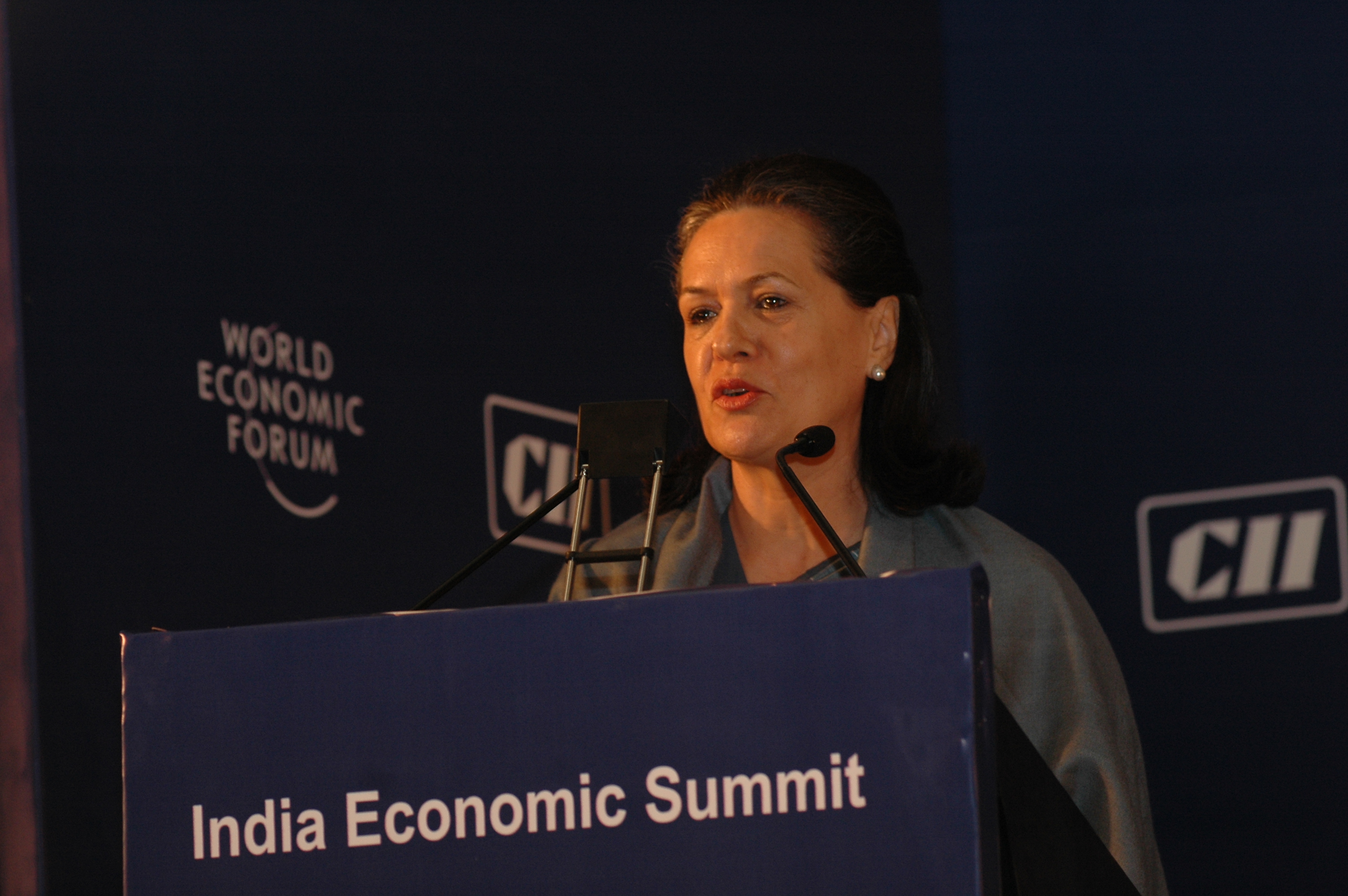
Mamata Banerjee, leader of the Trinamool Congress (TMC), met with Sonia Gandhi of the Indian National Congress in Delhi this week.
The meeting occurs as the TMC faces significant internal instability. A potential alliance or merger between the two parties could shift the political landscape in India, particularly as the TMC attempts to manage a growing internal crisis.
Reports indicate that approximately 20 TMC MPs [1] are currently rebelling against the party leadership. This internal friction has coincided with other developments in West Bengal, including a visit by a CID team to the residence of Banerjee in Kolkata [1].
The discussions in Delhi focused on strategy between the two parties and how to address the ongoing rebellion within the TMC [1]. Senior TMC MP Kirti Azad was also mentioned in connection with the current political climate [1].
While neither party has officially confirmed a merger, the timing of the meeting has fueled widespread speculation. The TMC is currently navigating a period of volatility that may necessitate a stronger partnership with the Indian National Congress to maintain its legislative standing.
“A potential alliance or merger between the two parties could shift the political landscape in India.”
The meeting suggests that the Trinamool Congress may be seeking external support to stabilize its leadership after a significant portion of its parliamentary wing broke ranks. If a formal merger or alliance materializes, it would consolidate opposition forces, potentially creating a more formidable bloc against the current administration, though it would require Banerjee to reconcile her regional autonomy with the national structure of the Congress party.


