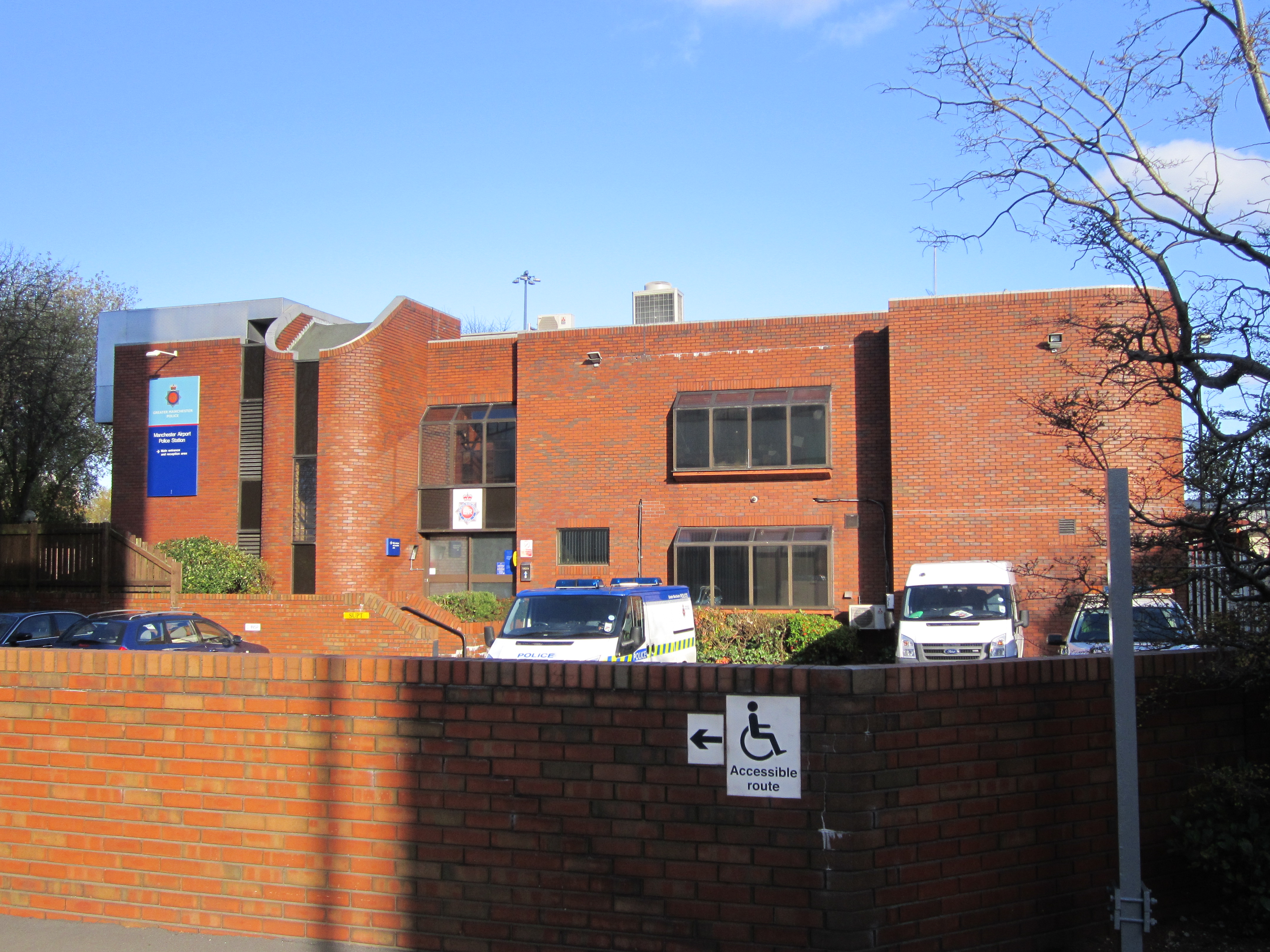
Mohammed Fahir Amaaz was sentenced to three and a half years in prison for assaulting Police Constable Lydia Ward at Manchester Airport [1, 2].
The case has drawn attention as a flashpoint in broader debates regarding the role of women in policing and the physical risks officers face during arrests.
The assault occurred in 2025 [1] after Amaaz resisted arrest following a security check. During the struggle, Ward suffered a broken nose [1]. The legal proceedings concluded in early 2026 [2] with the prison term.
Ward described the intensity of the encounter, stating, "I've never felt as frightened" [1]. She also expressed concern that the incident had become a tool for political discourse. "I'm frustrated that this incident is being used to question whether women should serve in the police," Ward said [1].
During the court proceedings, Amaaz provided his perspective on the violence. He said he did not realize he was fighting police officers and feared they would beat him to death [2].
The sentencing follows a pattern of judicial responses to assaults on emergency workers. The court's decision to impose a 3.5-year term [1] reflects the severity of the injury, and the status of the victim as a law enforcement officer.
“"I've never felt as frightened."”
This sentencing highlights the legal consequences for resisting arrest and assaulting police officers in the UK. Beyond the criminal verdict, the case underscores a cultural tension between the push for gender diversity in law enforcement and critics who argue that physical requirements for certain roles should supersede gender representation.


