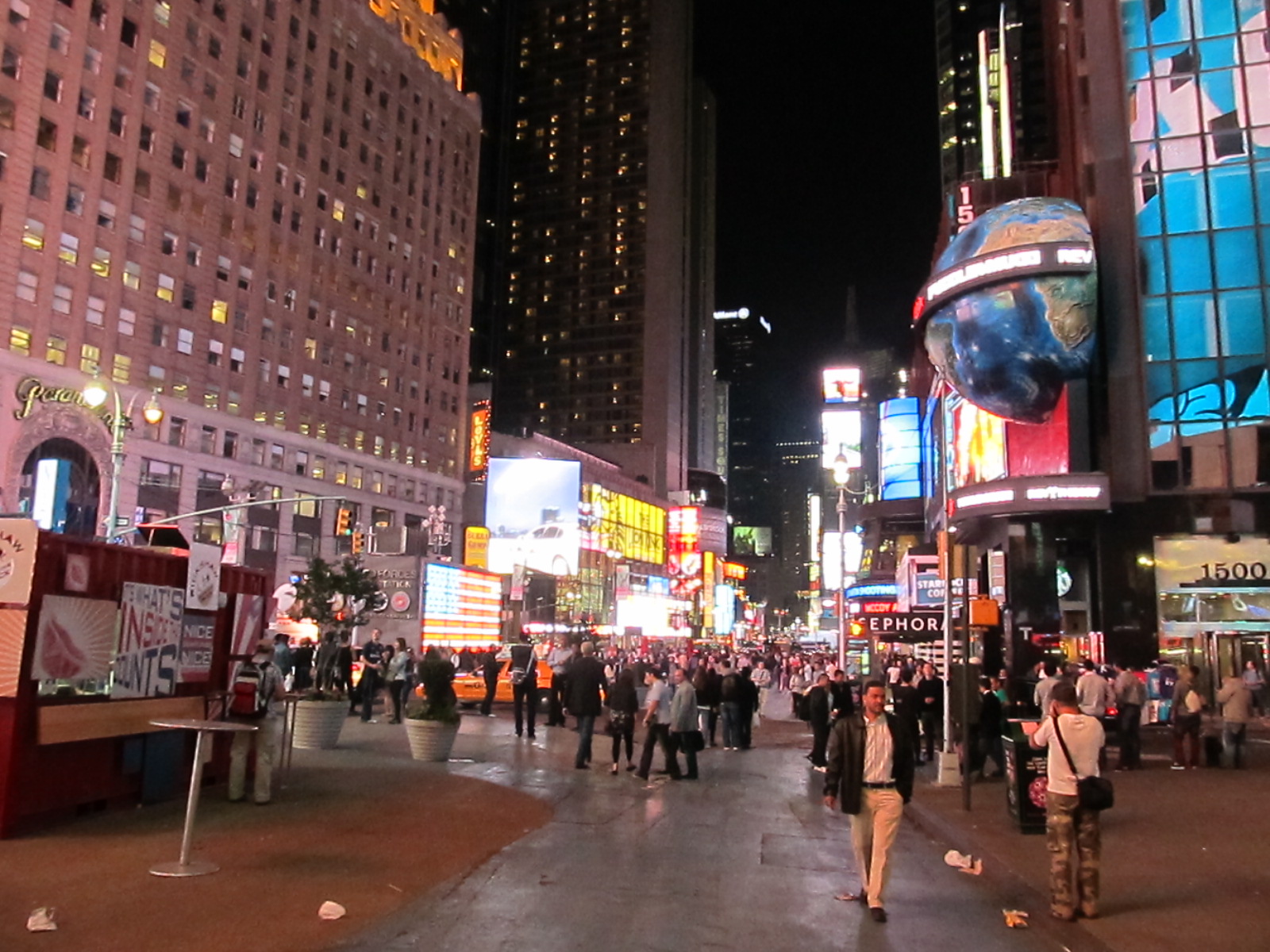
Hundreds of tourists, residents, and workers were evacuated from buildings in Midtown Manhattan on Tuesday after a high-rise showed buckled columns [1].
The emergency evacuation underscores the potential for sudden structural failures in dense urban environments, where a single building's instability can jeopardize surrounding blocks.
City officials declared a "frozen zone" around the affected high-rise to manage the safety hazard. This restricted area prevented people from returning to their homes and offices while engineers assessed the stability of the structure [1].
Because of the restricted zone, hundreds of people were left on the street [1]. Many of those evacuated spent the night outdoors without a clear timeline for when they could return to their properties [1].
The evacuations included a mix of local workers, permanent residents, and tourists visiting the area. The decision to clear multiple buildings was prompted by the risk posed by the buckled columns of the primary high-rise [1].
Authorities have not yet released a specific cause for the structural failure. The focus remains on the safety of the perimeter and the stability of the building's core to prevent a wider collapse in the crowded Midtown district [1].
“Hundreds of tourists, residents, and workers were evacuated from buildings in Midtown Manhattan”
The establishment of a 'frozen zone' indicates that officials viewed the structural failure as a systemic risk rather than an isolated incident. When high-rise columns buckle, the potential for a progressive collapse can threaten adjacent structures and public thoroughfares, necessitating wide-scale evacuations in high-density areas like Midtown Manhattan.


