
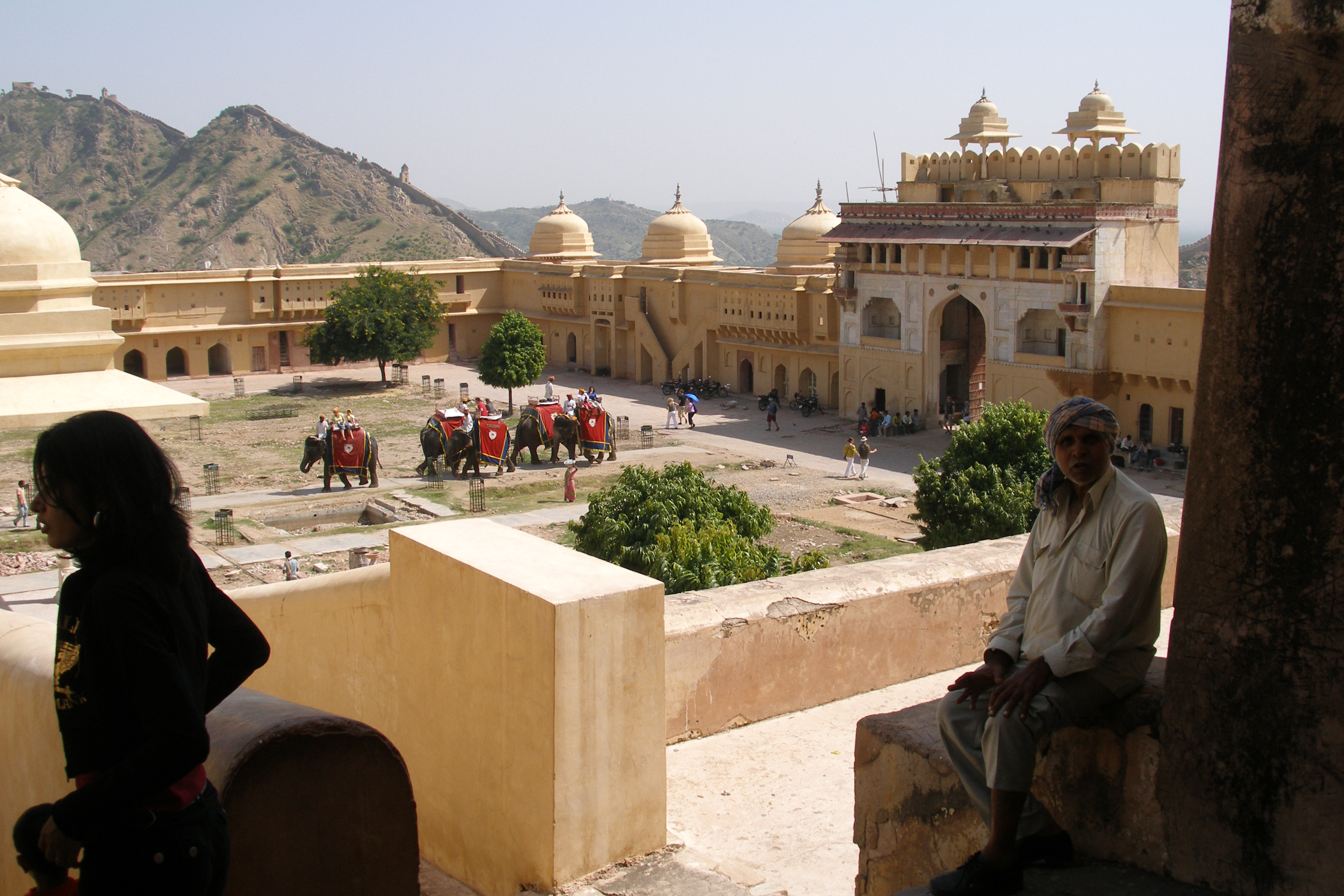
U.S. Secretary of State Marco Rubio and his wife, Jeanette Rubio, visited the Taj Mahal and Amer Fort on Monday [1].
The visit serves as a diplomatic precursor to the Quad foreign ministers’ summit, signaling a desire to strengthen cultural and strategic ties between the U.S. and India.
The excursions took place on May 25, 2024 [1], as part of a broader four-day diplomatic mission to India [2]. The itinerary included a stop at the Taj Mahal in Agra before the secretary and his wife traveled to Jaipur to visit the Amer Fort [3].
These cultural visits are designed to build momentum and rapport before the official Quad foreign ministers’ meeting, which is scheduled for Tuesday [2]. The Quad, consisting of the U.S., India, Japan, and Australia, focuses on maintaining a free and open Indo-Pacific region.
By incorporating high-profile visits to India's most iconic landmarks, the U.S. State Department is utilizing soft diplomacy to complement the hard-security discussions expected at the summit. The trip emphasizes the personal and cultural dimensions of the bilateral relationship, a strategy often used to facilitate smoother negotiations during formal diplomatic summits.
Secretary Rubio's presence at these sites underscores the strategic importance the U.S. places on its partnership with India. The four-day visit [2] combines these symbolic gestures with the rigorous agenda of the Quad summit, ensuring that the diplomatic engagement is both comprehensive and multifaceted.
“The visit serves as a diplomatic precursor to the Quad foreign ministers’ summit.”
The integration of cultural tourism into a high-level diplomatic visit suggests a calculated effort by the U.S. to deepen its 'special relationship' with India. By visiting the Taj Mahal and Amer Fort immediately before the Quad summit, the U.S. is prioritizing soft power to create a favorable atmosphere for the security and economic discussions that define the Quad's regional strategy.


