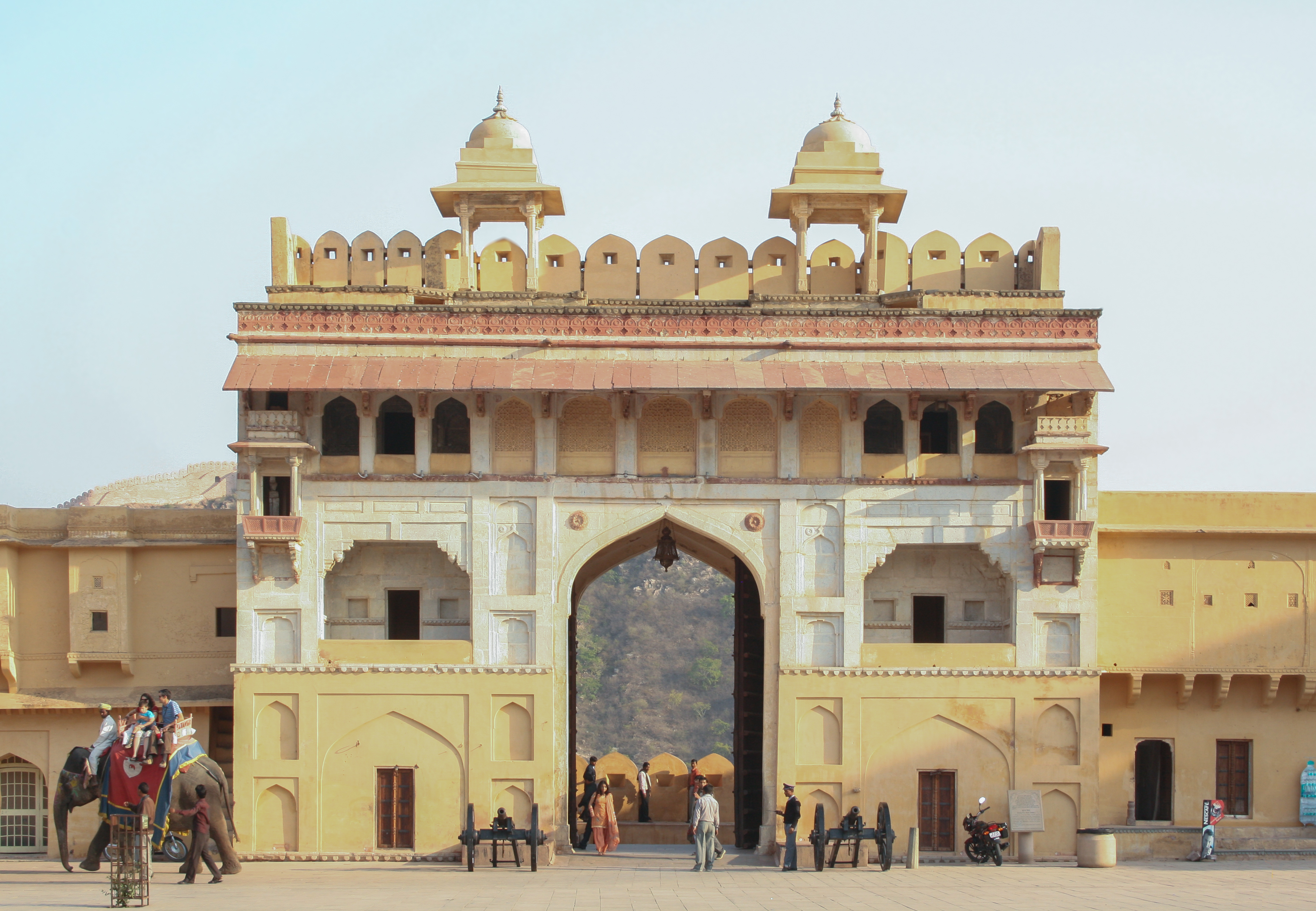
U.S. Secretary of State Marco Rubio arrived at the historic Amber Fort in Jaipur to receive a traditional Rajasthani welcome [1].
The visit serves as a diplomatic precursor to the Quad foreign ministers' meeting, where officials aim to strengthen U.S.-India ties while addressing critical trade and security issues [2, 3].
Rubio, accompanied by his wife Jeanette Rubio, visited the fort on May 31, 2024 [1, 4]. The stop in Jaipur followed a previous visit to the Taj Mahal as part of a broader itinerary in India [1].
According to official records, Rubio first arrived in India on May 30, 2024 [2]. The sequence of cultural visits is designed to build rapport and soft-power connections before the high-level security discussions begin [2, 3].
The Amber Fort, a landmark of Rajasthani architecture, provided the backdrop for the traditional reception. This engagement is part of a strategic effort to deepen the bilateral relationship between Washington and New Delhi, a partnership that has become central to U.S. strategy in the Indo-Pacific region [2, 3].
Diplomatic officials said that the upcoming Quad meetings will focus on maintaining a free and open Indo-Pacific. The engagement in Jaipur underscores the importance of cultural diplomacy in supporting these geopolitical objectives [2, 3].
“U.S. Secretary of State Marco Rubio arrived at the historic Amber Fort in Jaipur”
The integration of cultural visits, such as the stop at Amber Fort, into a high-level diplomatic mission suggests a strategy of 'soft diplomacy' to complement hard security goals. By engaging with India's regional heritage before the Quad summit, the U.S. aims to solidify a personal and cultural rapport with Indian leadership, which can facilitate more effective negotiations on sensitive trade and security issues in the Indo-Pacific.


