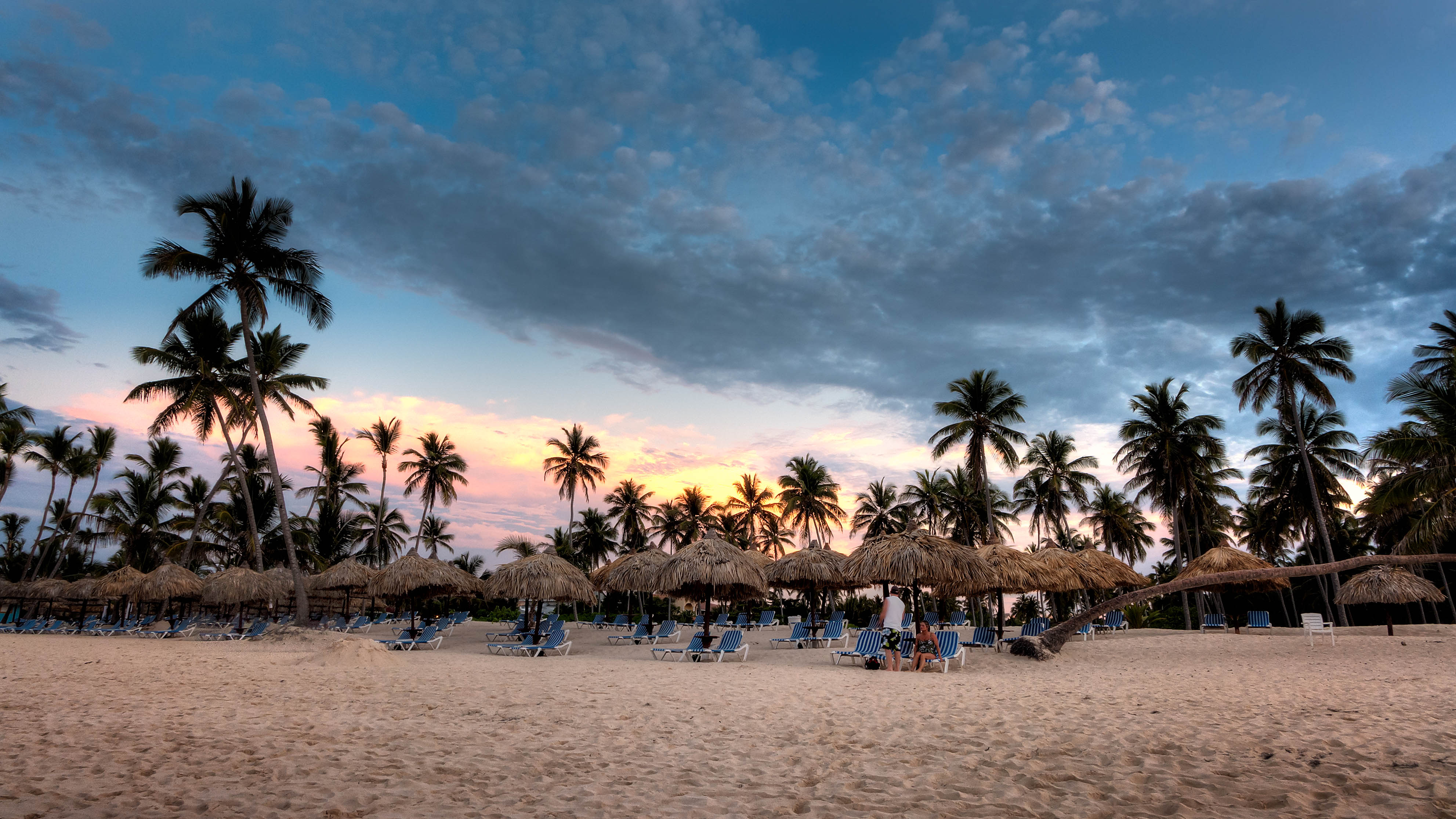
Marina Comes presented a travel guide offering alternative ways to experience Punta Cana in the Dominican Republic [1].
This shift in travel perspective matters as more tourists seek authentic local experiences over the curated environments of all-inclusive hotels. By highlighting untapped locations, the guide promotes a more diverse economic impact within the region.
Comes said she detailed her "ABC" guide on the program Zapeando, focusing on the variety of activities available to visitors [1]. The guide emphasizes visiting virgin locations and natural landscapes that are often overlooked by those staying within resort boundaries [1].
Among the specific recommendations are trips to cenotes, which are natural limestone sinkholes common in the region [1]. These sites offer a contrast to the commercialized beachfronts typical of the area's tourism industry.
Beyond nature, the guide also includes entertainment options such as the Coco Bongo club [1]. This suggests a balance between serene natural exploration and the high-energy nightlife for which the destination is known.
The objective of the presentation was to provide travelers with a roadmap to enjoy the destination through a different lens [1]. Rather than relying solely on hotel-provided excursions, the guide suggests seeking out independent experiences.
By moving away from the traditional all-inclusive model, travelers can engage more directly with the geography and culture of the Dominican Republic [1].
“alternative ways to enjoy Punta Cana beyond the typical all‑inclusive resort model”
The promotion of 'alternative' travel in Punta Cana reflects a broader global trend toward experiential tourism. As travelers move away from isolated resort bubbles, there is an increased opportunity for local businesses and ecological sites to benefit from tourism revenue, though it also places more pressure on the preservation of 'virgin' natural areas.


