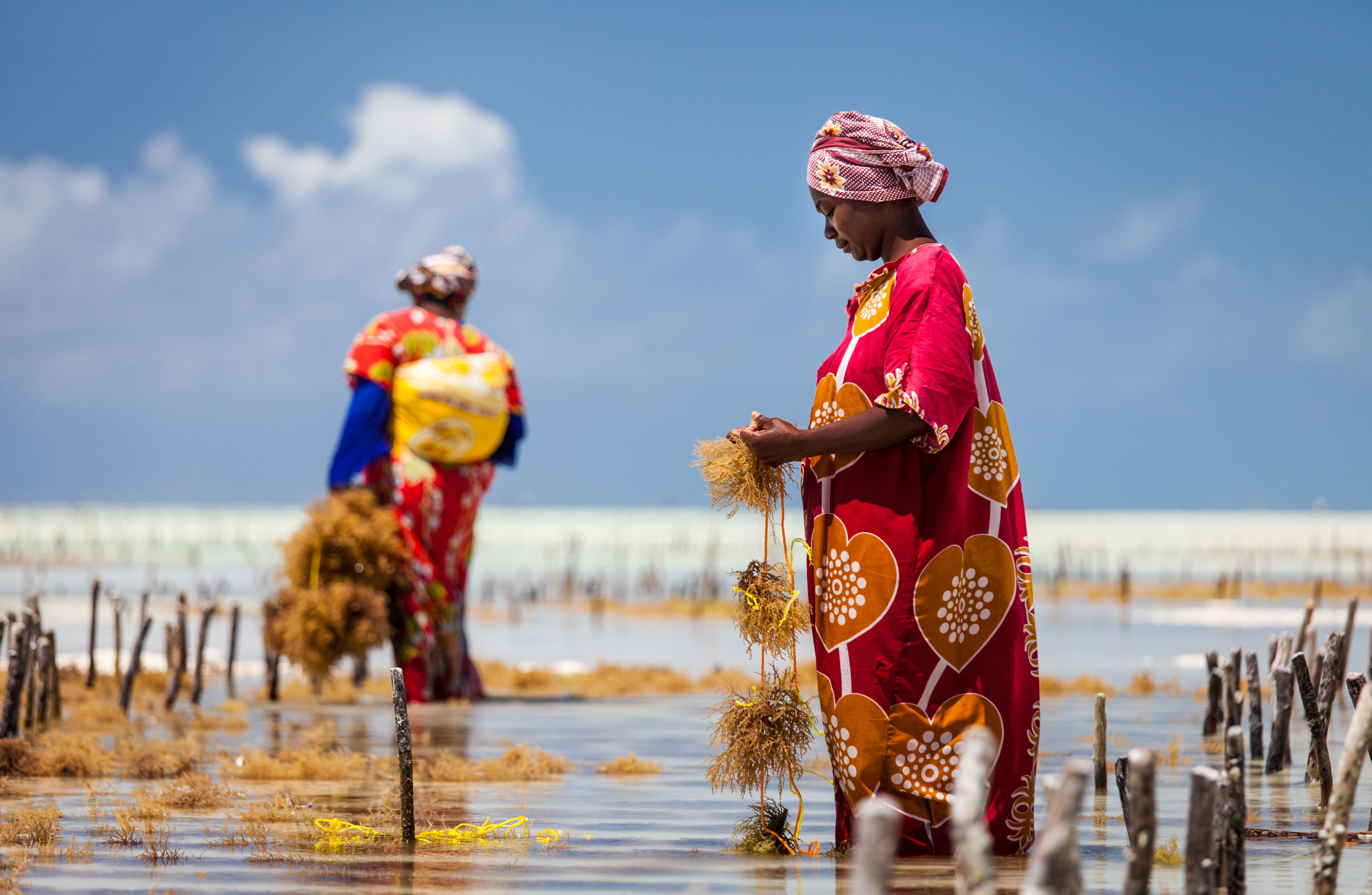
Experts and harvesters describe marine algae as one of the world's largest and most under-exploited natural resources [1, 2].
The development of the seaweed industry could provide significant nutritional, environmental, and economic benefits. However, the transition from small-scale harvesting to a global industry is currently hindered by outdated laws and restrictive government regulations [1, 2].
Bernard Kloareg, the former director of the Roscoff Biological Station, said the untapped potential and benefits of these marine organisms are significant [1]. Working alongside Frédéric Faure, the treasurer of the association “Cluster Algues Bretagne,” Kloareg said the biological value of algae in Brittany, France, is high [1].
Similar challenges are appearing in North America. In the Saint-Laurent River region of Gaspé, Quebec, Canadian seaweed harvesters are experiencing a surge in consumer demand for marine algae [2]. Despite this interest, the profession faces significant regulatory constraints [2].
A company in Gaspé specializing in the collection and processing of wild algae said that the rules governing the harvest are unsuitable for the actual working conditions of the collectors [2]. These regulatory hurdles create a gap between the biological availability of the resource and the legal ability to harvest it sustainably [2].
The contrast between the scientific potential identified in France and the operational struggles in Canada illustrates a global pattern. While the environmental and health benefits of algae are well-documented, the administrative frameworks have not kept pace with the industry's growth [1, 2].
“Marine algae are a resource still largely untapped.”
The gap between the scientific recognition of algae as a sustainable resource and the rigid regulatory environments in France and Canada suggests that the 'blue economy' is currently limited by bureaucracy rather than biology. Until governments modernize harvesting laws to match ecological realities, the economic potential of seaweed will remain localized and under-realized.


