The Print has released a commemorative piece marking the 100-year [2] birth anniversary of Indian cartoonist and illustrator Mario Miranda.
The tribute highlights the intersection of visual art and war correspondence, showcasing how Miranda's distinct style captured the atmospheric tension of conflict zones. It serves as a retrospective on the collaboration between a master illustrator and a journalist documenting the fringes of war.
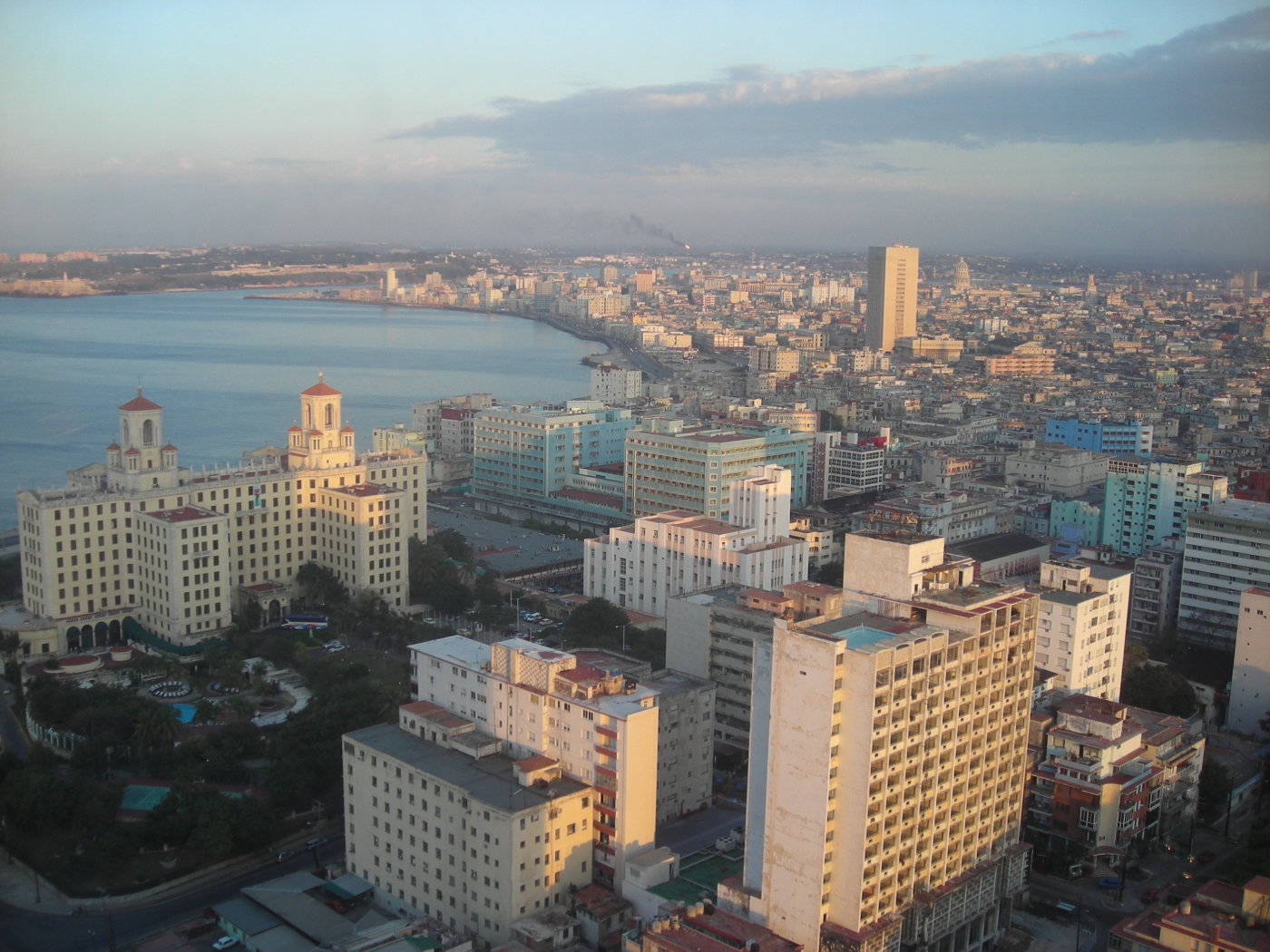
The feature centers on artwork originally published in Taj magazine in 2003 [1]. These illustrations visualized a chronicle titled “Hotels in Hell,” written by journalist Shekhar Gupta. The series detailed the experience of staying in hotels located within war-torn regions, blending the mundane nature of hospitality with the chaos of surrounding violence.
Accompanying the visual retrospective are recollections from The Print Editor-in-Chief. The reflections describe the reality of reporting from these hotels, which often served as the only safe havens or operational bases for journalists in volatile areas. Miranda's work translated these narrative accounts into visual form, capturing the specific grit and irony of wartime lodging.
The centenary celebration emphasizes Miranda's ability to render complex social and political environments through caricature and detail. By revisiting the "Hotels in Hell" series, the publication connects Miranda's artistic legacy with the historical record of conflict reporting. The work remains a testament to how illustration can amplify the emotional and physical landscape of a written chronicle.
“Mario Miranda’s birth centenary”
This commemoration underscores the role of visual journalism in preserving the memory of conflict reporting. By pairing Miranda's illustrations with Gupta's chronicles, the piece demonstrates how artistic interpretation can provide a psychological layer to historical reporting that text alone may not fully convey.

'%2F%3E%0A%20%20%20%20%3Crect%20width%3D'1600'%20height%3D'900'%20fill%3D'url(%23v)'%2F%3E%0A%20%20%20%20%3Cg%20opacity%3D'0.08'%20fill%3D'%23ffffff'%3E%0A%20%20%20%20%20%20%3Ccircle%20cx%3D'1420'%20cy%3D'180'%20r%3D'220'%2F%3E%0A%20%20%20%20%20%20%3Ccircle%20cx%3D'1500'%20cy%3D'760'%20r%3D'120'%2F%3E%0A%20%20%20%20%3C%2Fg%3E%0A%20%20%20%20%3Cline%20x1%3D'80'%20y1%3D'172'%20x2%3D'220'%20y2%3D'172'%20stroke%3D'%23ffffff'%20stroke-width%3D'3'%20stroke-opacity%3D'0.6'%2F%3E%0A%20%20%20%20%3Ctext%20x%3D'80'%20y%3D'140'%20font-family%3D'Inter%2C%20-apple-system%2C%20Helvetica%2C%20sans-serif'%20font-weight%3D'700'%20font-size%3D'28'%20fill%3D'%23ffffff'%20letter-spacing%3D'6'%3EHANNA%20%C2%B7%20NEWS%3C%2Ftext%3E%0A%20%20%20%20%3Ctext%20x%3D'80'%20y%3D'230'%20font-family%3D'Inter%2C%20-apple-system%2C%20Helvetica%2C%20sans-serif'%20font-weight%3D'600'%20font-size%3D'40'%20fill%3D'%23ffffffb3'%20letter-spacing%3D'4'%3EWORLD%3C%2Ftext%3E%0A%20%20%20%20%3Ctext%20x%3D'80'%20y%3D'694'%20font-family%3D'Playfair%20Display%2C%20Georgia%2C%20serif'%20font-weight%3D'800'%20font-size%3D'110'%20fill%3D'%23ffffff'%20letter-spacing%3D'-1'%3EBurkina%20Faso%20Severs%3C%2Ftext%3E%3Ctext%20x%3D'80'%20y%3D'820'%20font-family%3D'Playfair%20Display%2C%20Georgia%2C%20serif'%20font-weight%3D'800'%20font-size%3D'110'%20fill%3D'%23ffffff'%20letter-spacing%3D'-1'%3EDiplomatic%20Ties%20With%20France%3C%2Ftext%3E%0A%20%20%20%20%3Ctext%20x%3D'80'%20y%3D'870'%20font-family%3D'Inter%2C%20-apple-system%2C%20Helvetica%2C%20sans-serif'%20font-weight%3D'500'%20font-size%3D'22'%20fill%3D'%23ffffff66'%20letter-spacing%3D'2'%3Enews.hanna-ai.com%3C%2Ftext%3E%0A%20%20%3C%2Fsvg%3E)
