
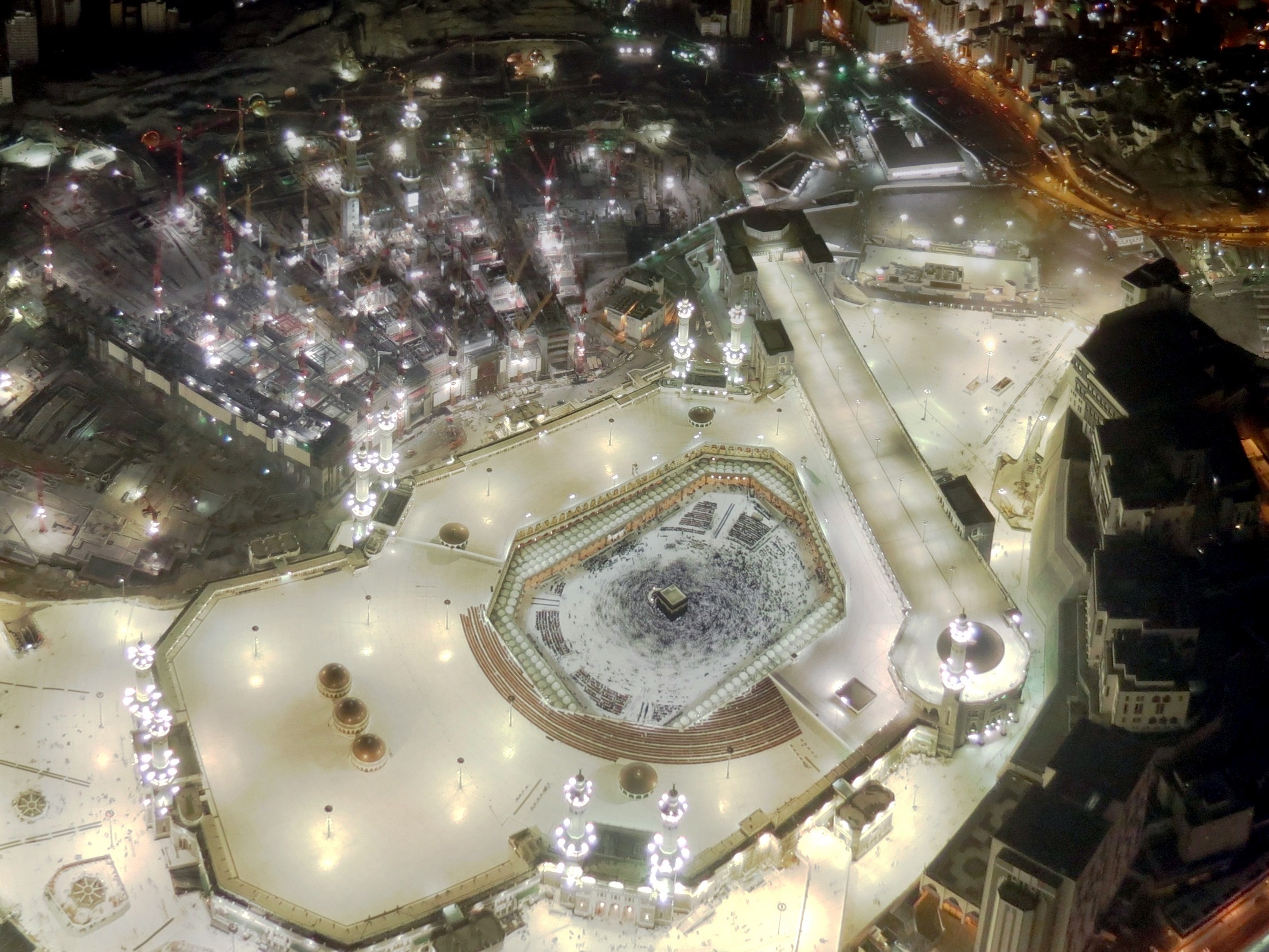
The Masjid al-Haram in Mecca has undergone a continuous series of historical expansions starting from the era of the Rightly Guided Caliphs [1].
These developments are critical because they allow the site to accommodate an ever-increasing number of pilgrims while providing improved facilities for worship and comfort [1, 2].
According to reports, the process of developing the facilities began in the seventh century during the Rashidun Caliphate [1, 2]. This initial phase marked the start of a long trajectory of growth that continued through various Islamic eras [2]. Over time, authorities added new porticos, columns, and expanded prayer areas to manage the crowds visiting the holy site [2].
This architectural evolution continued through different dynasties until the modern era, specifically following the establishment of the Saudi state in the 20th century [1, 2]. The modern state has continued the tradition of augmenting the mosque's capacity to meet the needs of global visitors [1].
"A series of historical expansions took place at the Grand Mosque, beginning from the era of the Rightly Guided Caliphs and continuing until the modern era with the establishment of the Saudi state," BBC Arabic said [1].
Beiruttime said that the development of the facilities continued across different Islamic ages, adding essential infrastructure to the site [2]. These efforts ensure that the physical space of the mosque evolves alongside the demographic growth of the Muslim population [1, 2].
“A series of historical expansions took place at the Grand Mosque”
The transition of Masjid al-Haram from a modest structure to a massive complex reflects the historical growth of the Islamic community and the shifting administrative capabilities of the authorities governing Mecca. By tracking these expansions from the seventh century to the 20th century, the site serves as a physical record of the region's political and religious evolution.


