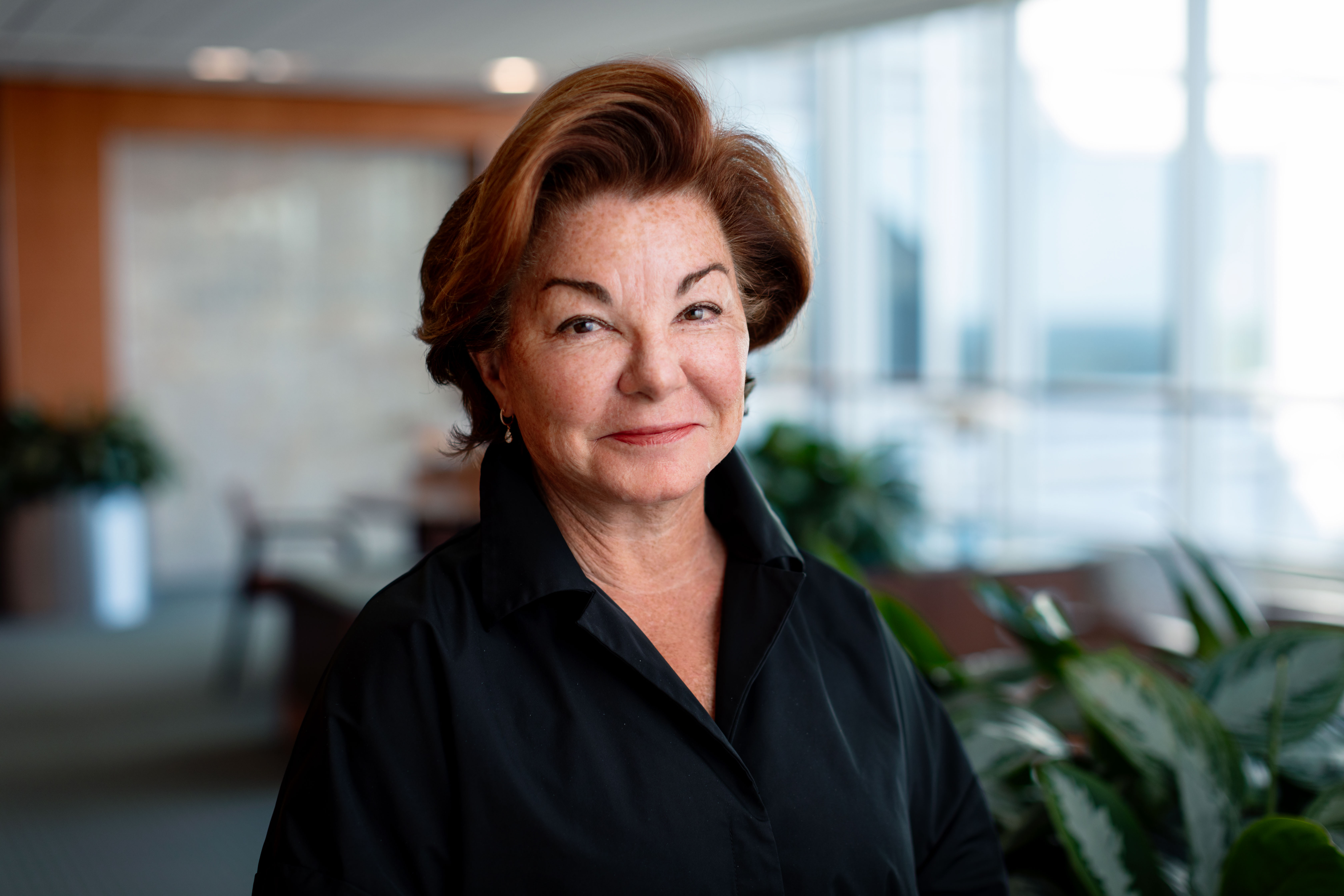
Philomina Bigelow, LICSW, detailed the emotional and social challenges facing adolescents and young adults diagnosed with cancer in a Mayo Clinic presentation [1].
These challenges are distinct from those faced by older patients because they occur during a critical developmental stage. The intersection of a life-threatening illness and the pursuit of independence can create unique psychological barriers to recovery and long-term stability.
Bigelow said the side effects of cancer in this demographic extend beyond physical symptoms. She identified identity as a primary area of impact, as patients often struggle to reconcile their self-image with their status as a patient [1]. This shift can lead to a profound sense of uncertainty regarding their future and their role in society.
Social relationships also undergo significant strain during this period. Bigelow said the illness can disrupt friendships, romantic partnerships, and family dynamics [1]. The isolation resulting from treatment or the inability to participate in peer activities often exacerbates the emotional toll on the patient.
Mental health is another critical component of the discussion. The presentation emphasized that the psychological burden of a cancer diagnosis in young adulthood requires specific coping strategies and support resources [1]. Without targeted intervention, the stress of the disease can lead to long-term mental health struggles.
Practical day-to-day life is similarly affected. From educational disruptions to employment hurdles, the logistical reality of managing cancer during the transition to adulthood creates a complex set of obstacles [1]. Bigelow said providers and families must recognize these non-medical side effects to provide comprehensive care.
By focusing on the holistic experience of the patient, the Mayo Clinic aims to inform providers about the specific needs of this population [1]. The goal is to integrate social and emotional support into the clinical treatment plan to improve overall patient outcomes.
“Side effects of cancer in this demographic extend beyond physical symptoms.”
The focus on adolescent and young adult (AYA) cancer care marks a shift toward biopsychosocial medicine. By acknowledging that identity and social stability are as critical as clinical remission, healthcare providers can address the 'hidden' side effects that often lead to depression or social withdrawal in survivors.
'%2F%3E%0A%20%20%20%20%3Crect%20width%3D'1600'%20height%3D'900'%20fill%3D'url(%23v)'%2F%3E%0A%20%20%20%20%3Cg%20opacity%3D'0.08'%20fill%3D'%23ffffff'%3E%0A%20%20%20%20%20%20%3Ccircle%20cx%3D'1420'%20cy%3D'180'%20r%3D'220'%2F%3E%0A%20%20%20%20%20%20%3Ccircle%20cx%3D'1500'%20cy%3D'760'%20r%3D'120'%2F%3E%0A%20%20%20%20%3C%2Fg%3E%0A%20%20%20%20%3Cline%20x1%3D'80'%20y1%3D'172'%20x2%3D'220'%20y2%3D'172'%20stroke%3D'%23ffffff'%20stroke-width%3D'3'%20stroke-opacity%3D'0.6'%2F%3E%0A%20%20%20%20%3Ctext%20x%3D'80'%20y%3D'140'%20font-family%3D'Inter%2C%20-apple-system%2C%20Helvetica%2C%20sans-serif'%20font-weight%3D'700'%20font-size%3D'28'%20fill%3D'%23ffffff'%20letter-spacing%3D'6'%3EHANNA%20%C2%B7%20NEWS%3C%2Ftext%3E%0A%20%20%20%20%3Ctext%20x%3D'80'%20y%3D'230'%20font-family%3D'Inter%2C%20-apple-system%2C%20Helvetica%2C%20sans-serif'%20font-weight%3D'600'%20font-size%3D'40'%20fill%3D'%23ffffffb3'%20letter-spacing%3D'4'%3ESCIENCE%3C%2Ftext%3E%0A%20%20%20%20%3Ctext%20x%3D'80'%20y%3D'622'%20font-family%3D'Playfair%20Display%2C%20Georgia%2C%20serif'%20font-weight%3D'800'%20font-size%3D'86'%20fill%3D'%23ffffff'%20letter-spacing%3D'-1'%3ECleveland%20Clinic%20Highlights%3C%2Ftext%3E%3Ctext%20x%3D'80'%20y%3D'721'%20font-family%3D'Playfair%20Display%2C%20Georgia%2C%20serif'%20font-weight%3D'800'%20font-size%3D'86'%20fill%3D'%23ffffff'%20letter-spacing%3D'-1'%3ELung%20Cancer%20Screening%3C%2Ftext%3E%3Ctext%20x%3D'80'%20y%3D'820'%20font-family%3D'Playfair%20Display%2C%20Georgia%2C%20serif'%20font-weight%3D'800'%20font-size%3D'86'%20fill%3D'%23ffffff'%20letter-spacing%3D'-1'%3EServices%3C%2Ftext%3E%0A%20%20%20%20%3Ctext%20x%3D'80'%20y%3D'870'%20font-family%3D'Inter%2C%20-apple-system%2C%20Helvetica%2C%20sans-serif'%20font-weight%3D'500'%20font-size%3D'22'%20fill%3D'%23ffffff66'%20letter-spacing%3D'2'%3Enews.hanna-ai.com%3C%2Ftext%3E%0A%20%20%3C%2Fsvg%3E)

