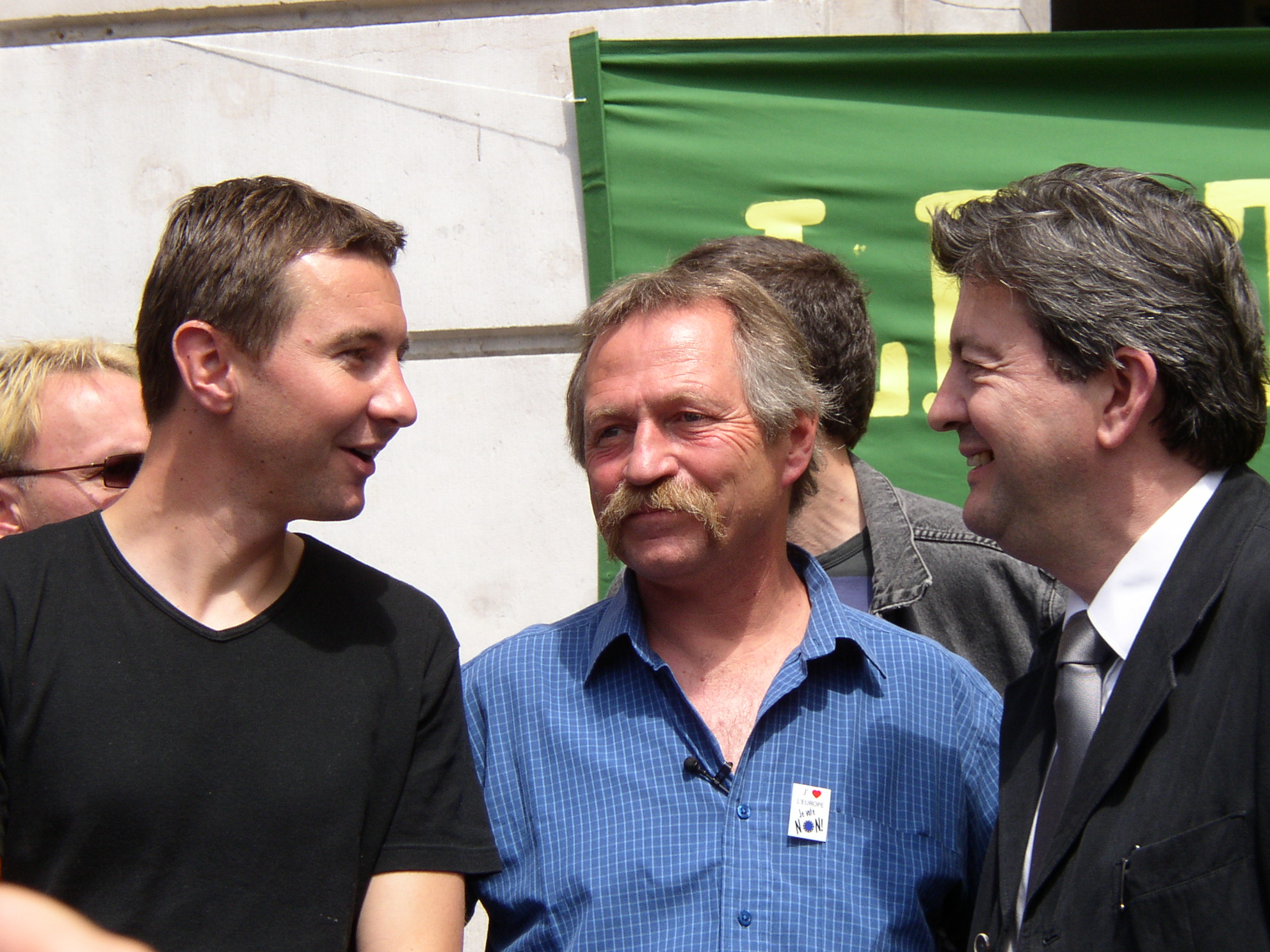
Jean-Luc Mélenchon, leader of La France Insoumise (LFI), is positioning himself as a primary contender for the April 2027 French presidential election [3].
This potential candidacy signals a strategic effort to consolidate the left-wing vote following a series of local electoral successes. If Mélenchon can unify disparate leftist factions, he may overcome previous failures to reach the final round of voting.
Mélenchon is seeking a fourth presidential run [1]. His previous attempt ended when he was eliminated in the first round of the 2022 election [2]. Despite that result, supporters argue his experience remains an asset for the party.
Confidence within LFI has grown after the party won several important municipalities in the 2026 local elections [4]. This momentum has led some party figures to suggest that Mélenchon is the most viable option for the left. An LFI insider said, « Il reste le meilleur… » [5].
Other political allies have also signaled their support. Benoît Payan, the mayor of Marseille, said, « Ceux qui enterrent Jean‑Luc Mélenchon se trompent » [6]. Similarly, Bally Bagayoko, the mayor of Saint-Denis, said he could contribute to gathering the left around Mélenchon in 2027 [7].
However, the internal consensus remains a point of contention. Some reports suggest his candidacy is not widely debated within the party, while others indicate a strong internal push to see him reach the second round of the 2027 vote. This tension highlights the challenge of balancing Mélenchon's personal influence with the need for a broader coalition.
“« Ceux qui enterrent Jean‑Luc Mélenchon se trompent »”
Mélenchon's bid represents a test of whether the French left prefers a known, experienced leader over a new face. His success depends on converting LFI's 2026 municipal gains into a national coalition capable of surviving the first round—a hurdle that has historically limited the party's path to the presidency.


