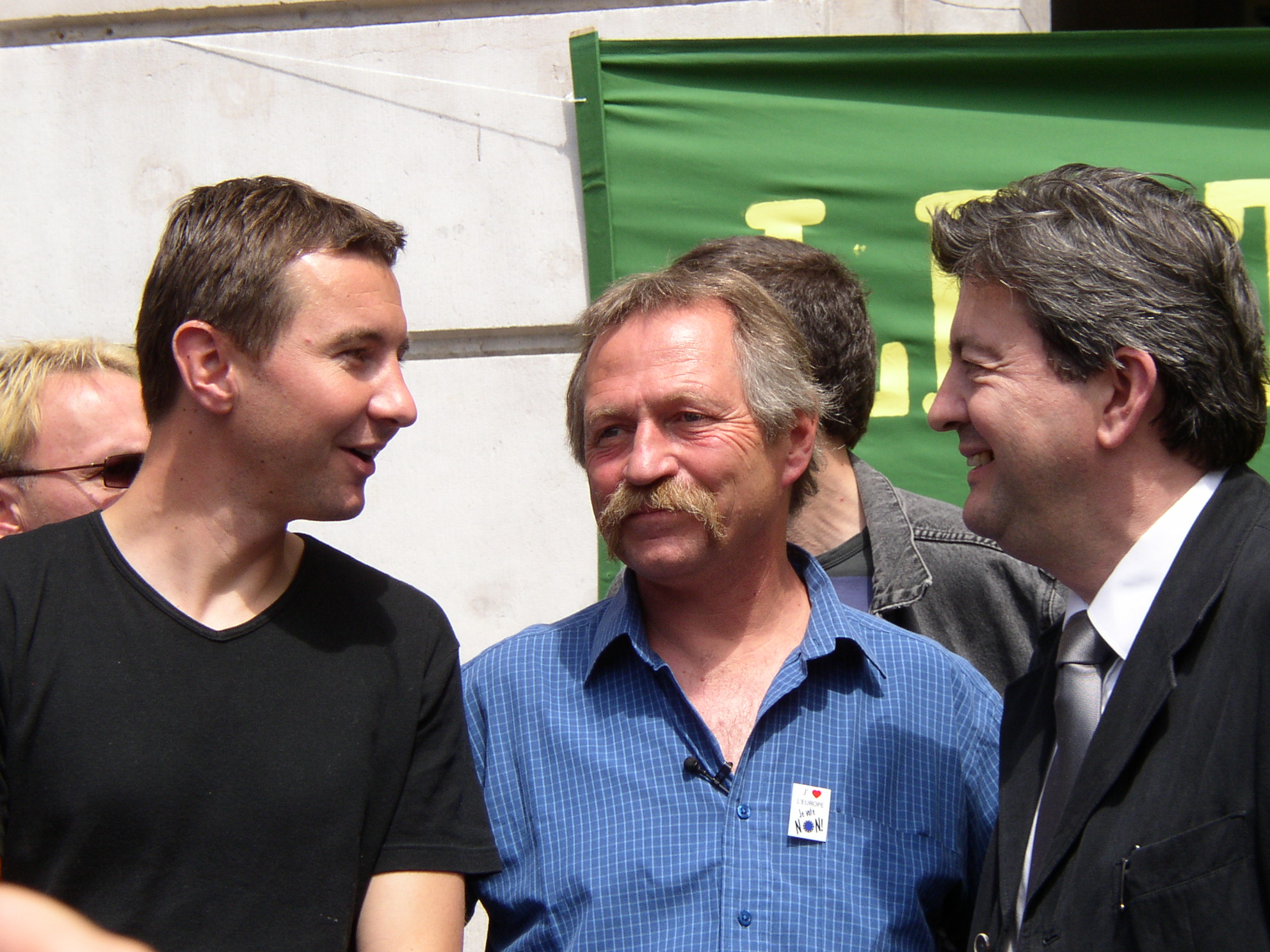
Jean-Luc Mélenchon, leader of La France Insoumise, is running for the French presidency for the fourth time [1].
His candidacy represents a persistent challenge to the traditional political order in France. As a veteran politician with more than 50 years of activity [1], Mélenchon seeks to overturn the existing system to create what he describes as a more just society [1].
Now 74 years old [1], Mélenchon remains a polarizing figure within the national political arena. His strategies have drawn criticism from both the right and the left. Geoffroy Lejeune said that Mélenchon has changed his fight and now serves as the spokesperson for an ultra-radical movement [2].
Internal friction within the left-wing coalition has also surfaced. Pierre Jouvet, the general secretary of the Socialist Party, said March 4, 2026, that Mélenchon harms the cause of the antifascist struggle [3]. This tension exists despite some reports suggesting that municipal victories have placed his party in a favorable position for the presidential race [4].
Other critics have been more blunt in their assessment of his rhetoric. Gérald Darmanin said Mélenchon is a conspiracy theorist like any other [5]. These accusations often center on the leader's methods and his alignment with radical movements, elements that his supporters view as necessary for systemic change.
As the 2024-2025 election cycle continues and the 2026 municipal elections approach, Mélenchon's longevity in politics serves as a barometer for the strength of the French far-left. His ability to maintain a base of support after five decades of activism suggests a durable appetite for radical reform among certain segments of the electorate [1].
“Jean-Luc Mélenchon is running for the French presidency for the fourth time.”
Mélenchon's fourth presidential bid underscores a deep ideological divide in France between institutional left-wing politics and radical populism. While his party has seen success in local municipal elections, the friction with the Socialist Party indicates that a unified left-wing front remains elusive, potentially impacting his ability to secure a majority in a general election.


