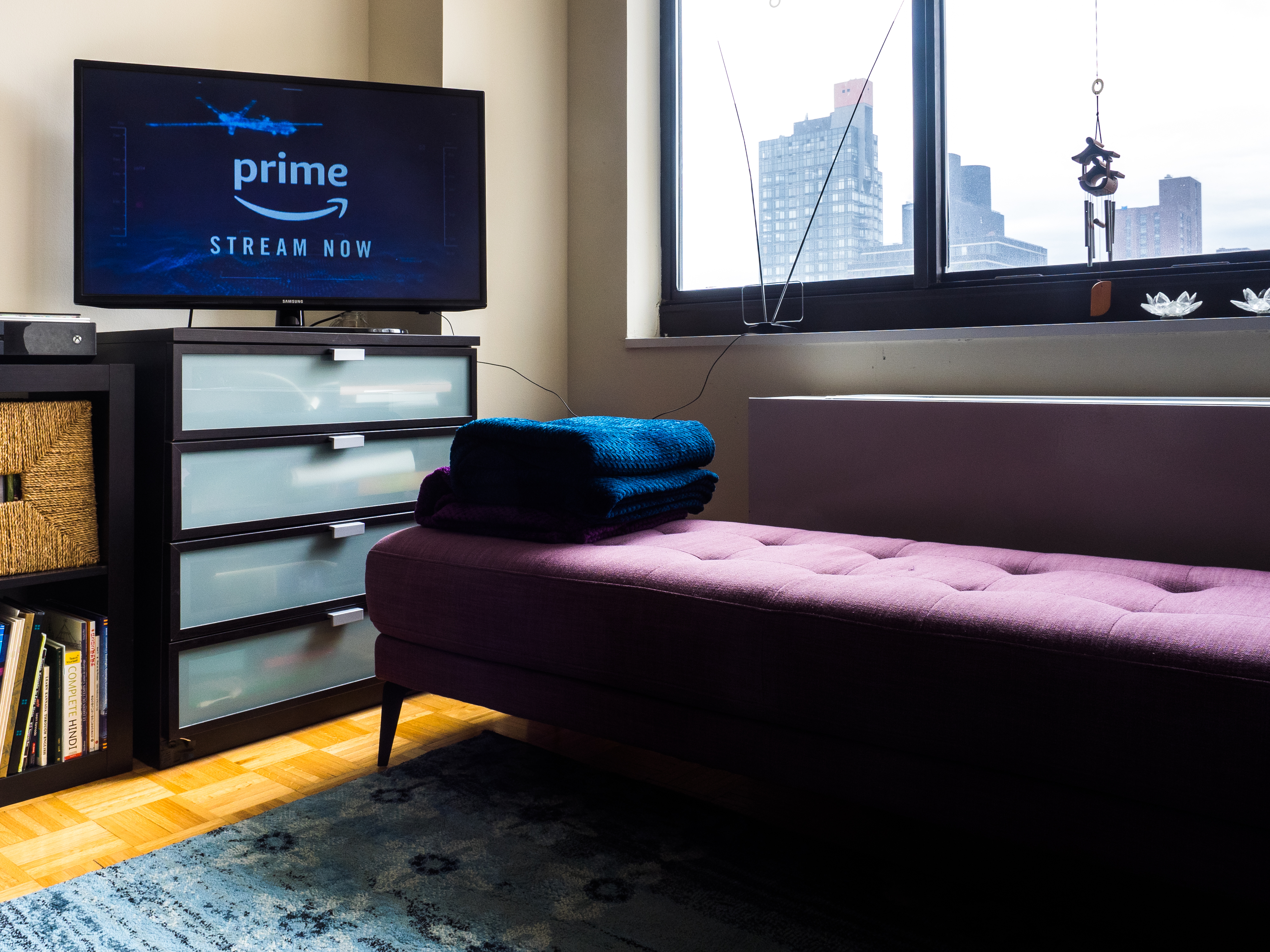
The anime anthology film 'Memories,' featuring a collection of science-fiction stories from various directors, is currently available for streaming on Prime Video [1, 2].
Bringing attention to the film allows a new generation of viewers to experience a work described as a forgotten masterpiece. This accessibility helps preserve the legacy of high-concept animation that often struggles to maintain visibility outside of niche festivals [2].
'Memories' utilizes a format that allows different filmmakers to explore disparate sci-fi themes within a single production. A Polygon editor said that a good anime anthology can stitch together the most disparate ideas into a cohesive whole [1]. The film's distribution has historically spanned various anime festivals and platforms in Japan before reaching global streaming audiences [2].
While 'Memories' is a focal point for current viewers, it follows a tradition of anthology filmmaking in the medium. For example, 'Robot Carnival' was released in 1987 [1]. These collections often serve as showcases for experimental techniques, and storytelling that do not fit the structure of a traditional feature-length narrative.
Industry observers note that the availability of such works is critical for the medium's history. One source cited by MSN said that many masterpieces survive simply through word of mouth, while others fail to maintain a legacy [2]. This vulnerability is particularly acute for older titles that were not digitized or distributed widely during their original runs.
Recent retrospectives have sought to curate these lost works, with one list identifying 10 forgotten masterpiece anime that fans should see [2]. The source said the number of masterpiece anime has dwindled in recent years, but their overall count still outnumbers what an average person can consume in their lifetime [2].
“A good anime anthology can stitch together the most disparate ideas into a cohesive whole.”
The migration of niche, historical anime like 'Memories' to major streaming platforms like Prime Video represents a shift in how archival animation is preserved. By moving from physical media and limited festival circuits to global digital distribution, these works transition from 'forgotten' status to accessible cultural assets, ensuring that experimental sci-fi storytelling continues to influence contemporary animators.