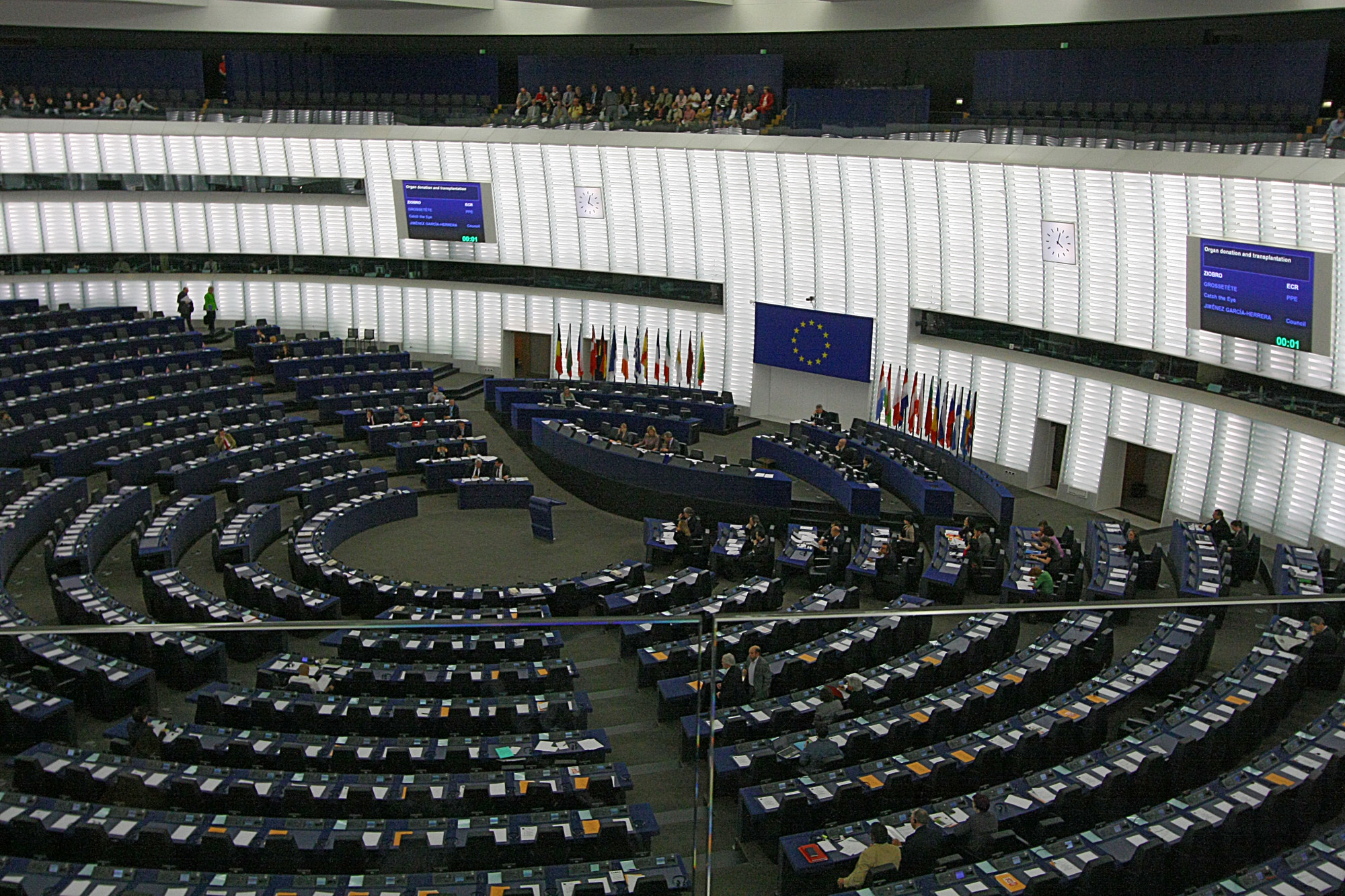
Members of the European Parliament met Wednesday to debate whether Brexit has made Europe stronger or weaker [1, 2].
The discussion serves as a critical assessment of the European Union's current trajectory and its relationship with the United Kingdom. By analyzing the fallout of the UK's departure, lawmakers aim to determine if the experience justifies a move toward deeper integration among remaining member states [1, 2].
The debate took place on The Ring, the European Parliament's broadcast studio [1, 2]. Participants focused on several key pillars of the post-Brexit era, including the impact on national sovereignty and the complexities of migration [1, 2].
Economic competitiveness was a central theme of the conversation. Lawmakers examined how the loss of a major economy altered the EU's global standing and whether the bloc has successfully adapted its trade strategies to compensate for the vacancy [1, 2].
Beyond economics, the MEPs addressed the role of democratic accountability and the spread of disinformation. The group discussed how the Brexit process highlighted vulnerabilities in democratic systems and the ways in which misleading information can influence high-stakes political outcomes [1, 2].
The session was designed to extract lessons from the UK's exit to inform future policy. By facing these issues head-on, the parliament seeks to identify whether the shock of Brexit acted as a catalyst for unity or a warning sign of fragmentation within the union [1, 2].
“Debate on the future of EU‑UK relations”
This debate reflects an ongoing internal struggle within the EU to balance national sovereignty with collective strength. By revisiting the impact of Brexit, the European Parliament is weighing the risks of further fragmentation against the potential stability of a more integrated union in an increasingly volatile global economic landscape.