
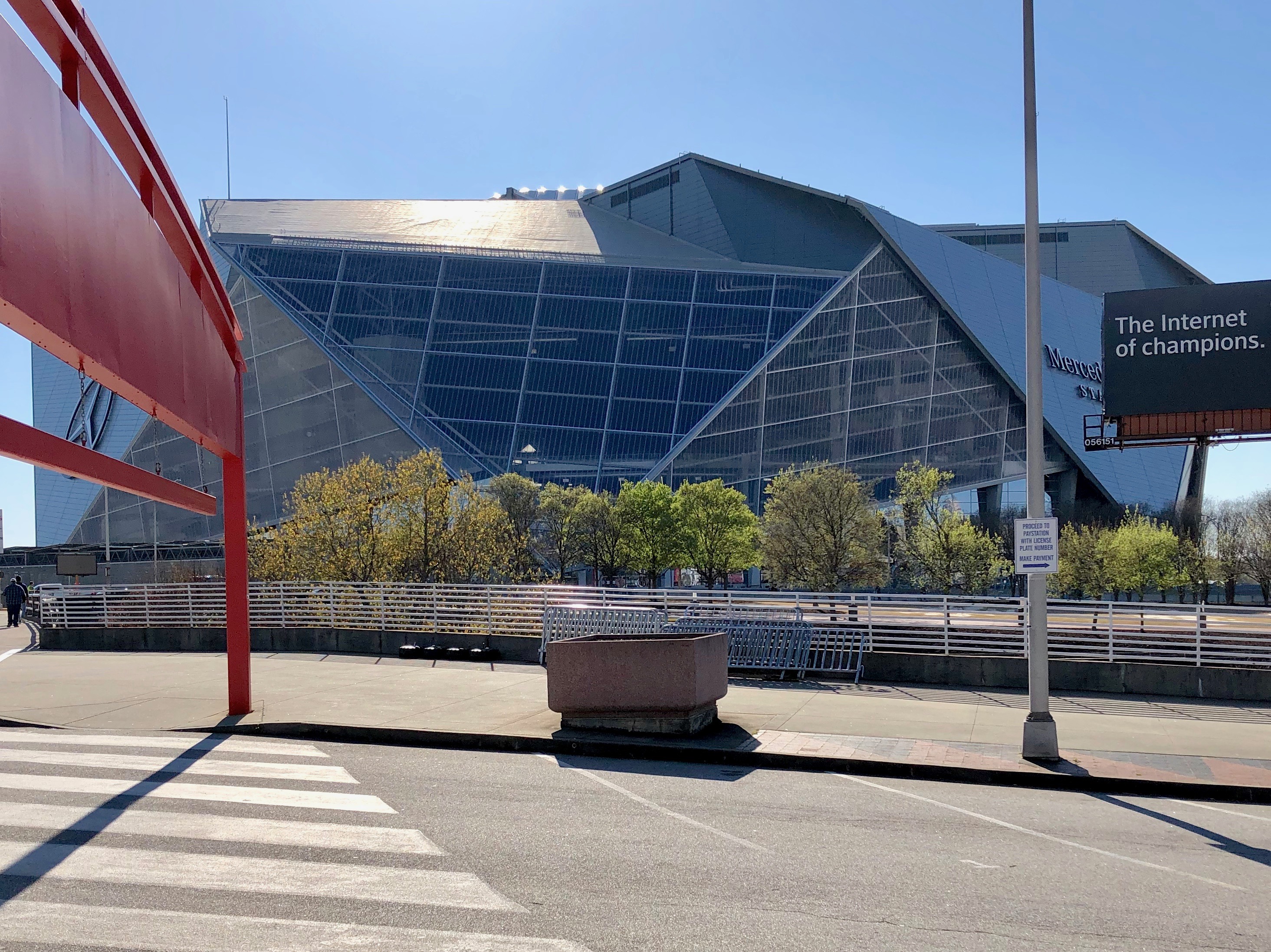
Mercedes-Benz Stadium in Atlanta is temporarily covering its corporate branding and renaming the venue for the 2026 FIFA World Cup [1].
The move highlights the strict control FIFA exerts over its tournament environments. By prohibiting non-FIFA sponsors from visible branding, the organization ensures its official partners maintain exclusive visibility during the global event [1, 2, 3].
Branding removal began in April 2026, more than six weeks before the tournament was scheduled to start in June [3]. The process involves covering the stadium's logos and altering the name of the facility to avoid violating sponsorship agreements [1, 3].
Atlanta is a key host city for the competition. Mercedes-Benz Stadium is scheduled to host eight matches [3]. Among these fixtures, the venue will hold two early matches featuring Spain [3].
This branding blackout is not unique to Atlanta. Other venues, including SoFi Stadium and MetLife Stadium, are implementing similar measures to satisfy the governing body's requirements [2]. The rules create a neutral commercial environment where only FIFA-approved brands are permitted to be seen by the millions of viewers watching globally [1, 2].
FIFA's sponsorship policies are designed to maximize the value of its official partnerships. Because the organization sells exclusive category rights to its sponsors, any competing corporate presence within the stadium's footprint is considered a breach of those contracts [1, 2].
“Mercedes-Benz Stadium in Atlanta is temporarily covering its corporate branding”
The temporary erasure of corporate identity at major U.S. stadiums underscores the tension between local naming rights and the global commercial mandates of FIFA. This practice ensures that the tournament's official sponsors face no competition for visibility, effectively prioritizing international sports governance over domestic real estate and branding contracts for the duration of the event.


