Celebrities and protesters called for a boycott of the 2026 Met Gala on Monday due to the involvement of Jeff Bezos and Lauren Sánchez Bezos [1].
The controversy highlights a growing tension between high-fashion philanthropy and public scrutiny of extreme wealth. Critics argue that the event's reliance on billionaire sponsorship contradicts the social values of some of its most prominent attendees.
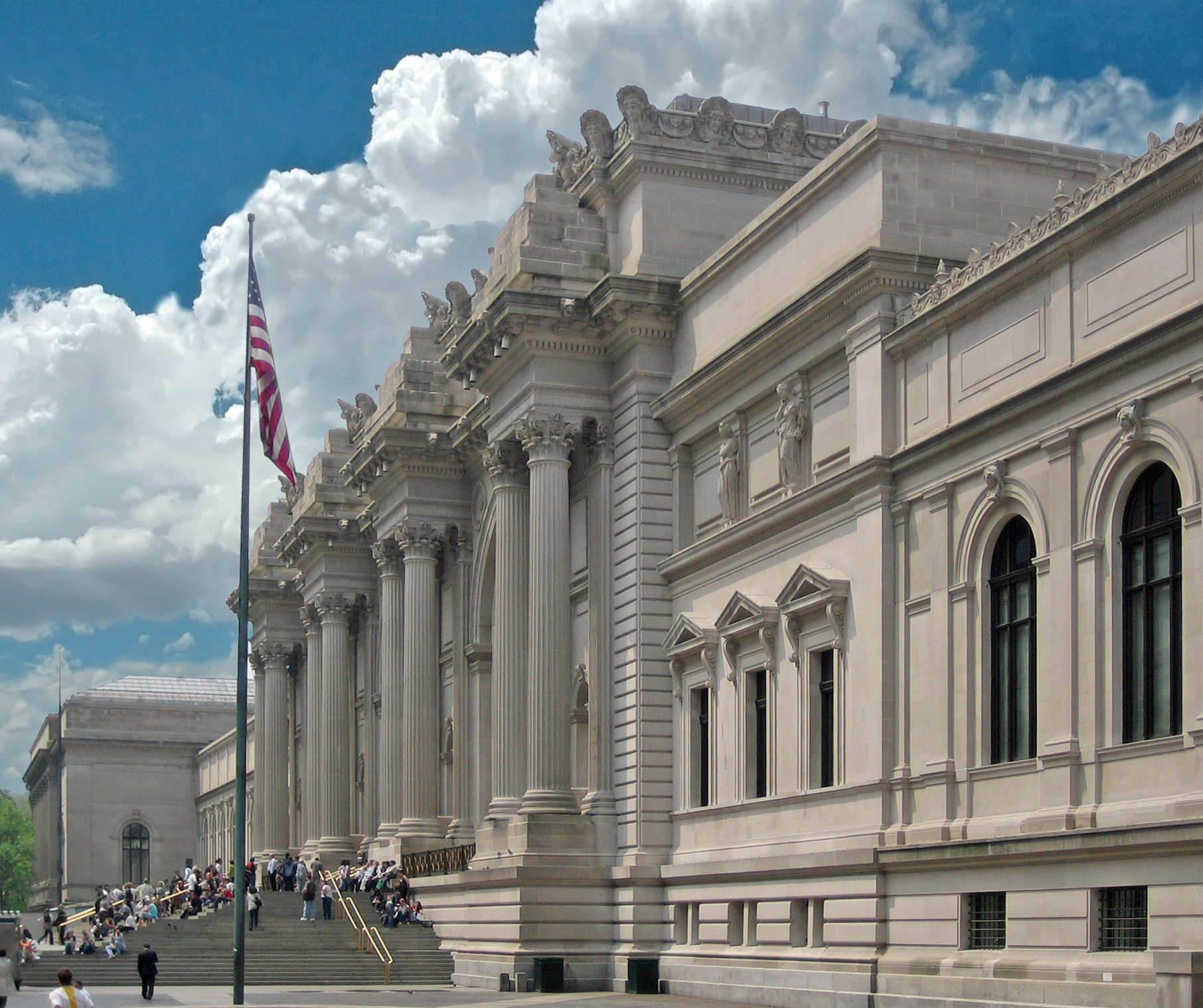
The Bezos couple served as honorary chairs and major sponsors for the event held at the Metropolitan Museum of Art’s Costume Institute in New York City [2]. Reports indicate the couple provided sponsorship totaling millions of dollars [3].
This financial partnership sparked backlash from activists and public figures. Critics said the sponsorship links the gala to wealth inequality and controversial Amazon business practices [4].
Some high-profile figures joined the boycott to protest the association. Bella Hadid is among the celebrities who opted out of the event [5].
The protests coincided with the night of the gala on May 4 [6]. Demonstrators gathered to voice opposition to the Bezos couple's role in the festivities, an event typically defined by its exclusivity and luxury.
While the gala continues to be a premier global fashion event, the presence of the Bezos couple as sponsors shifted the focus from couture to corporate ethics [1]. The backlash underscores the difficulty the museum faces in balancing the need for massive private donations with the political sensitivities of its guest list.
“The Bezos couple provided sponsorship totaling millions of dollars.”
The boycott reflects a shift in the 'celebrity-industrial complex,' where public figures are increasingly pressured to align their attendance at elite events with their public stances on labor and wealth distribution. By targeting the Met Gala's funding sources, protesters are attempting to leverage the event's visibility to critique the systemic influence of the world's wealthiest individuals on cultural institutions.