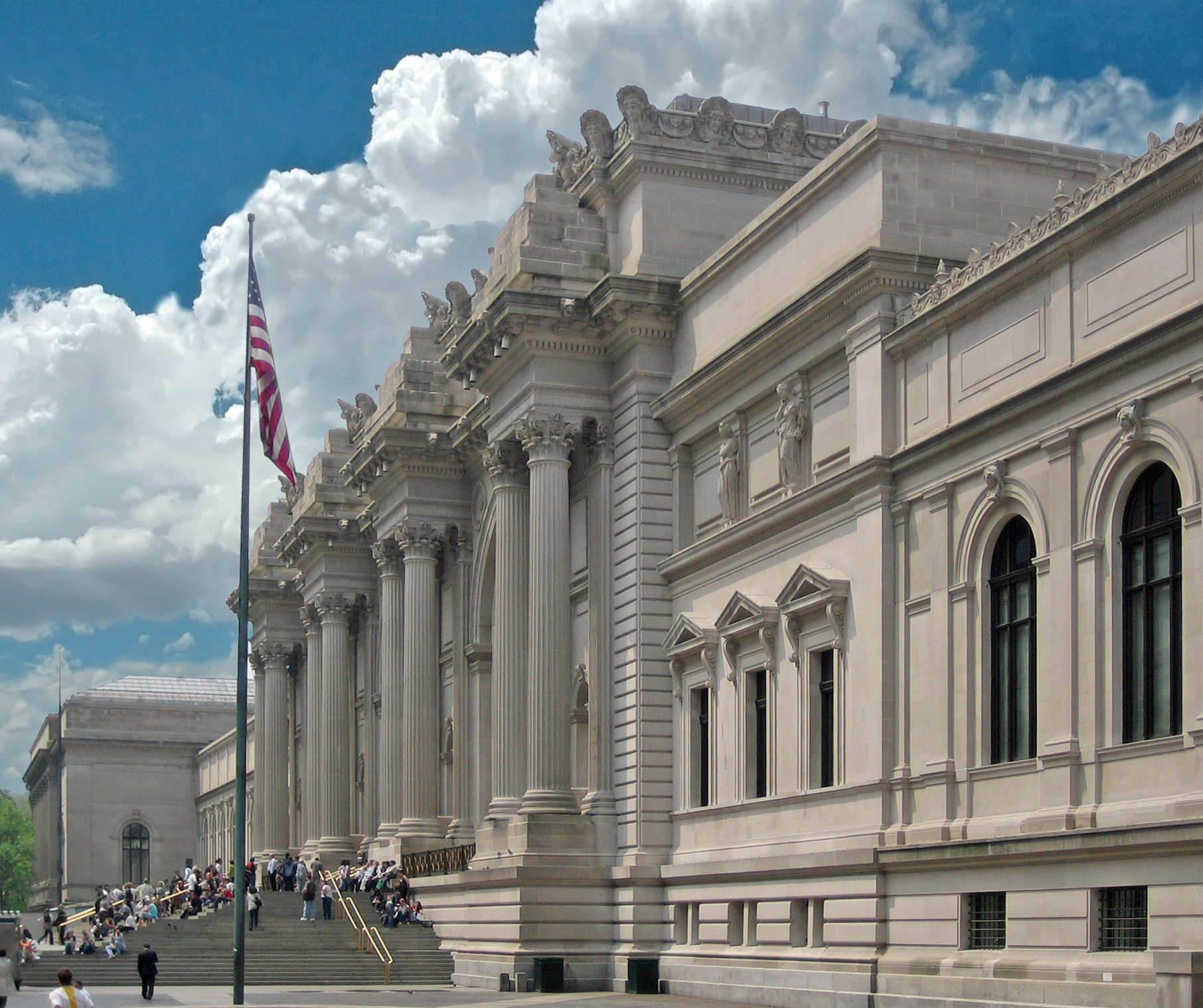
Protesters gathered at the Metropolitan Museum of Art on Monday night to object to Jeff Bezos’s sponsorship of the 2026 Met Gala [1].
The demonstrations highlight a growing tension between the high-fashion world and activists targeting extreme wealth inequality. By targeting one of the world's wealthiest individuals during a high-profile event, protesters aimed to bring global attention to labor practices and the concentration of capital.
The protests took place at the museum's Costume Institute in New York City. Activists cited concerns over Amazon’s labor practices and the broader issue of wealth inequality as the primary drivers for their dissent [2, 3].
Bezos served as one of the main sponsors for the event [4]. He was named an honorary chair for the evening alongside his wife, Lauren Sanchez Bezos [4].
Critics of the gala's attendee list pointed to the contrast between the luxury of the event and the struggles of the working class. Chris Kenny said, "The Met Gala has been on again, this is where the wealthy elite, often Liberal left elite, gather" [5].
The event, held in 2026 [1], continued to proceed despite the demonstrations outside the venue. The Metropolitan Museum of Art did not provide a specific response to the protesters' demands regarding labor practices, or sponsorship ethics.
“Activists objected to Bezos’s sponsorship, citing concerns over wealth inequality and Amazon’s labor practices.”
The intersection of corporate sponsorship and cultural institutions often creates a flashpoint for social activism. When billionaires like Jeff Bezos fund prestigious events, it transforms a fashion exhibition into a symbol of economic disparity, making the Met Gala a target for those seeking to challenge the influence of private wealth on public art and culture.


