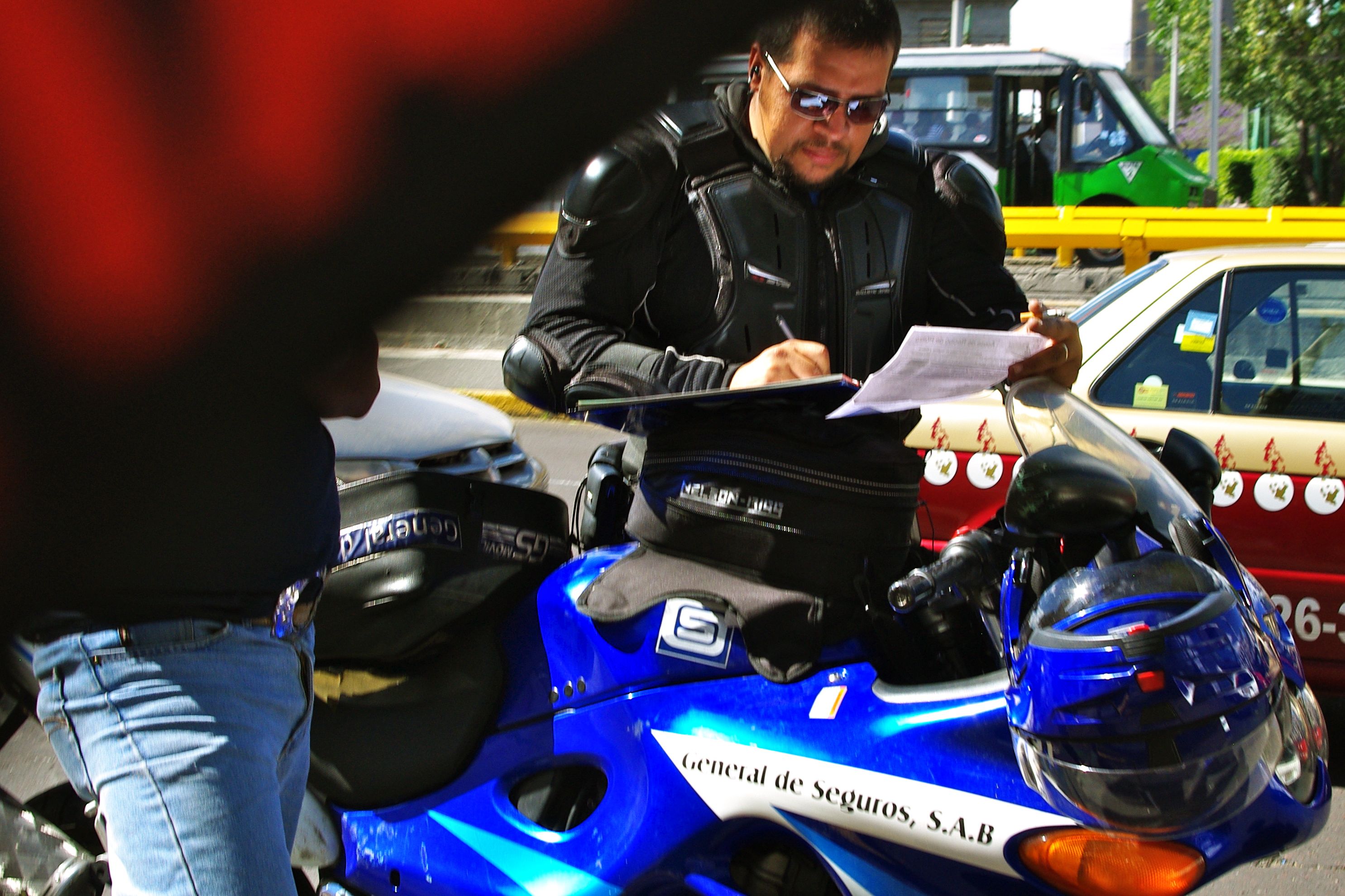
Informal parking attendants in Mexico City fled in panic following the arrival of a new traffic police force in the city [1].
This sudden displacement of the "franeleros" signals a shift in how the city manages its public spaces and curbside parking. For years, these informal workers have operated in a gray area of legality, often charging drivers for parking spots they do not own.
The arrival of the new traffic police disrupted the established informal economy of the streets. The franeleros, who provide informal road assistance and parking management, reacted with fear as the officers began their operations [1]. This movement suggests a crackdown on the unregulated control of public thoroughfares that has long characterized the capital's urban landscape.
Financial penalties are a primary driver of the tension. The new traffic police have established fines of 20 UMAs for violations [1]. The UMA, or Unit of Measure and Update, is the standard used in Mexico to determine the amount of payments and penalties.
Local authorities have not provided a detailed schedule for the rollout, but the immediate reaction of the informal workers indicates a high level of apprehension regarding the enforcement of these new regulations [1]. The presence of the officers marks a transition from a system of informal negotiation to one of state-mandated order.
While the franeleros have historically filled a gap in parking infrastructure, their presence often creates friction with motorists, and city planners. The deployment of the new force aims to reclaim these spaces for the public and ensure that traffic laws are applied uniformly across the city [1].
“Informal parking attendants in Mexico City fled in panic following the arrival of a new traffic police force”
The clash between the new traffic police and the franeleros represents a broader effort by Mexico City to formalize its urban management. By introducing standardized fines and a dedicated police presence, the city is attempting to dismantle a long-standing informal power structure that has controlled street parking, potentially improving traffic flow but displacing a vulnerable workforce.


