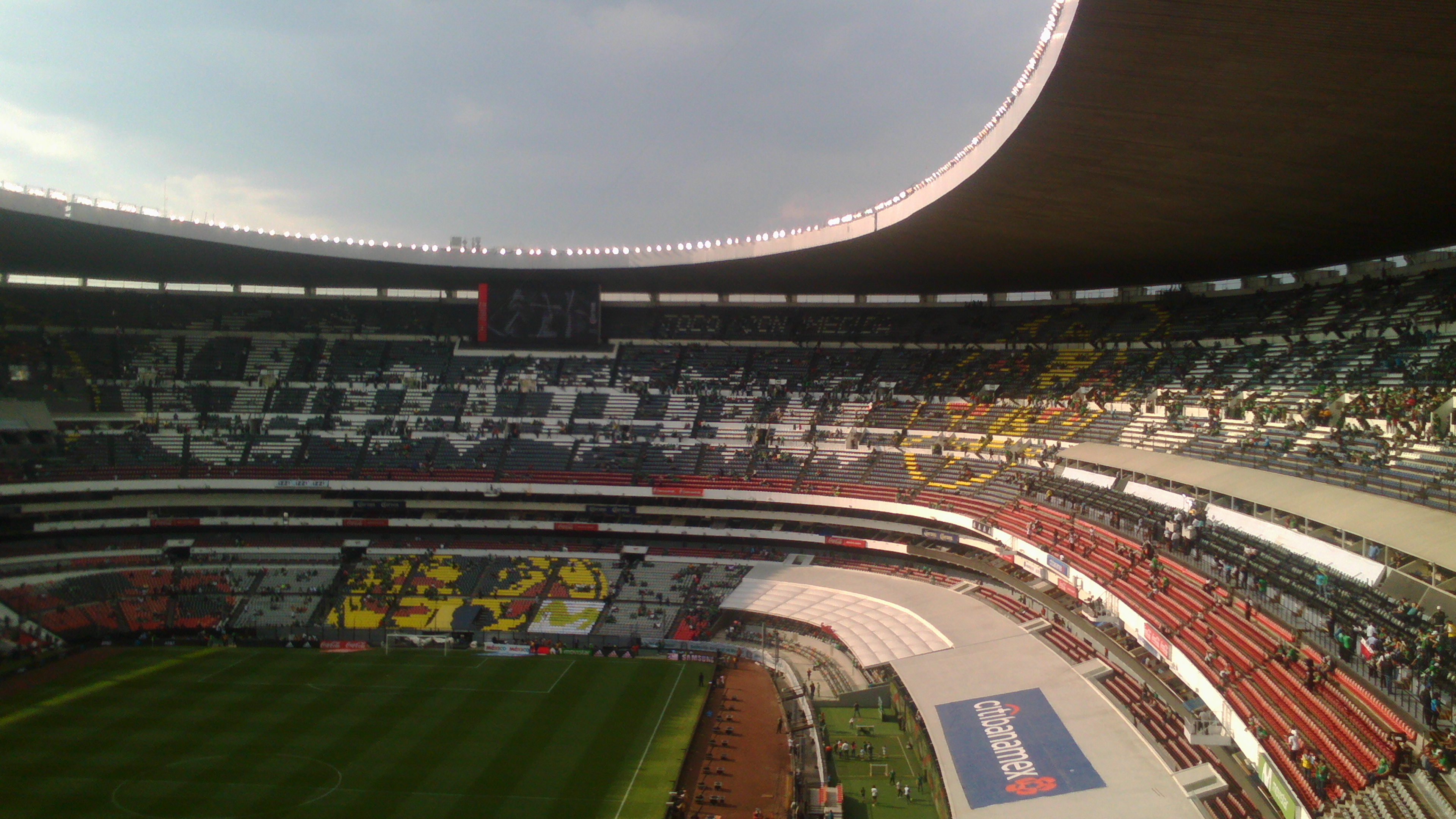
Mexico City has launched a comprehensive mobility and electric transport operation for events at the Estadio Ciudad de México during the 2026 World Cup.
The plan aims to prevent traffic congestion and ensure the fluid movement of thousands of fans. With the city hosting high-profile international matches, the infrastructure must handle unprecedented surges in population density to maintain public safety and urban functionality.
Mayor Clara Brugada said the initiative will manage the flow of visitors to the venue, formerly known as Estadio Azteca [1, 2]. The operation includes the deployment of electric transport options to reduce the environmental impact and traffic bottlenecks associated with the tournament [2].
Security is a primary pillar of the strategy. Local authorities have deployed 56,000 police officers to manage security and mobility across the city, including fan zones, and major tourist areas [3]. This massive deployment is intended to secure the perimeter of the stadium and ensure the safety of international visitors.
Recent data underscores the necessity of these measures. A record attendance of 80,824 spectators was recently documented at the Estadio Ciudad de México [4]. To address this level of demand, the current mobility operation is designed to move 50,000 people via public transportation [4].
The operational rollout began this month to align with the start of the FIFA World Cup 2026 matches [1, 5]. The city is focusing on a multi-modal approach, integrating specialized mobility cards and electric fleets to streamline the journey for fans traveling from various points of the metropolis [5].
“The operation includes the deployment of electric transport options to reduce the environmental impact.”
The scale of this operation reflects the logistical challenges of hosting a global event in one of the world's most congested cities. By combining a massive security presence with a shift toward electric public transit, Mexico City is attempting to mitigate the systemic risk of gridlock while updating its urban transport image on a global stage.

