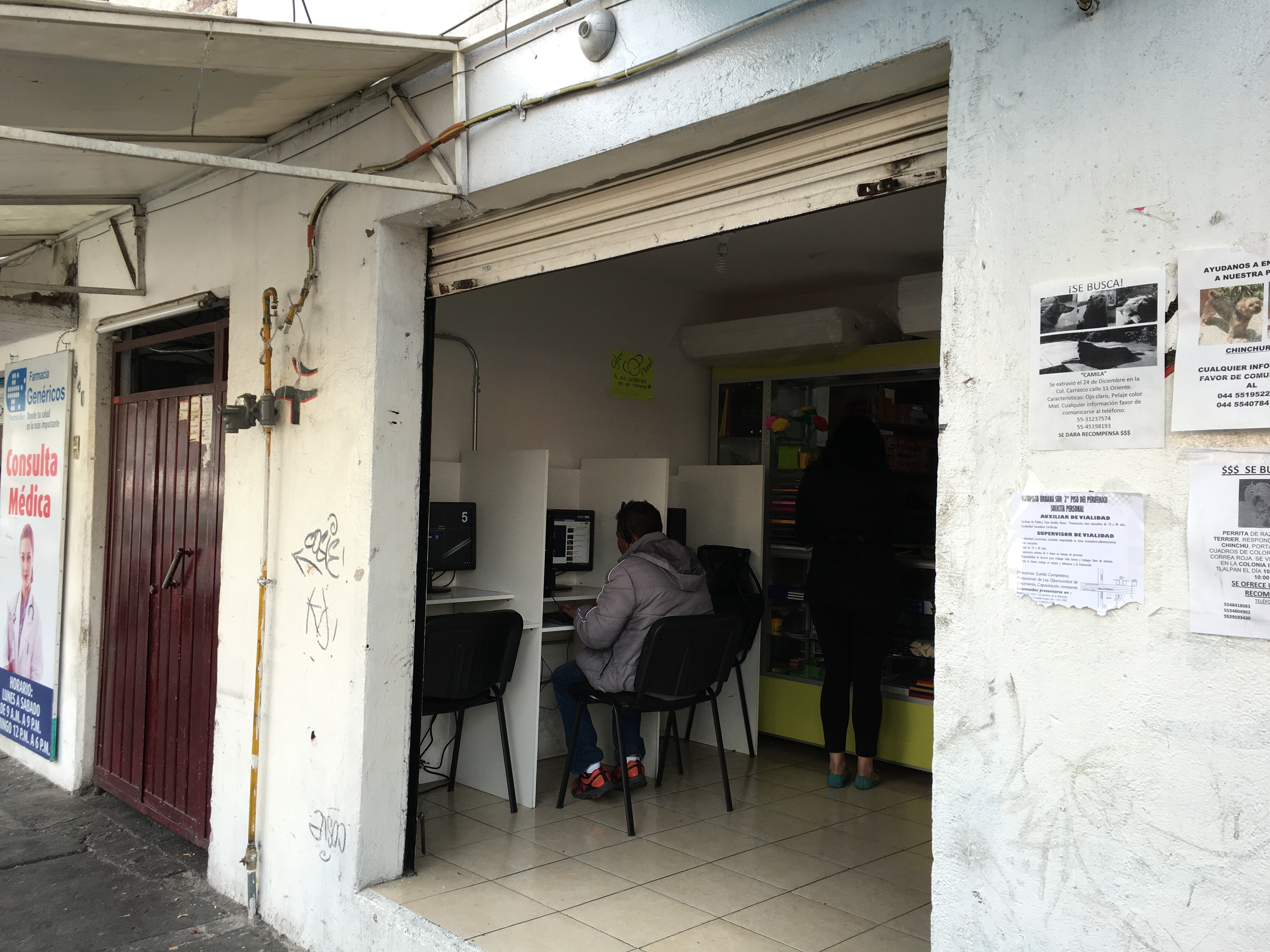
Internet usage in Mexico reached a record 86.1% in 2025 [1].
This surge in connectivity reflects a broader digital transformation across the country. While the overall percentage is rising, the uneven distribution of access creates a divide in economic and educational opportunities for millions of citizens.
The record figure highlights a steady climb in digital adoption [1]. However, the data reveals that this growth is not uniform across the Mexican landscape. Significant disparities persist between urban centers and rural communities, a gap that complicates national efforts to digitize public services.
State-by-state analysis further illustrates these imbalances [1]. Some regions have achieved near-universal access, while others lag behind due to infrastructure limitations and geographic challenges. The rural-urban divide remains a primary obstacle to achieving total connectivity across all demographics.
Efforts to bridge this gap involve expanding broadband reach to remote areas. Without targeted investment in these underserved zones, the digital divide may deepen despite the record-breaking national average [1].
“Internet usage in Mexico reached a record 86.1% in 2025”
The record level of internet penetration suggests that Mexico is nearing a saturation point in urban markets. The focus for policymakers must now shift from general expansion to targeted infrastructure projects in rural states to ensure that the 13.9% of the population without access is not permanently marginalized in an increasingly digital economy.


